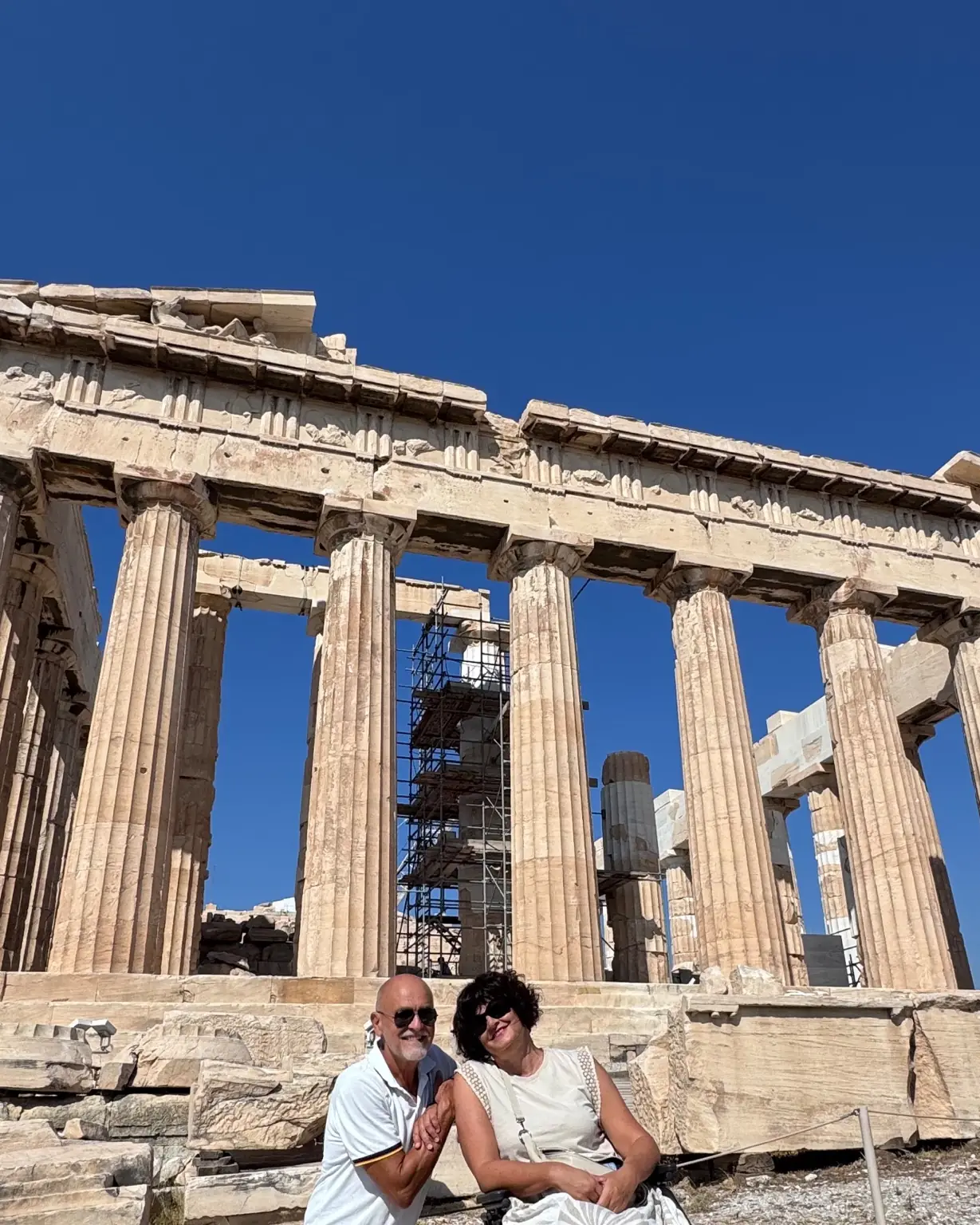
The summer of 2025 was my first summer in a wheelchair. I felt a little lost and, at the thought of setting off on this cruise, I was very worried. I wanted to see all those places, but I struggled to imagine how I would manage once I got off the ship. Back then I didn’t have the Triride yet. I made this trip with my manual wheelchair and with the help of my husband, Gabriele, on the most demanding stretches.
At that time I wasn’t yet thinking of starting Travelling on my wheels. That’s why the story I’m adding today to the Big trips is a little different from the others. While I was studying the stops, I was looking for answers to the questions that mattered most to me. At Katakolon, would I be able to get off the ship to visit Olympia? In Athens I knew there was a lift up to the Acropolis, but how would I get to its door? In Istanbul, would I be able to go into the mosques? And in Corfu, would I manage to swim in the sea?
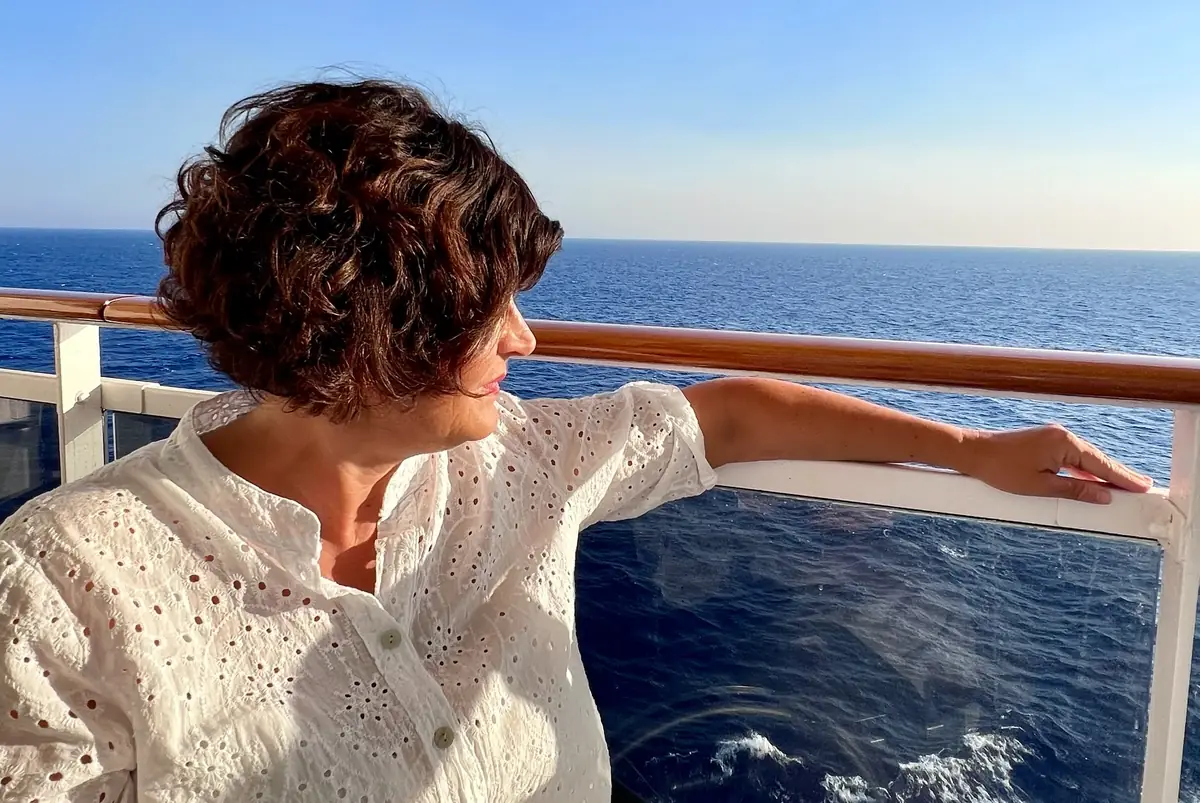
The cruise itinerary
| Date | Stop | Scheduled times |
|---|---|---|
| Monday 18 August | Trieste · Embarkation | Departure at 19:00 |
| Tuesday 19 August | At sea | All day |
| Wednesday 20 August | Katakolon · Olympia | 07:00–15:00 |
| Thursday 21 August | Piraeus · Athens | 08:00–18:00 |
| Friday 22 August | Kuşadası · Ephesus | 07:00–15:00 |
| Saturday 23 August | Istanbul | 10:00–23:00 |
| Sunday 24 August | At sea | All day |
| Monday 25 August | Corfu | 13:00–21:00 |
| Tuesday 26 August | Bari | 07:00–14:00 |
| Wednesday 27 August | Trieste · Disembarkation | Arrival at 09:00 |
18 and 19 AugustFrom Trieste towards Greece
We left Trieste on the evening of Monday 18 August. Ahead of us was a whole day sailing down the Adriatic before reaching Greece. Our first destination was Olympia, but to prepare for that visit I had had to pay attention to four words written in the programme, right next to the name of the port.
Wednesday 20 AugustKatakolon and Olympia
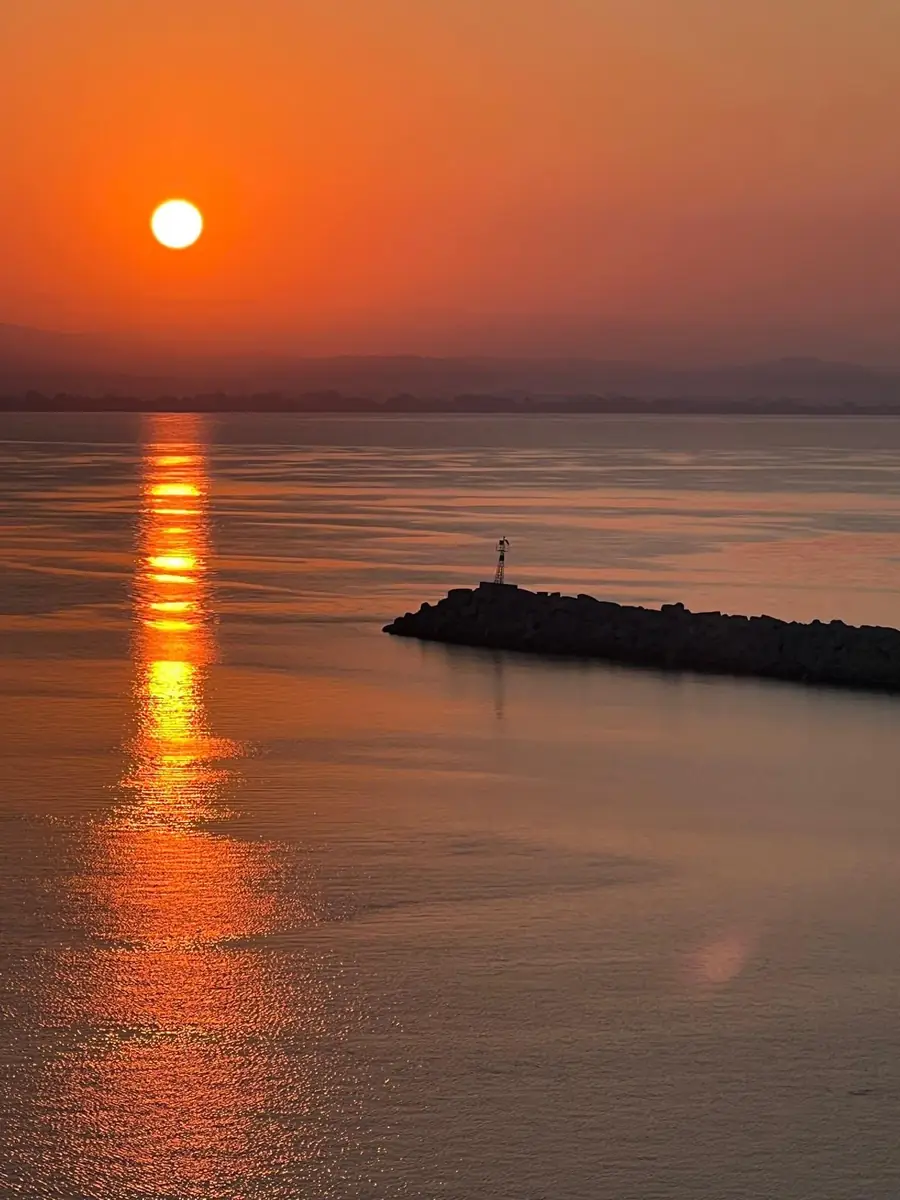
For the call at Katakolon, the programme said “alongside or at anchor”. For me, whether I could visit Olympia depended on those four words.
When the ship docks alongside, you go ashore along the gangway. When instead it stays at anchor offshore, to reach the port you have to board a small boat that MSC calls a tender. The company states that the crew cannot carry wheelchairs onto the tender or personally help passengers get on or off the boat. For anyone who, like me, has to stay in their own wheelchair, going ashore by tender is not possible.
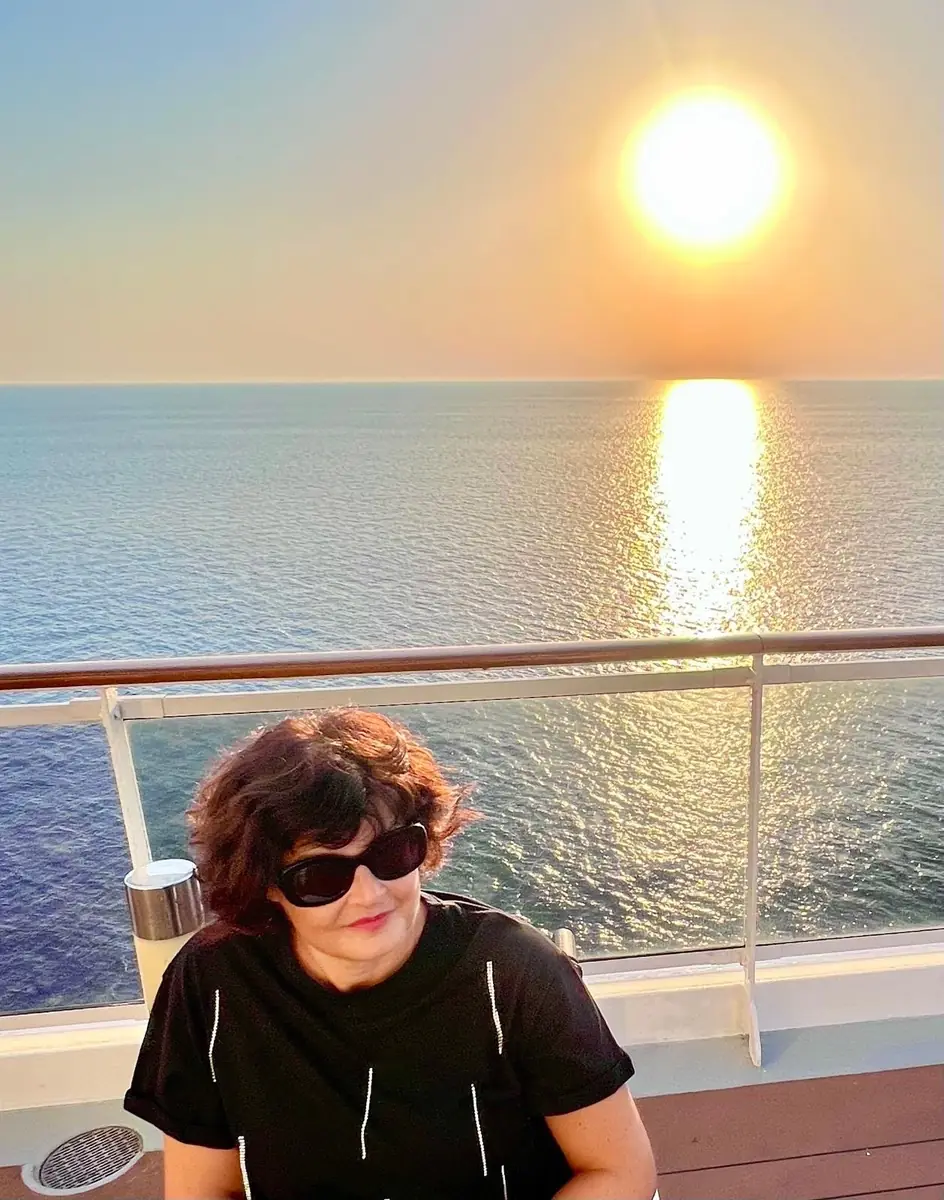
Before leaving we couldn’t know whether there would be a berth for us at Katakolon. We would only find out while at sea and I, thinking of Olympia, had almost resigned myself to staying on board. That Wednesday, however, the ship was able to dock and I went ashore too. A few hours later I was at Olympia, on my wheels, among the ruins of the sanctuary where the ancient Olympic Games were held.
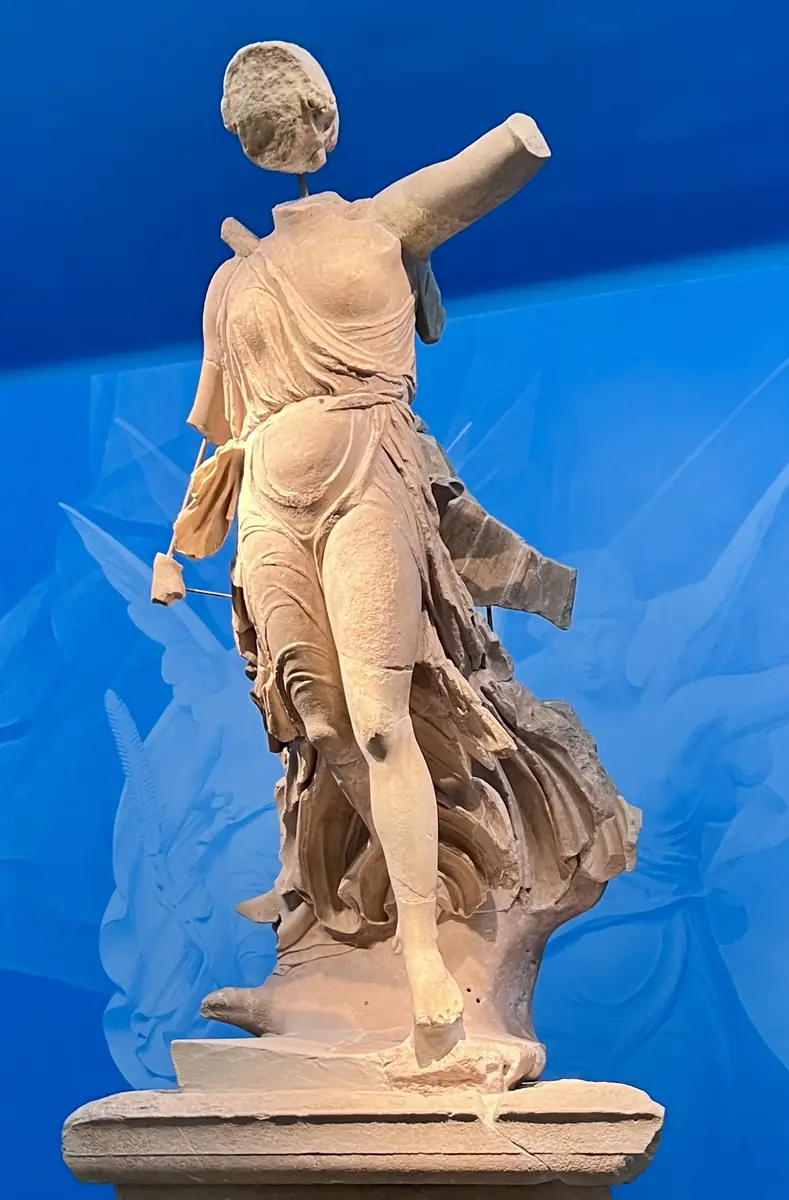
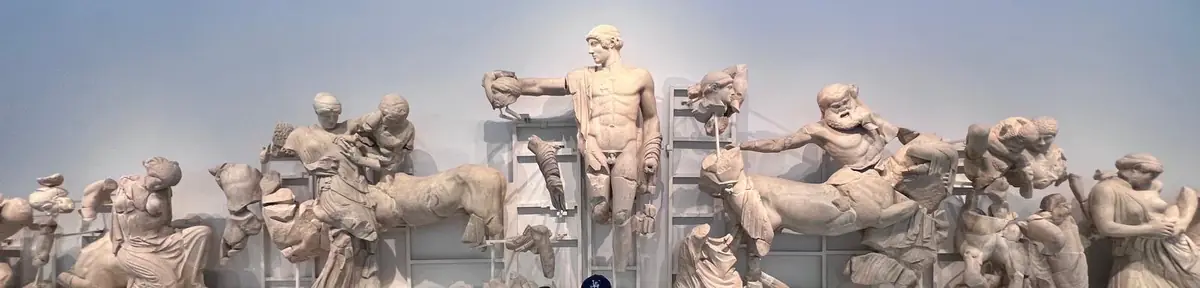
The path at the entrance to the archaeological site is mostly flat, with stretches of fine gravel and a few places where the surface is uneven. To get over those stretches I needed the help of my husband Gabriele. There are also accessible toilets within the site. The Archaeological Museum of Olympia has an access ramp, and inside the spaces are large and level.
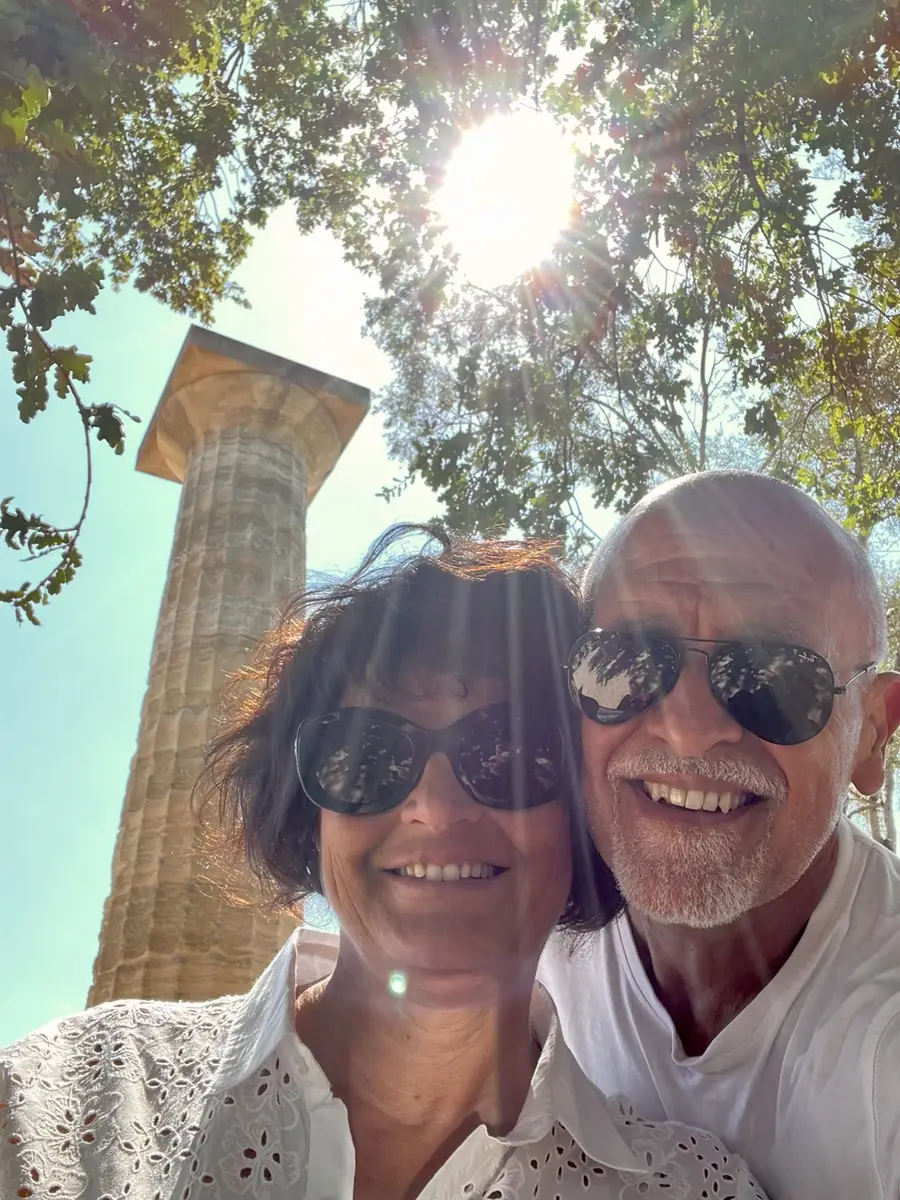
Thursday 21 AugustFrom Piraeus to the Acropolis of Athens
The next day we arrived at Piraeus, from where we went on to Athens. About the Acropolis, I especially want to tell you about the stretch before the lift, because that was the part I found hardest to imagine from home.
To reach the golf cart I had to go up a slope in my wheelchair over rather uneven stone paving. The slabs were of different sizes and in places left wide gaps between them. With my manual wheelchair, Gabriele’s help was essential to get along that stretch.
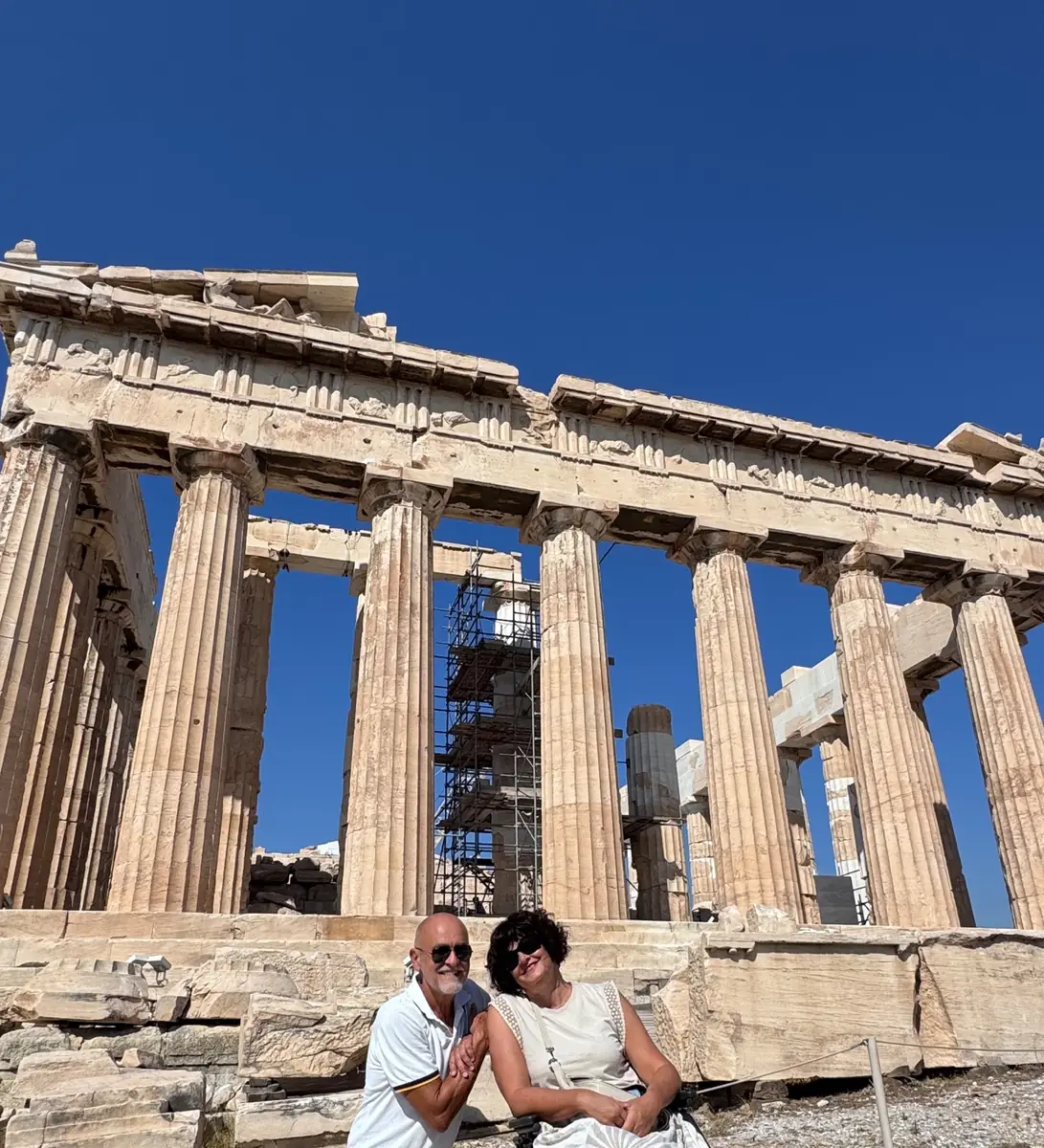
Once we reached the golf cart, a member of staff took us to the panoramic lift, made entirely of glass. As the car went up I could look out and see Athens from above. I had spent so much time trying to work out how to get to that door. Then the door closed, the car moved and I realised I was really going up to the Acropolis in my wheelchair.
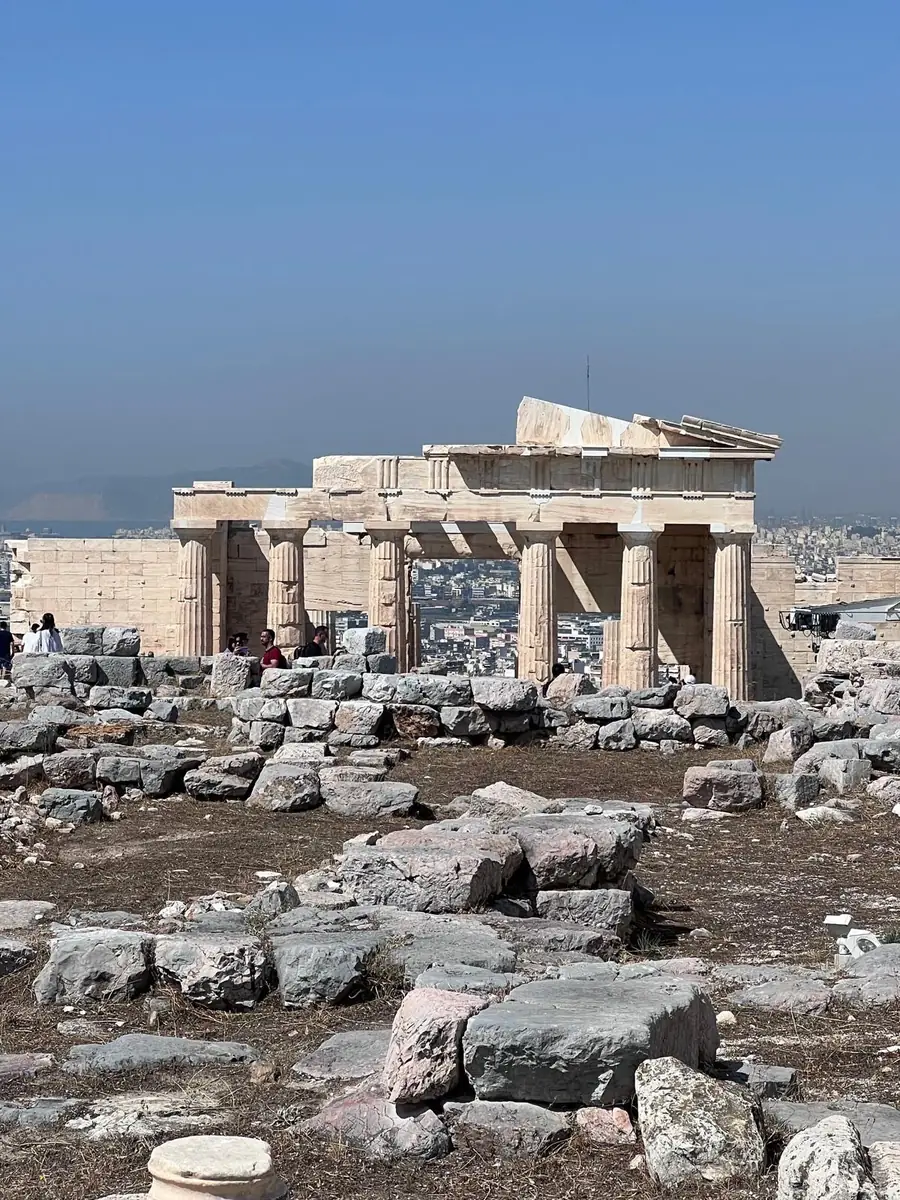
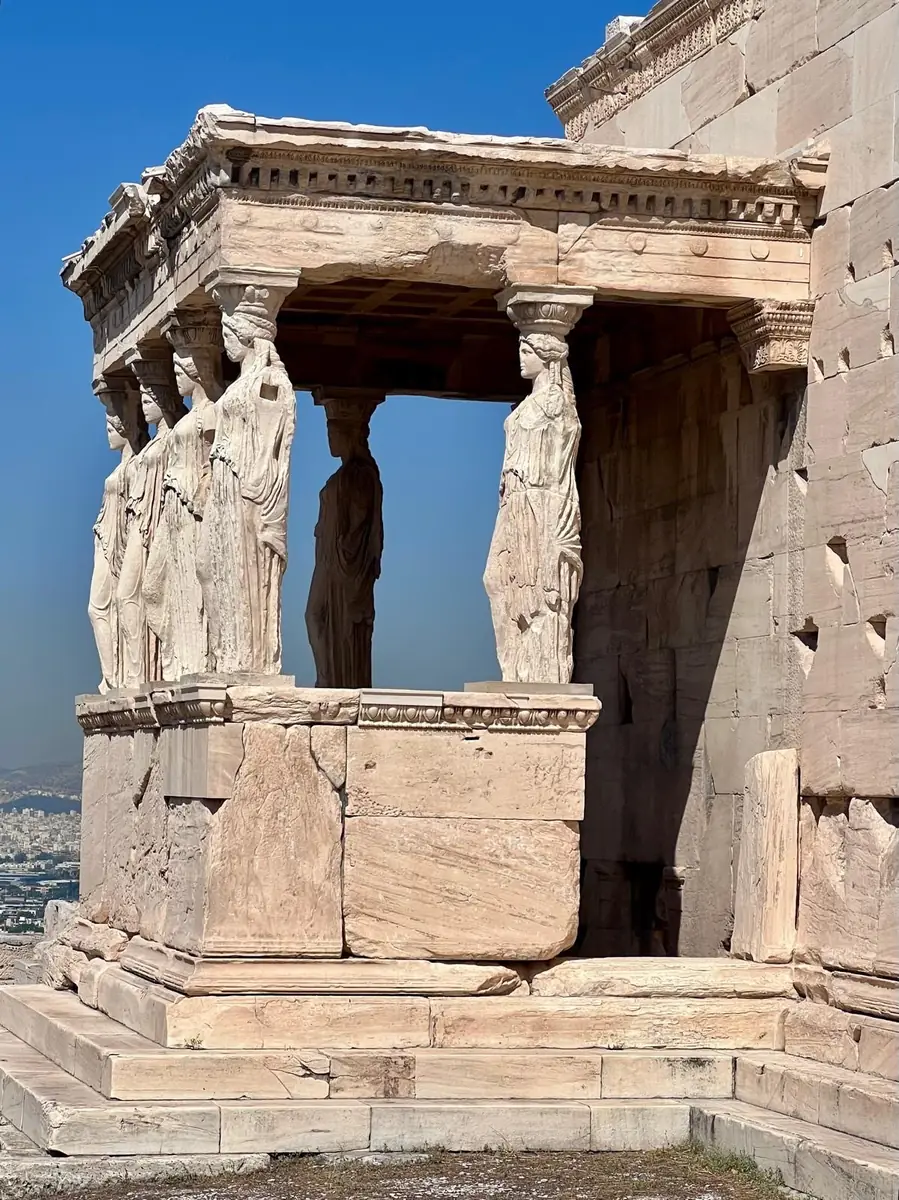
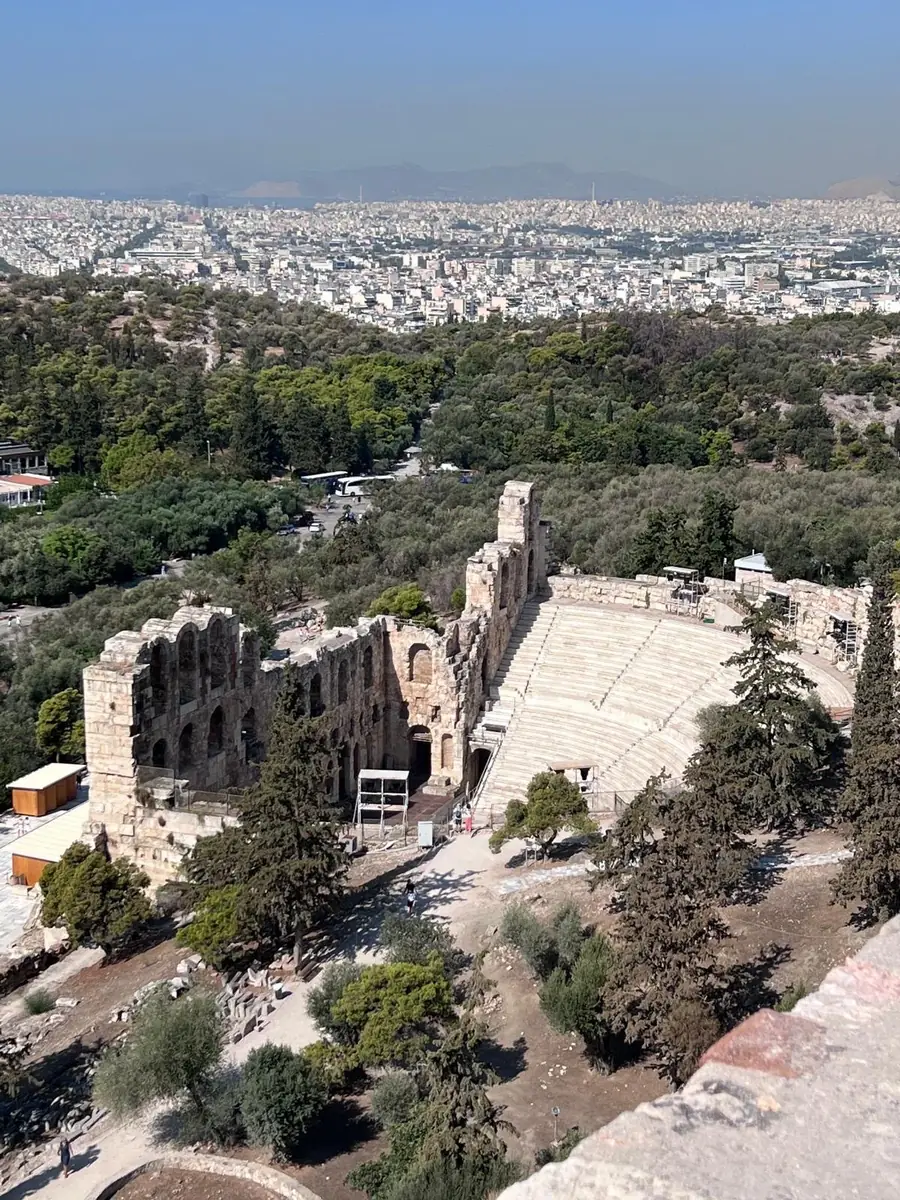
Once we came down from the Acropolis, we still had a little time for a walk around the centre of Athens. To get to the Parliament we took a taxi and, once there, we stopped to watch the changing of the guard.
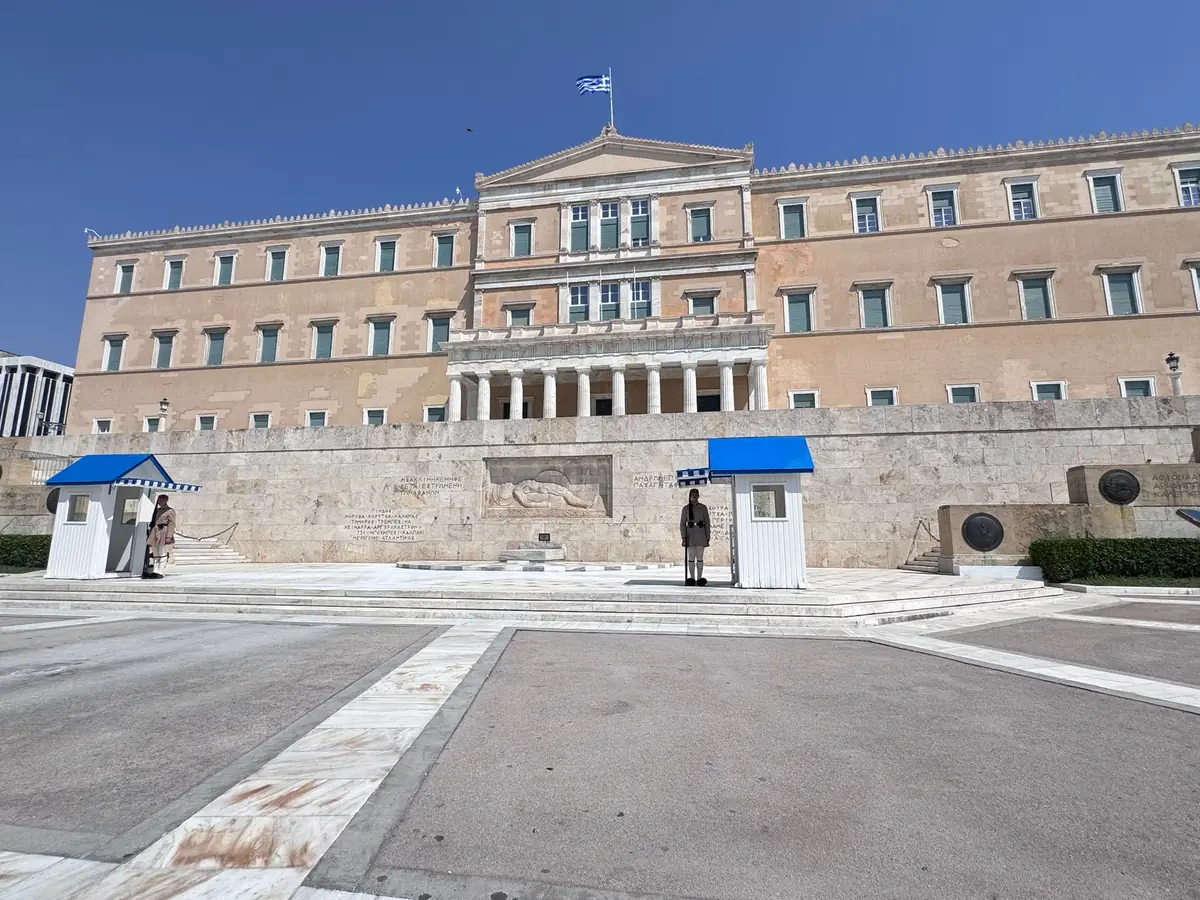
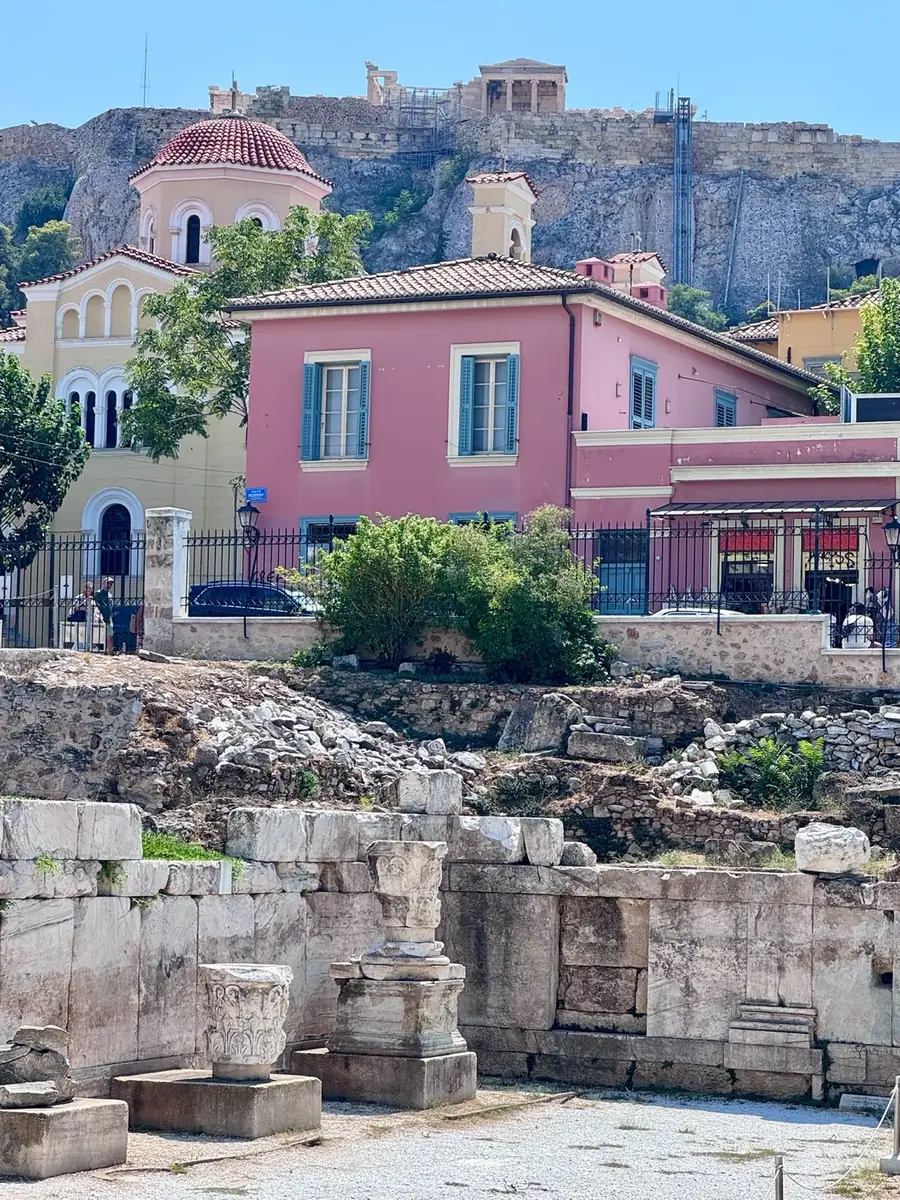
In the centre we found some uneven streets, which I struggled to get along in my wheelchair. Finding an accessible toilet also took some searching. In the end we found one at Starbucks Coffee, before heading back to the port.
Friday 22 AugustKuşadası and Ephesus
To visit Ephesus we had booked a guided tour. Our guide picked us up directly at the port of Kuşadası and together we went to the archaeological site.
At the entrance to the archaeological site there are wheelchair-accessible toilets. I used one during the visit.
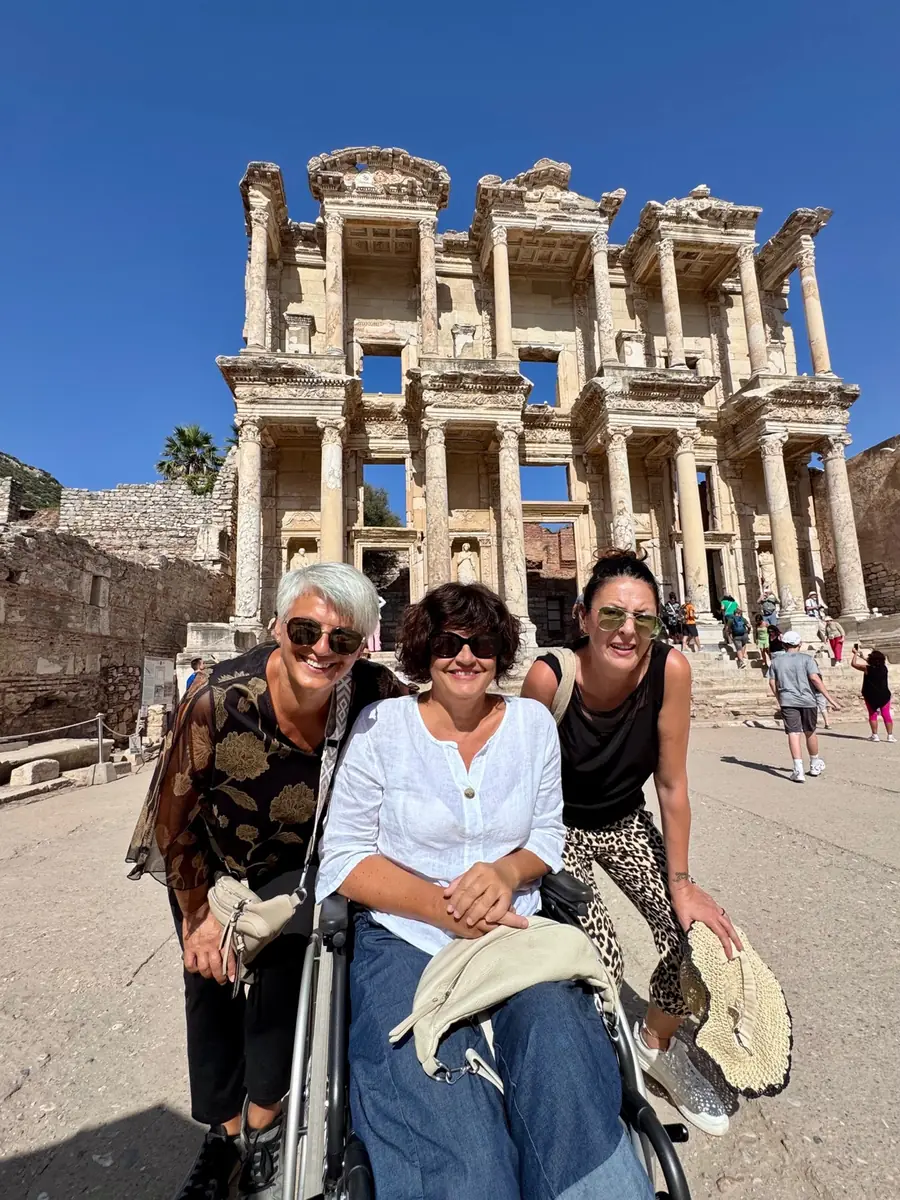
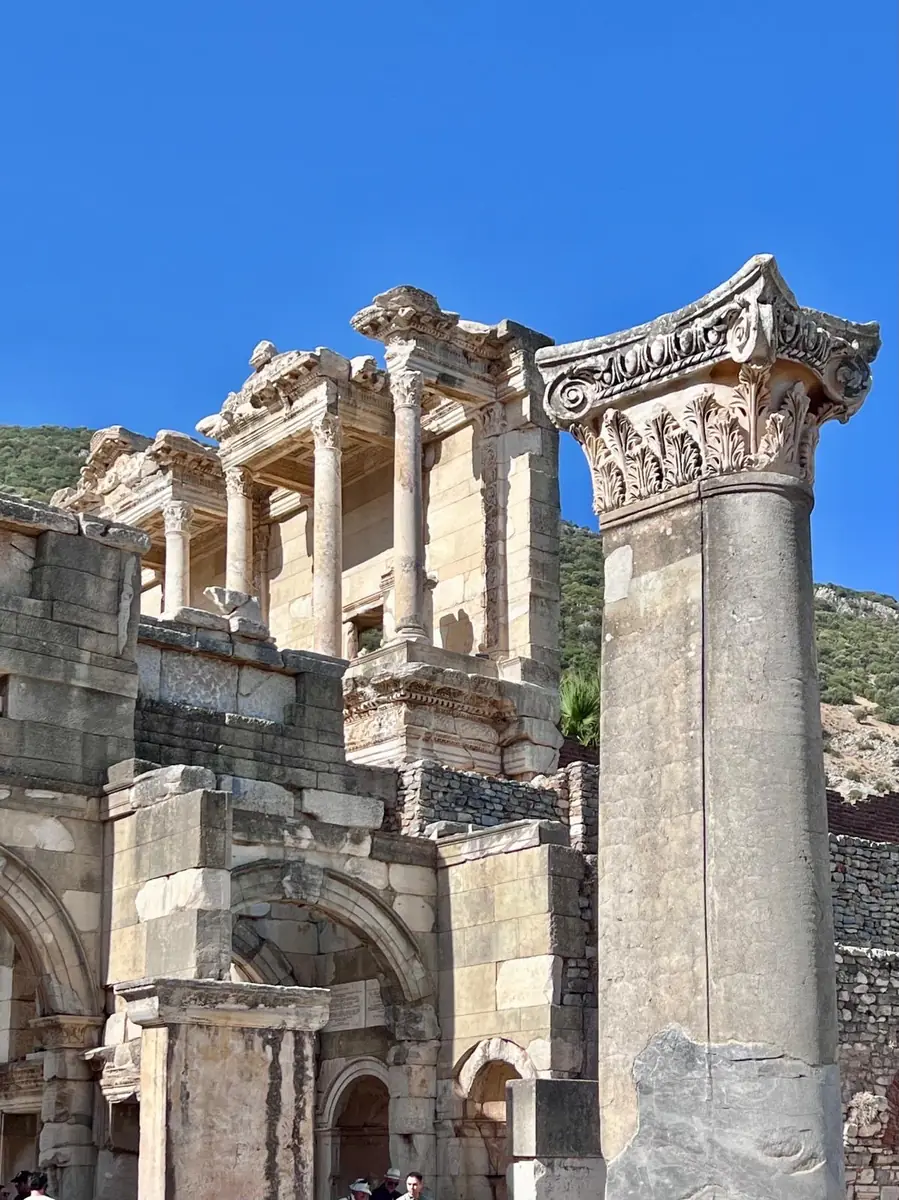
The ground was a little uneven and in some places I needed a hand to keep going. With that help I managed to get right under the façade of the Library of Celsus. That’s how I remember it, from my wheelchair: I was right at its feet and, to follow the columns to the top, I had to look up.
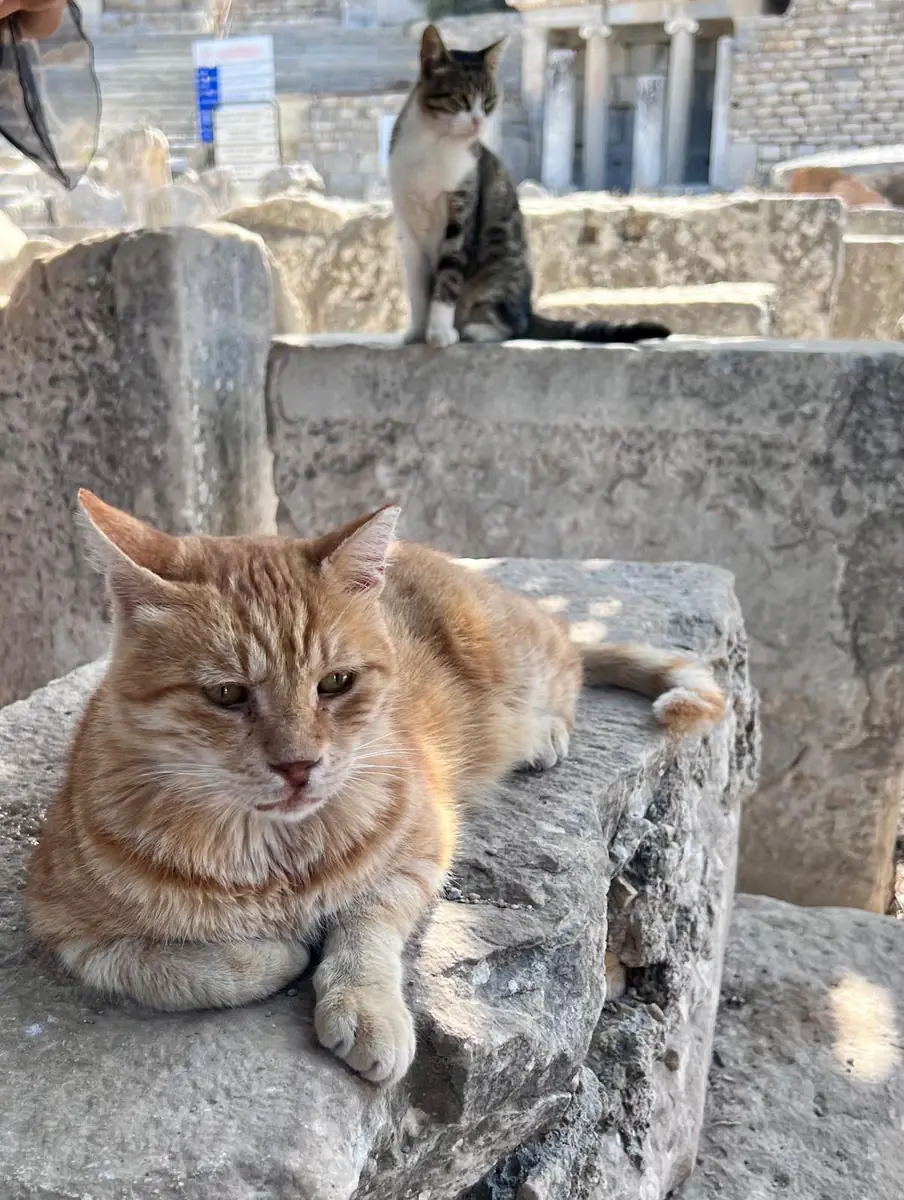
Among the ruins of Ephesus we photographed a ginger cat, lying on a block of stone with one paw over the edge. Behind it sat another cat, white and tabby. Right here, near the Great Theatre, Garfield of Ephesus became famous: a ginger tabby nicknamed after the comic-strip cat because he looked so much like him.
In 2024 the journalist Steve MacNaull found him stretched out on a fragment of a column. His guide told him that Garfield was happy to let people come close and that some of the excavation workers had grown fond of him. One of them had even opened the Instagram profile @garfield_of_ephesus, where visitors could share photos of their encounters with him. Who knows whether the cat we met was Garfield himself!
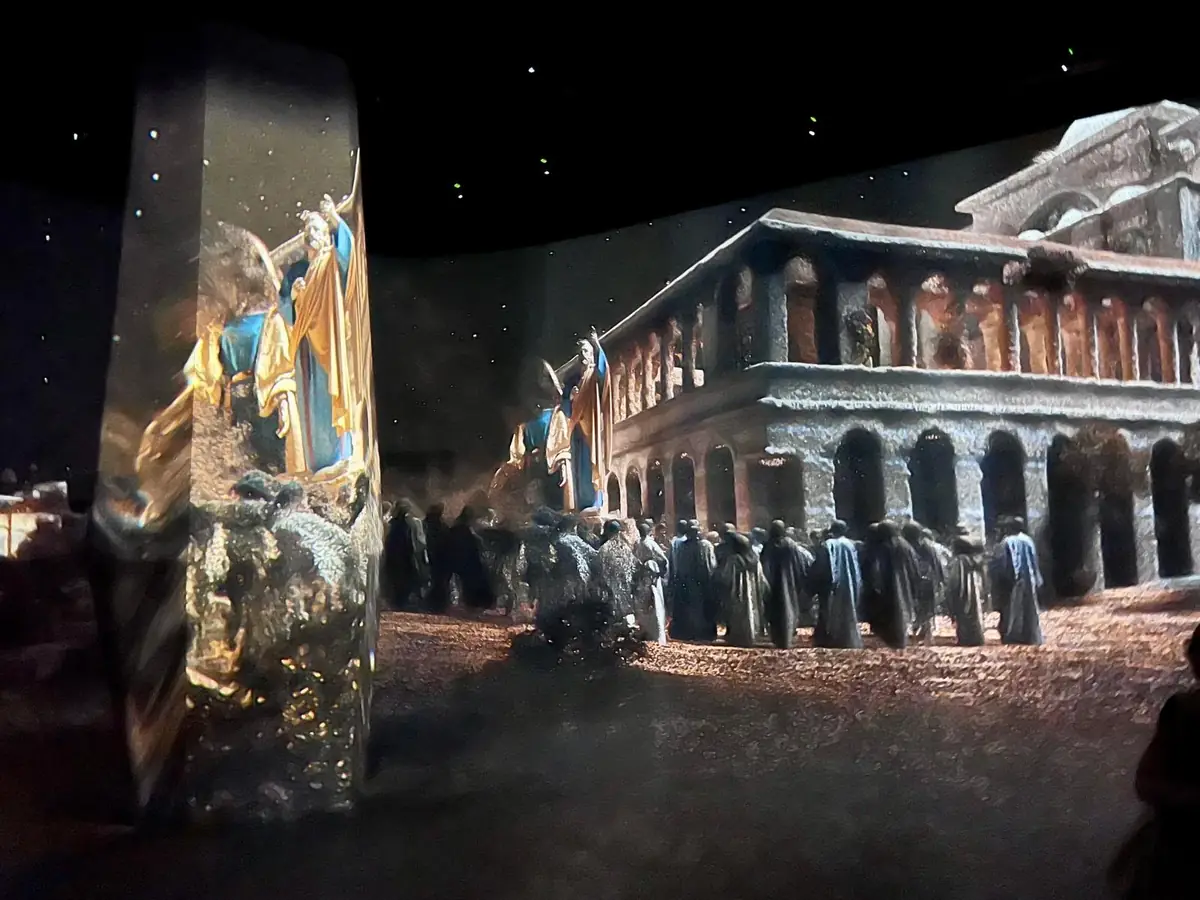
Inside the site we also visited the Ephesus Experience Museum, which tells the story of Ephesus through images and sounds. You go through three rooms with 360-degree projections. All around you, the streets, houses and shops of the ancient city reappear. You walk along the Arcadian Way and see what the Temple of Artemis looked like. I liked putting the two parts of the visit together. Outside I had travelled the streets of the site on my wheels; inside I could imagine those same streets when the shops were open and people walked through them every day.
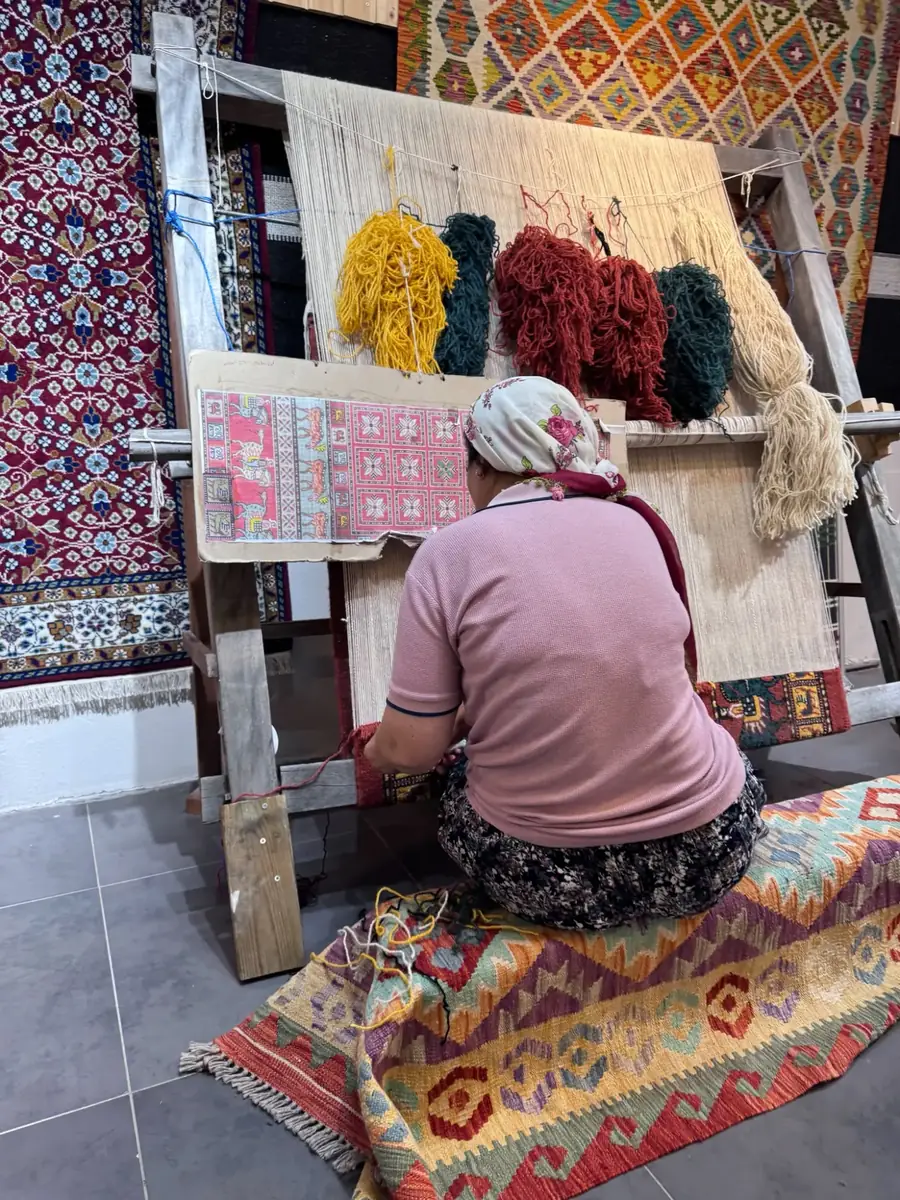
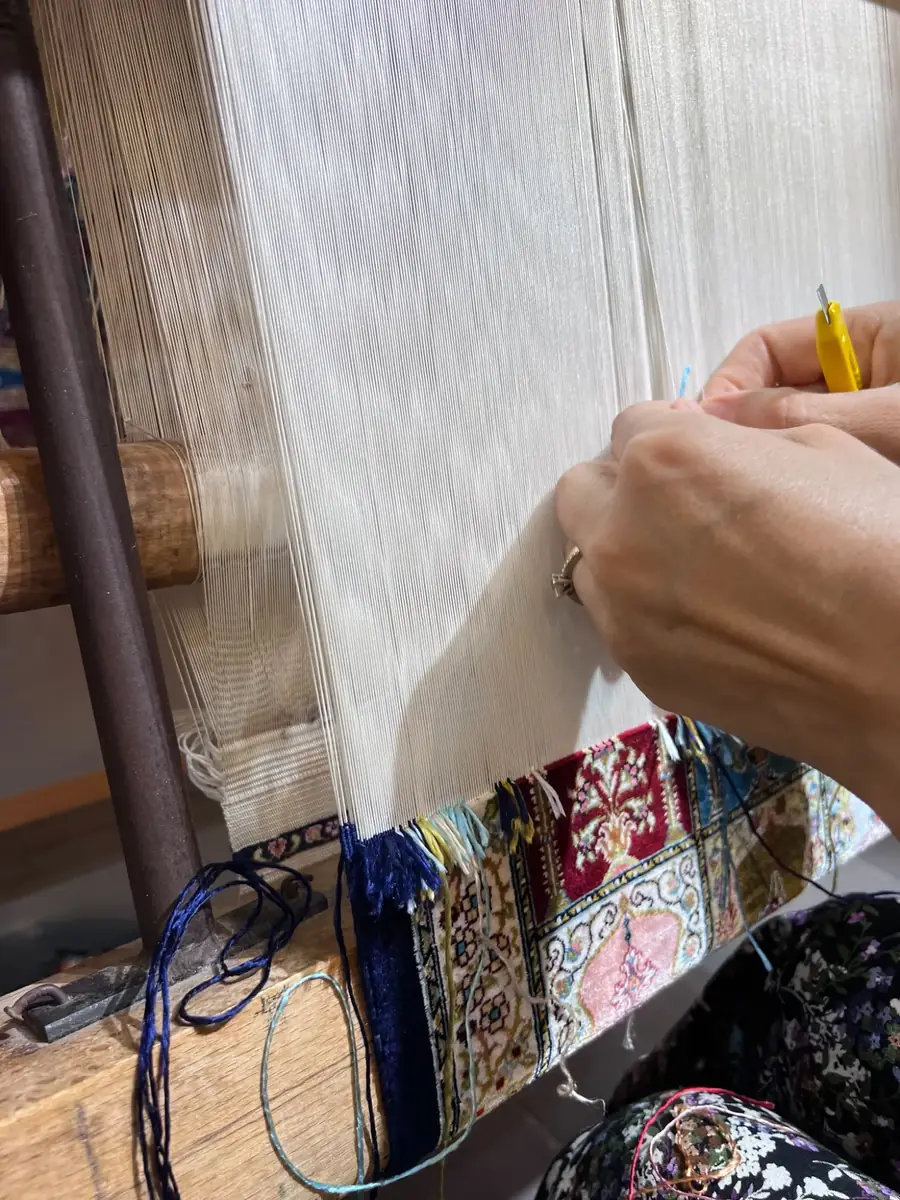
After the visit to Ephesus we stopped at a carpet shop in the Atatürk district of Selçuk. As well as the carpets on display, we were able to see some craftswomen at work at the loom. We watched them knotting the coloured threads by hand. It struck me to see how the design took shape one knot at a time.
Before going back on board, we took a stroll around the port of Kuşadası. I found it really lovely, and it was a nice way to end the day.
Night of 22 to 23 AugustThe 3 a.m. alarm to see the Dardanelles
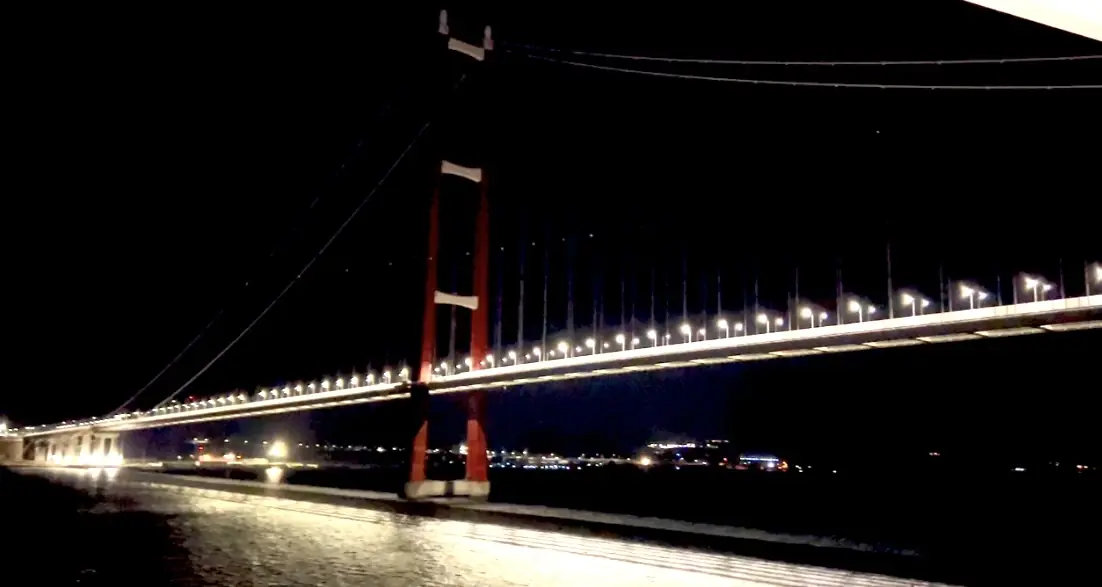
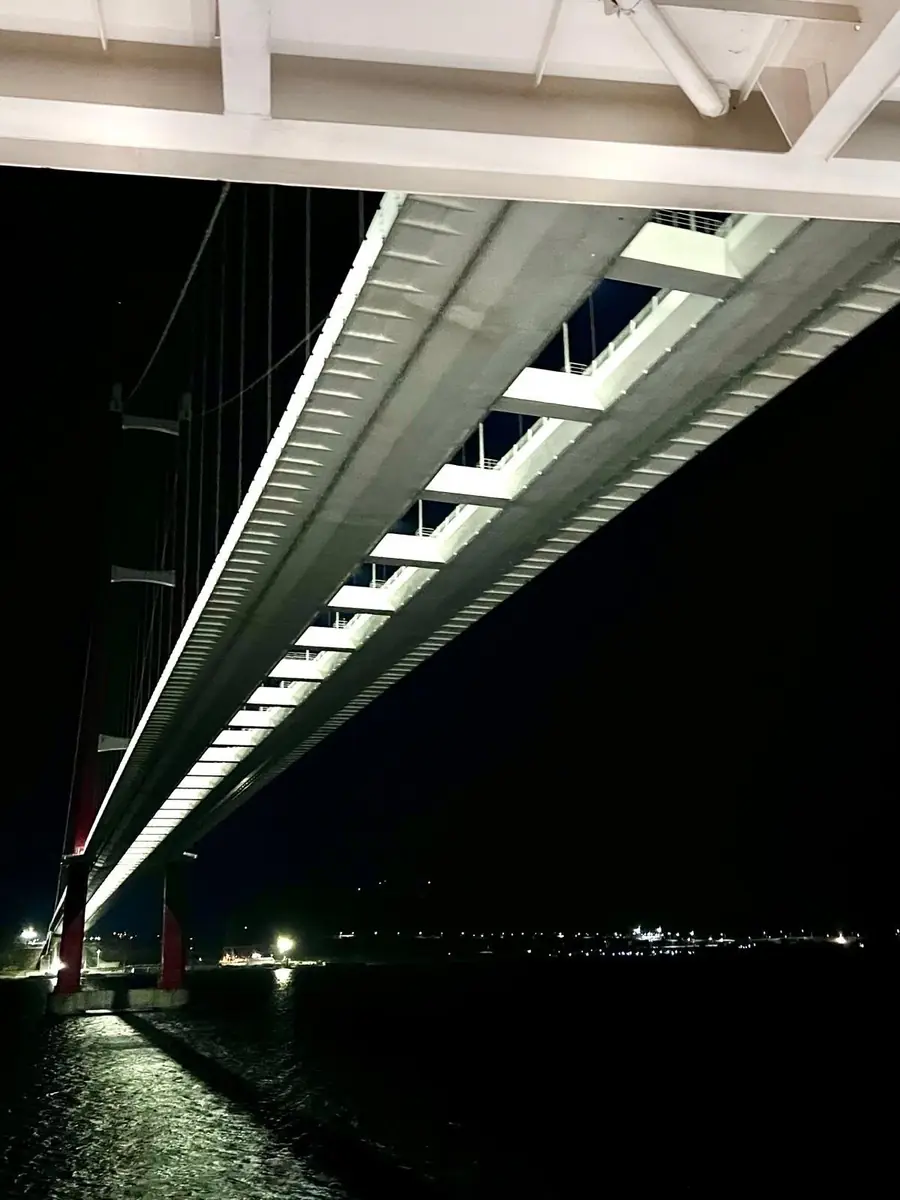
On board we had been told that, at around three in the morning, we would pass through the Dardanelles Strait and that we would be able to see the bridge from the ship. We didn’t want to sleep through it, so before going to bed we set the alarm.
When it went off we went out onto the balcony of our cabin. And there it was, the Dardanelles bridge, right in front of us in the middle of the night. We stayed on the balcony admiring the sight as the ship sailed on towards Istanbul. For a view like that, it was really worth waking up at three!
Saturday 23 AugustIstanbul
For Istanbul, too, we had booked a guided tour. This time we travelled by minibus to reach the most important places in the city. We had the longest stop of the cruise, from ten in the morning to eleven at night. And I got the answer to one of the questions I had asked myself before leaving: I was able to visit both Hagia Sophia and the Blue Mosque.
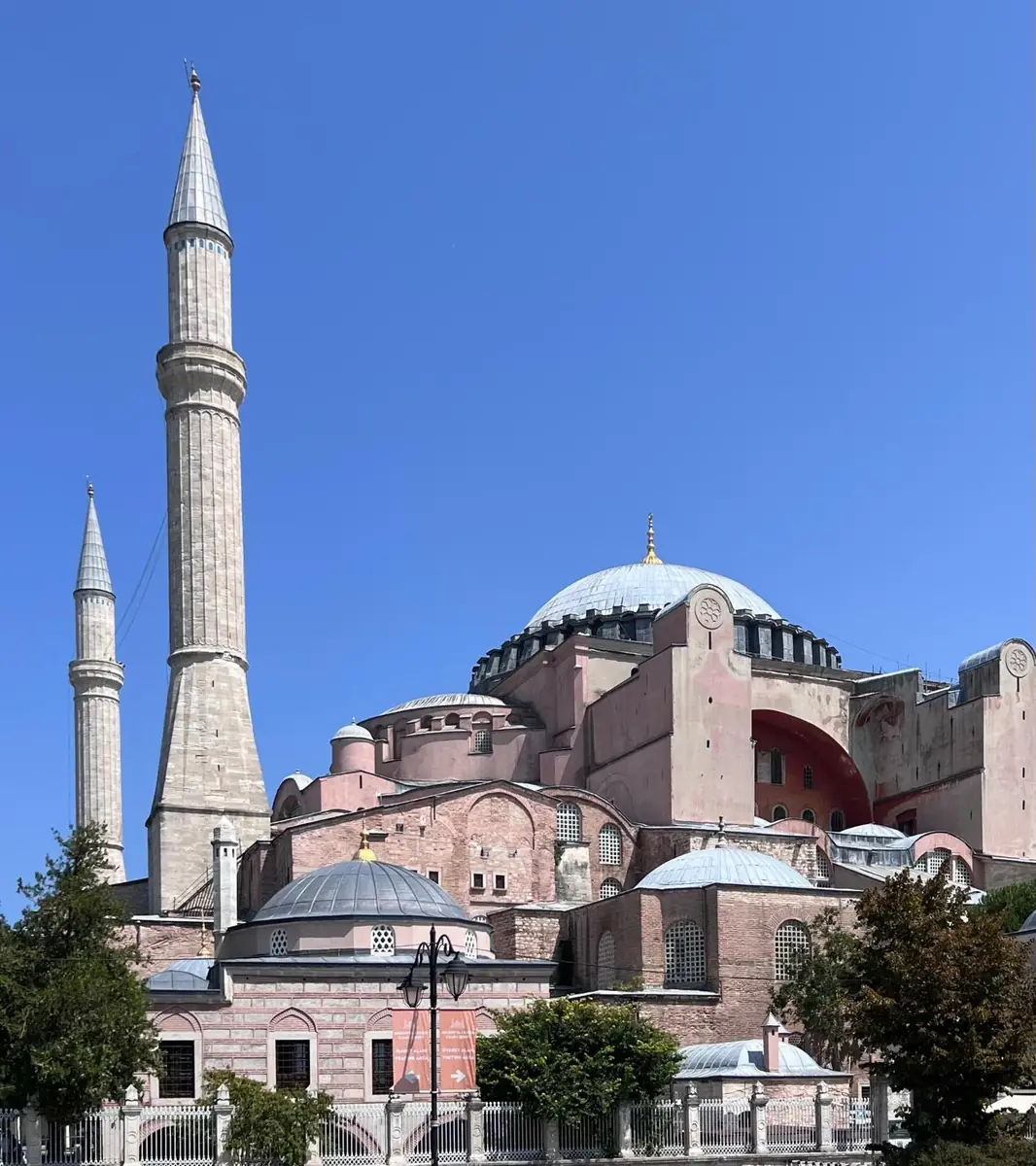
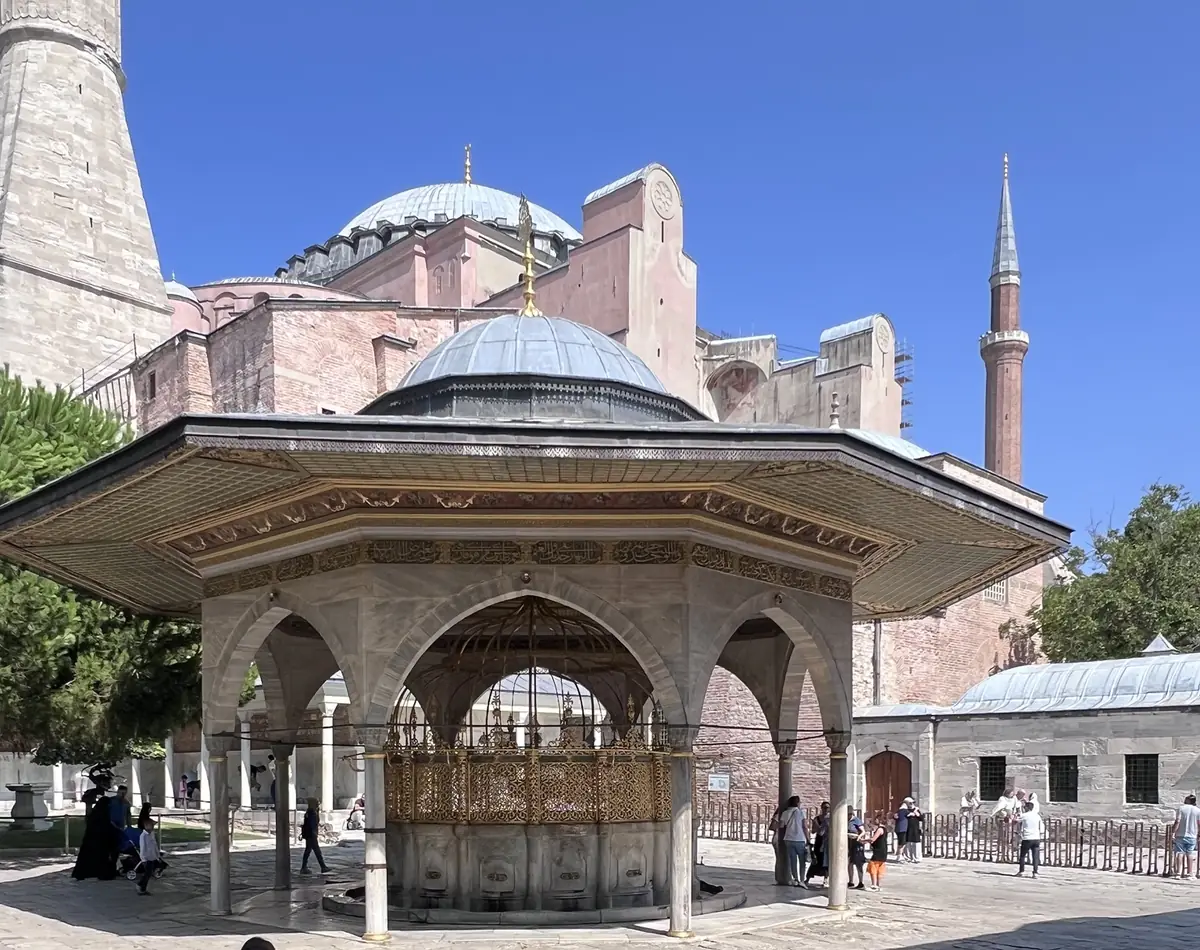
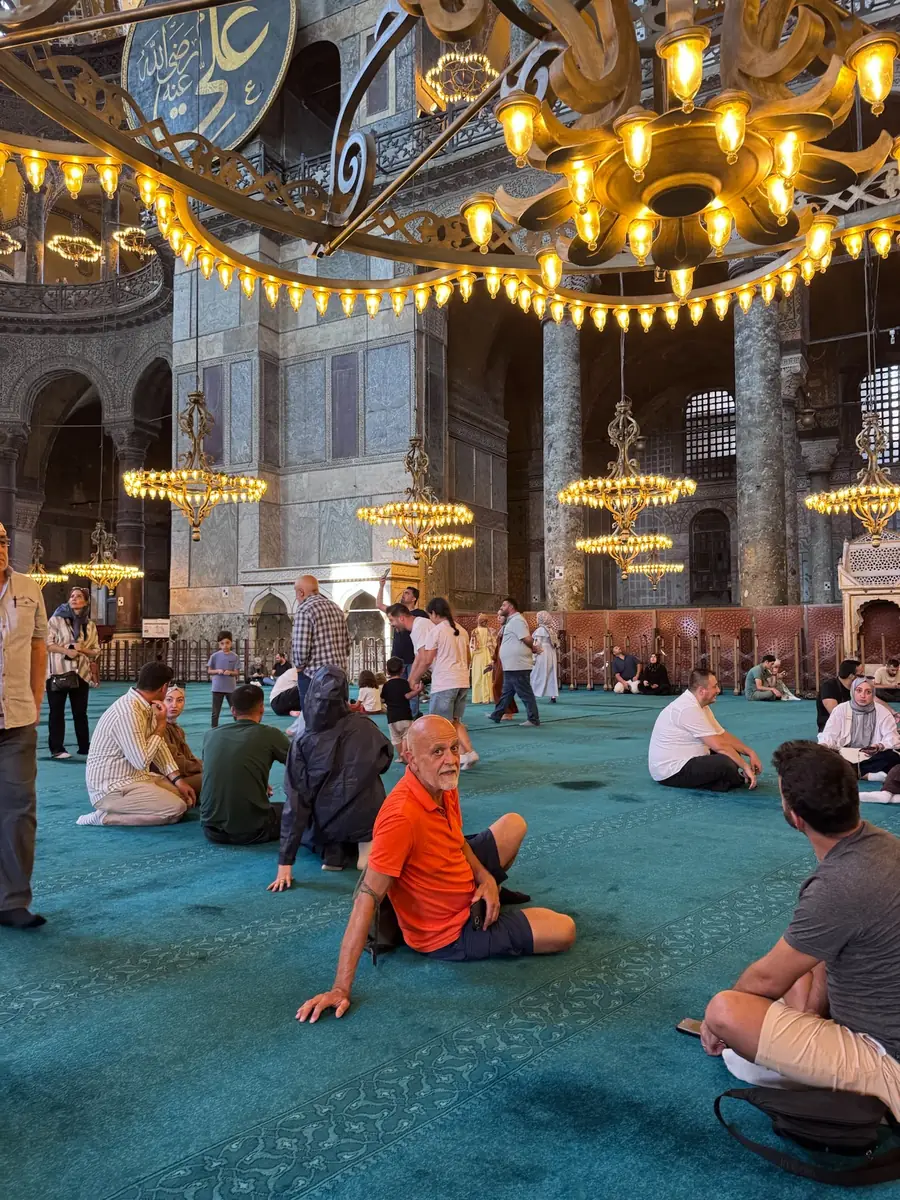
Thanks to our guide I was able to visit the first floor of Hagia Sophia in my wheelchair and enter the area set aside for the prayers of Muslim worshippers.
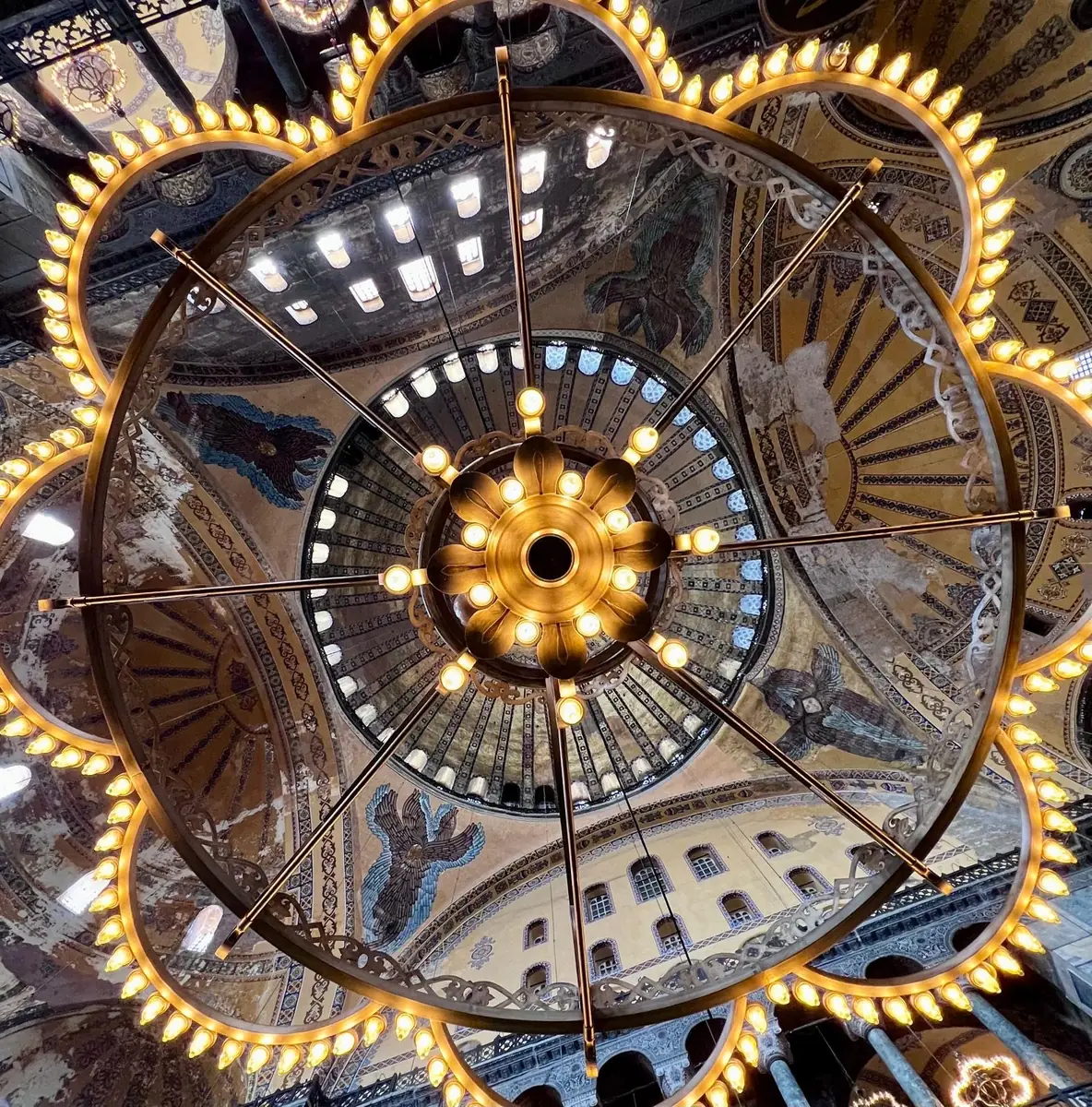
In Istanbul, too, it took us some effort to find an accessible toilet. In the end we found one right at the entrance to the Hagia Sophia mosque, where there are public toilets. One of them is wheelchair accessible.
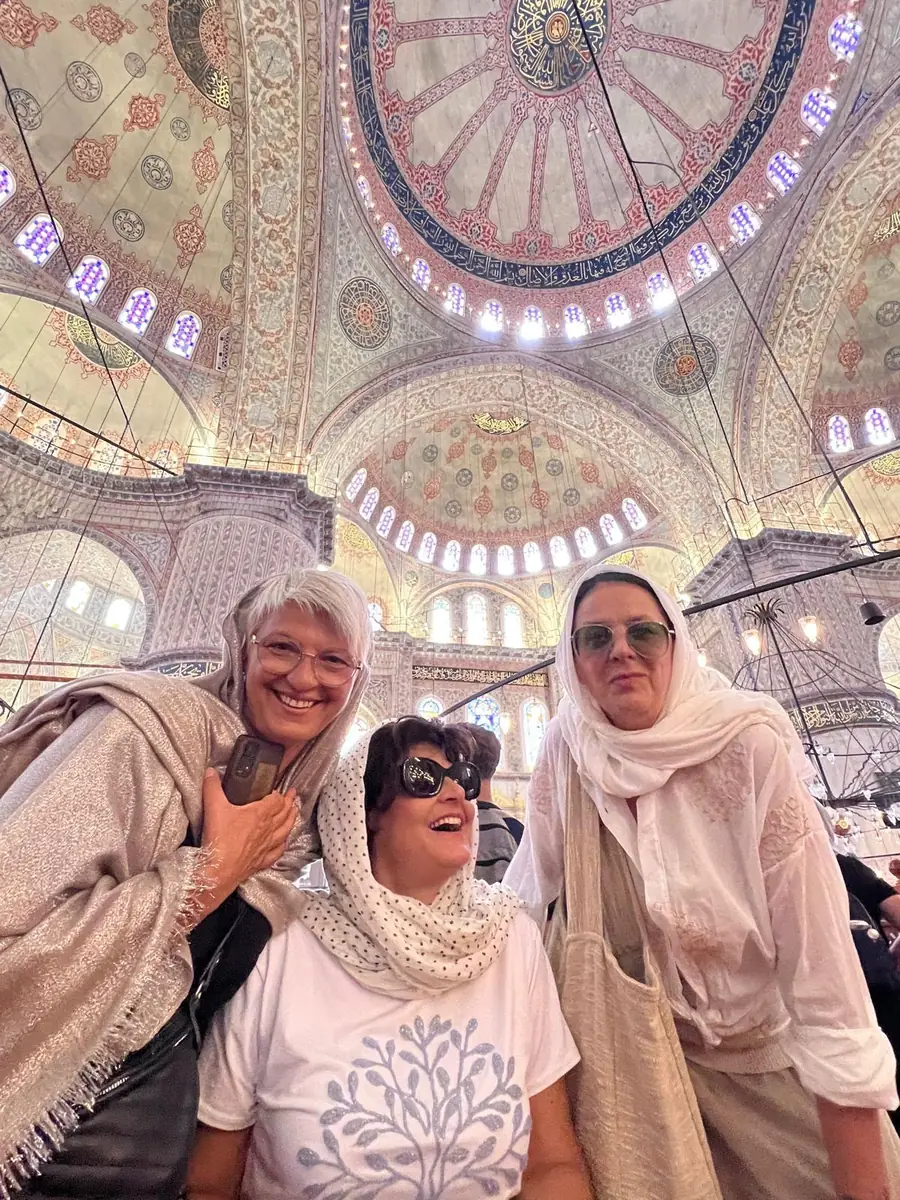
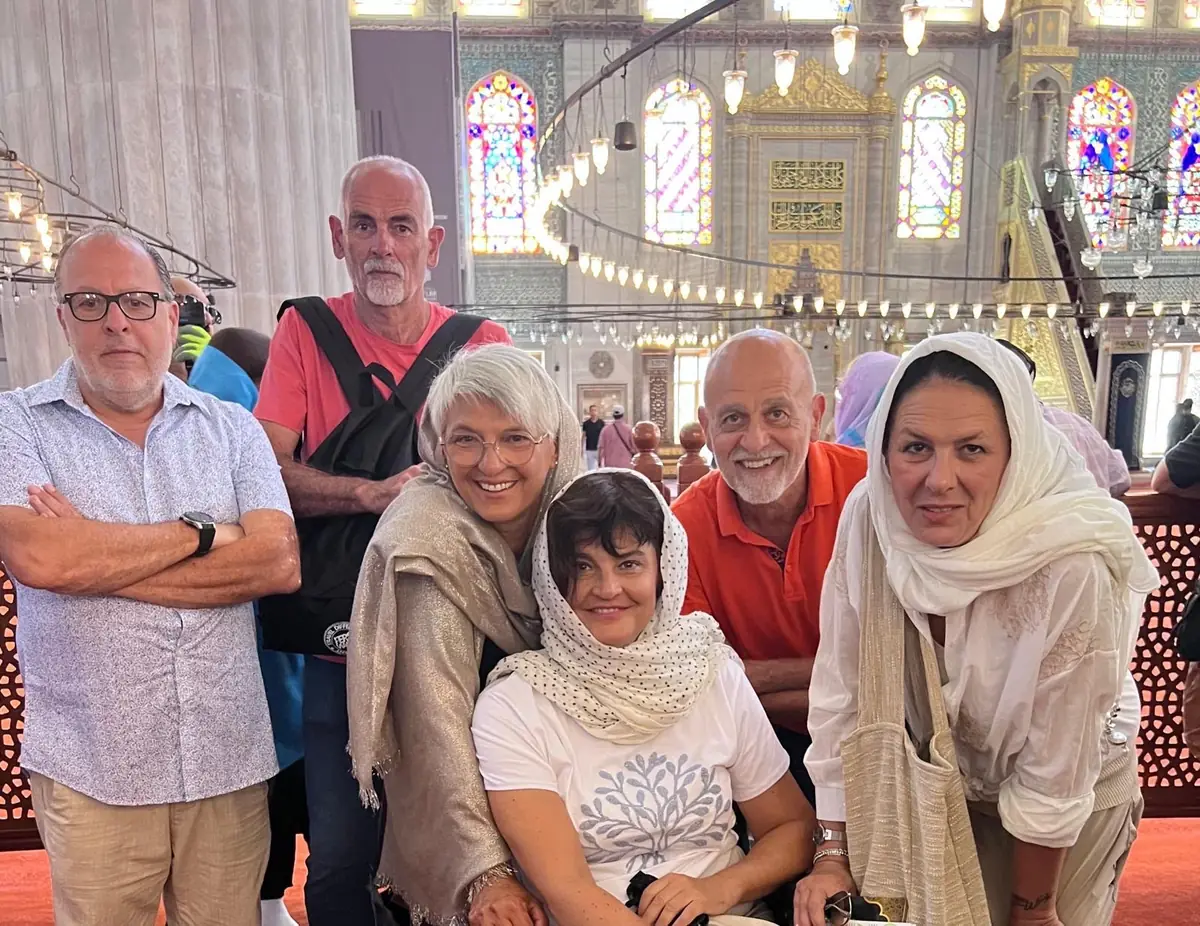
At the Blue Mosque getting in was easy thanks to the ramp at the entrance. In both mosques, while the other visitors took off their shoes, the staff wrapped the wheels of my wheelchair in cling film. It’s a way of keeping the carpets of the prayer halls clean, where the faithful kneel.
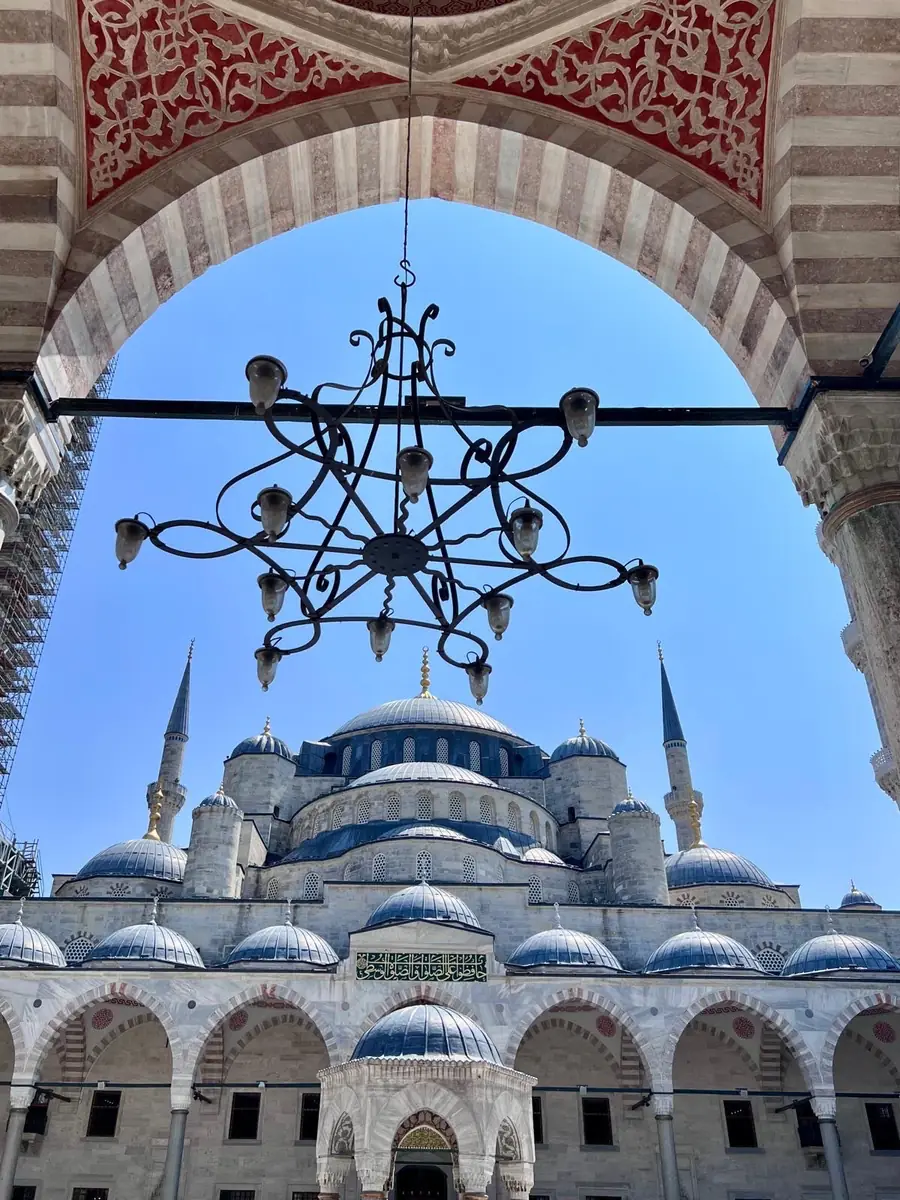
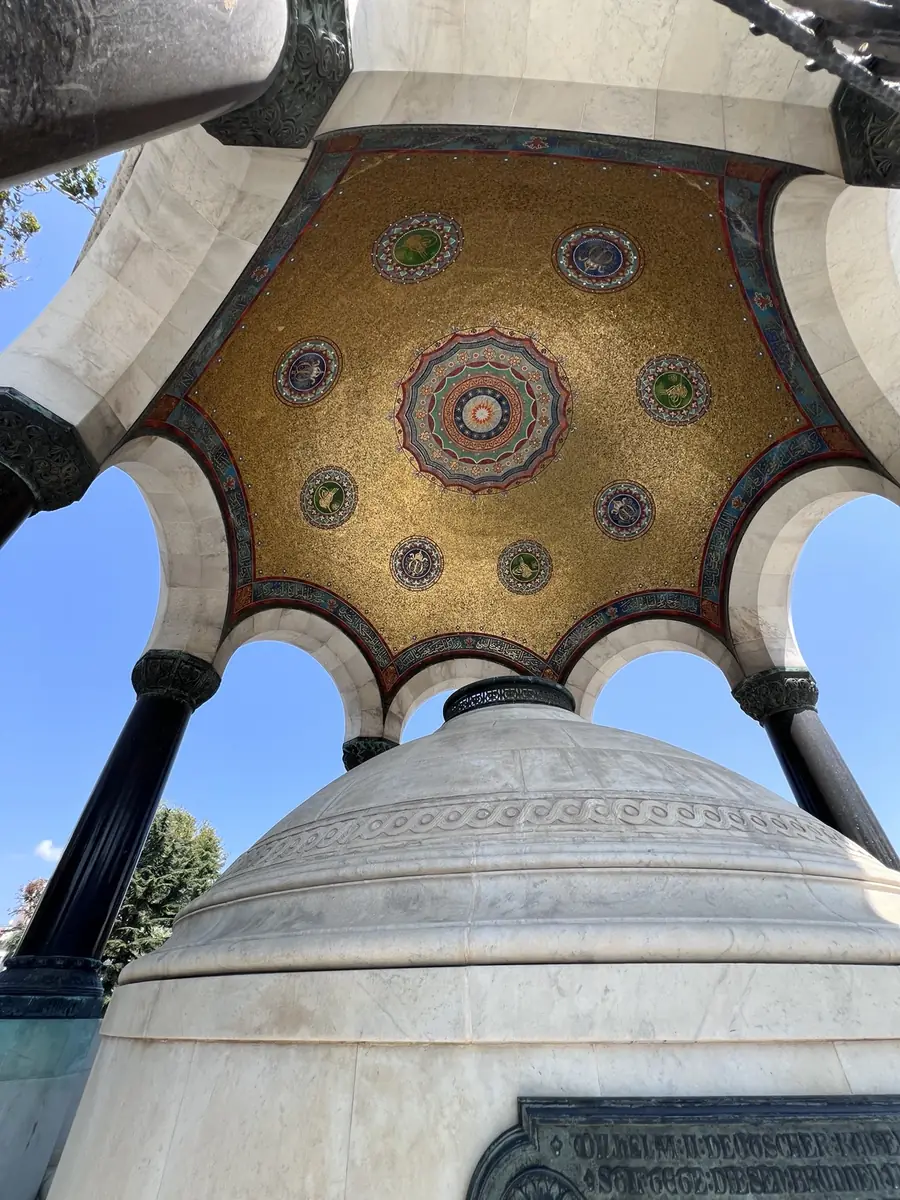
Our programme also included the Basilica Cistern (Yerebatan Sarnıcı), the largest covered cistern in Istanbul. That day, however, the lift was out of order and in my wheelchair I couldn’t go down to visit it.
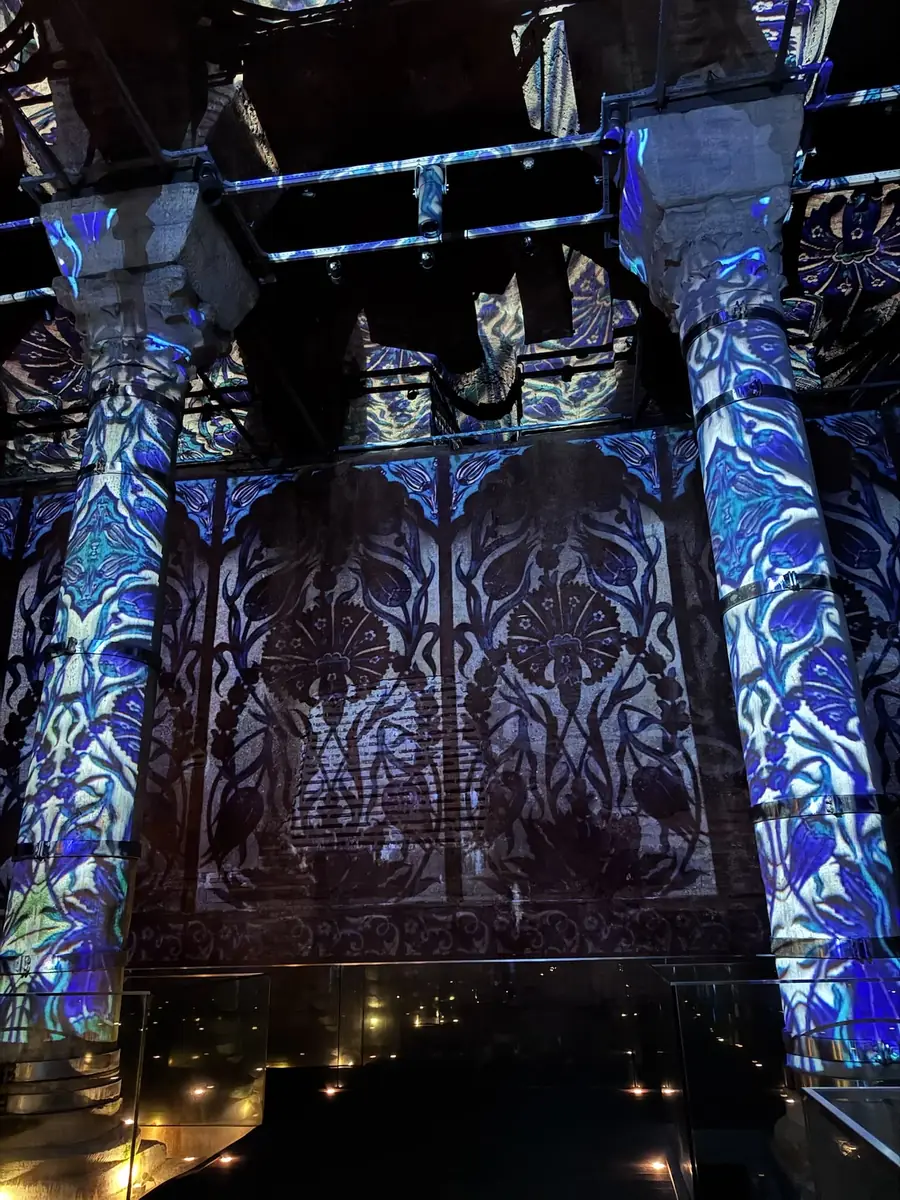
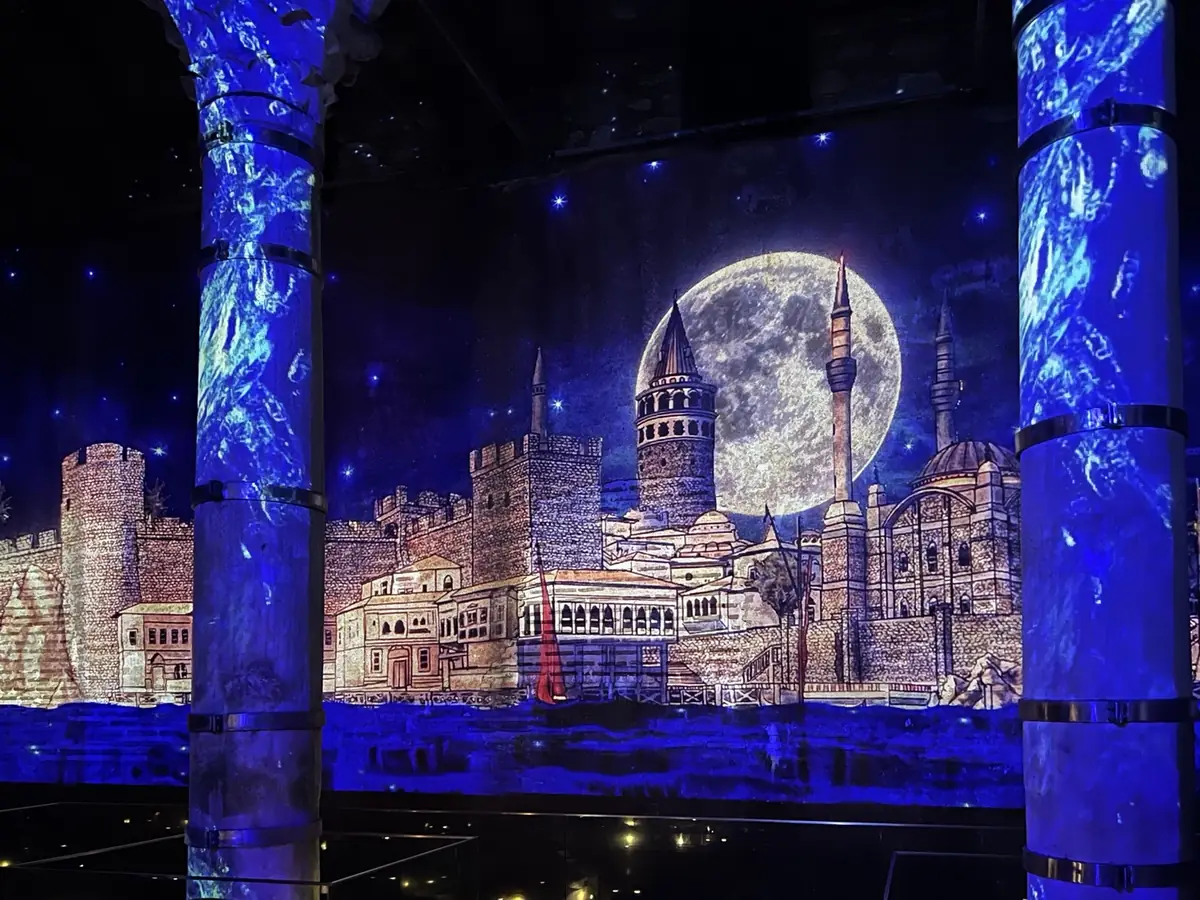
It was our guide who suggested an alternative, taking us to the Cistern of Theodosius (Şerefiye Sarnıcı), smaller and very evocative. Here I was able to go in with my wheelchair and watch a light and sound show. The images were projected in 360 degrees among the ancient columns, and I could follow the scene by looking around me. Without the guide’s advice, we probably wouldn’t have discovered this cistern.
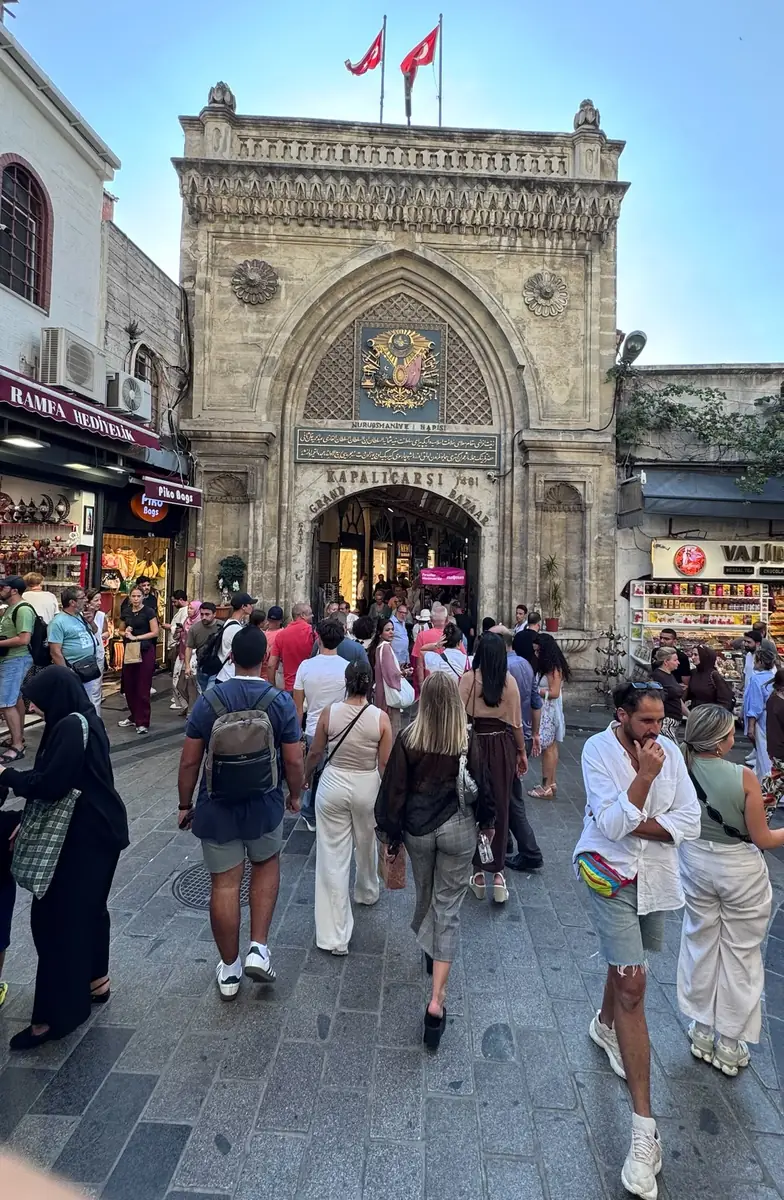
We then visited Istanbul’s two most famous markets. At the Grand Bazaar (Kapalıçarşı) we strolled through the covered alleys and the shops selling jewellery, carpets and lamps. At the Spice Bazaar (Mısır Çarşısı), also known as the Egyptian Bazaar, we browsed among the stalls of spices, tea and sweets. I found both markets accessible and was able to go along their inner streets in my manual wheelchair.
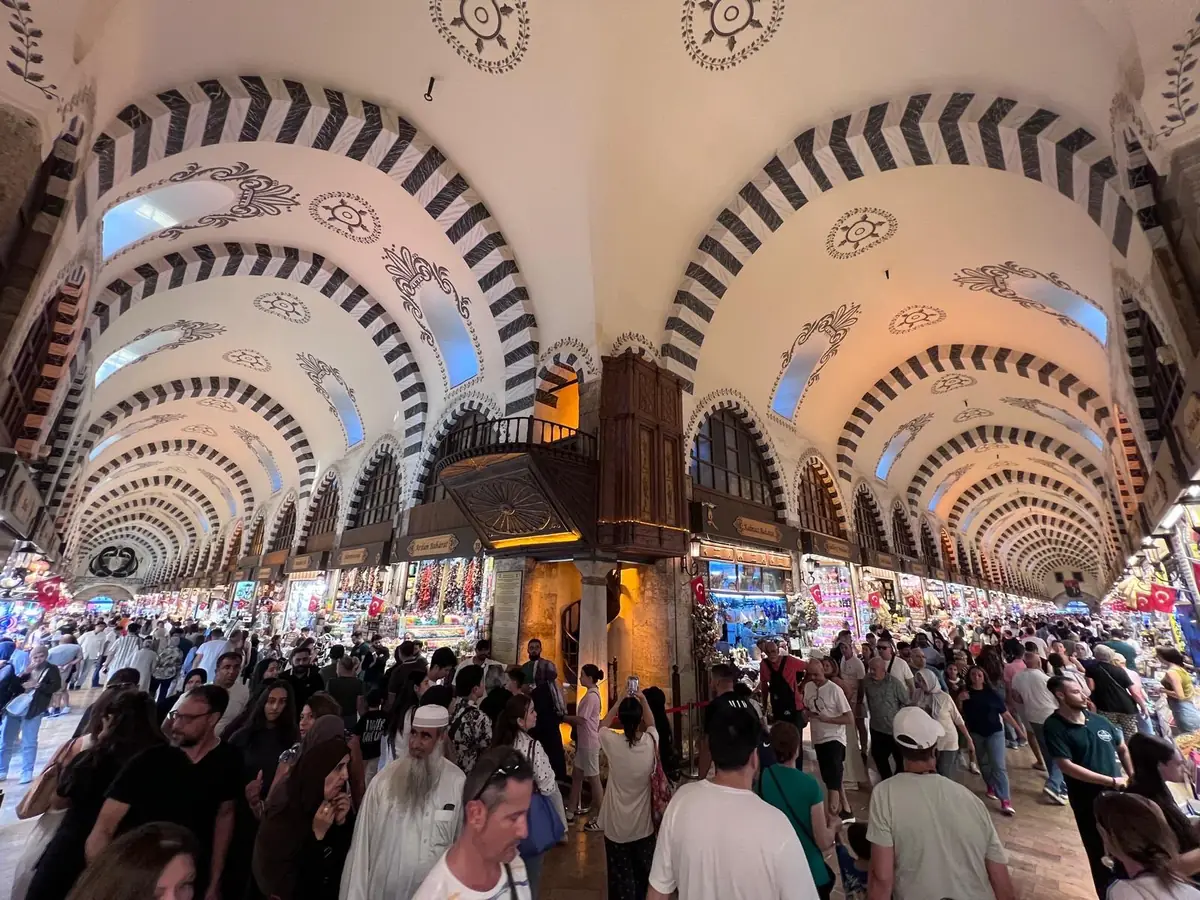
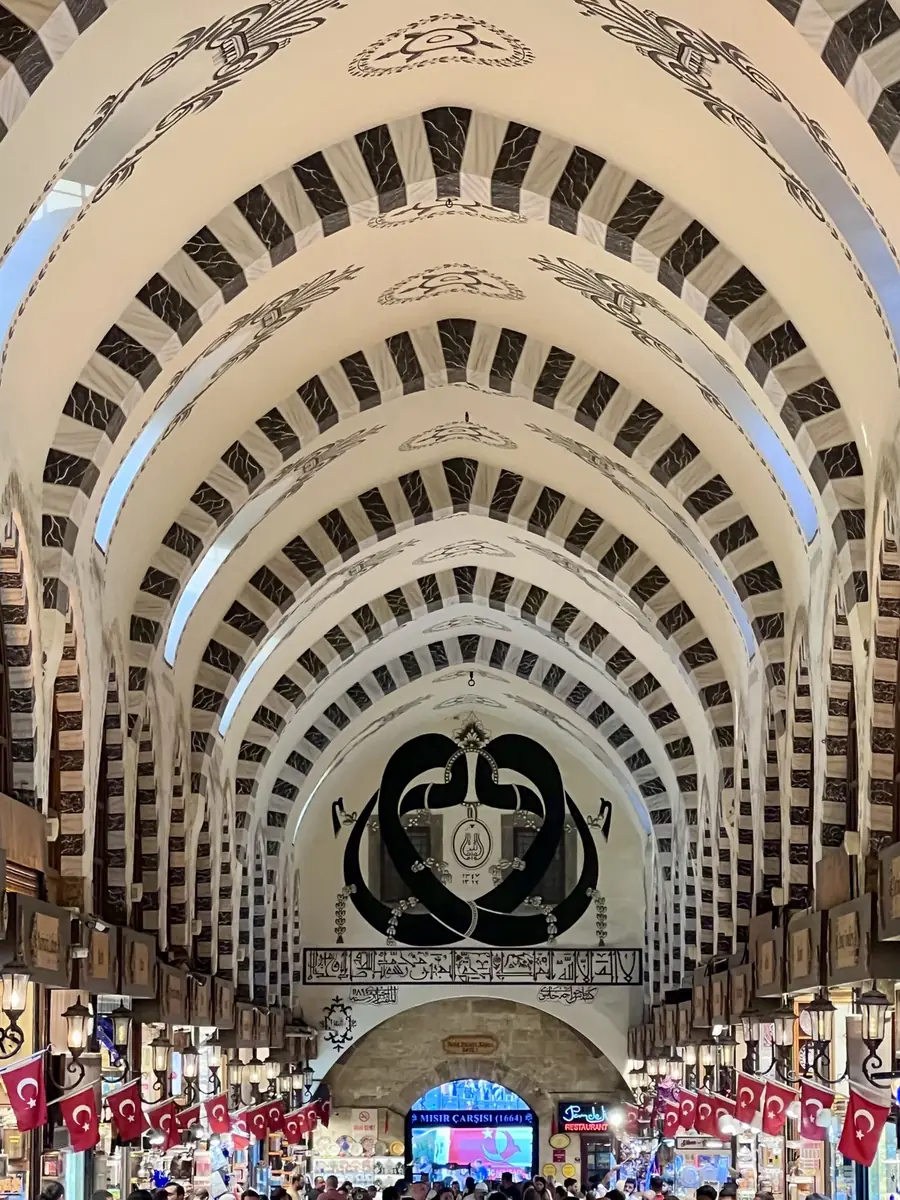
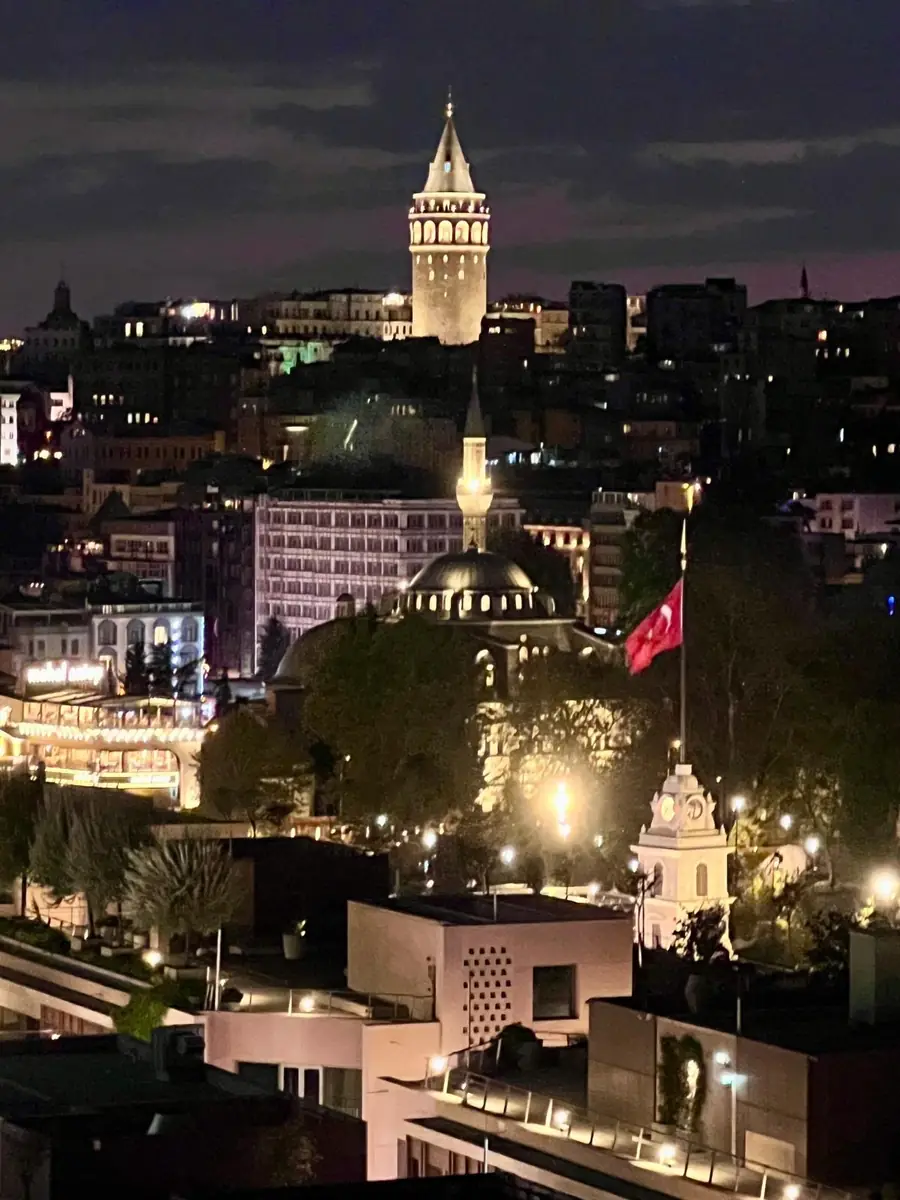
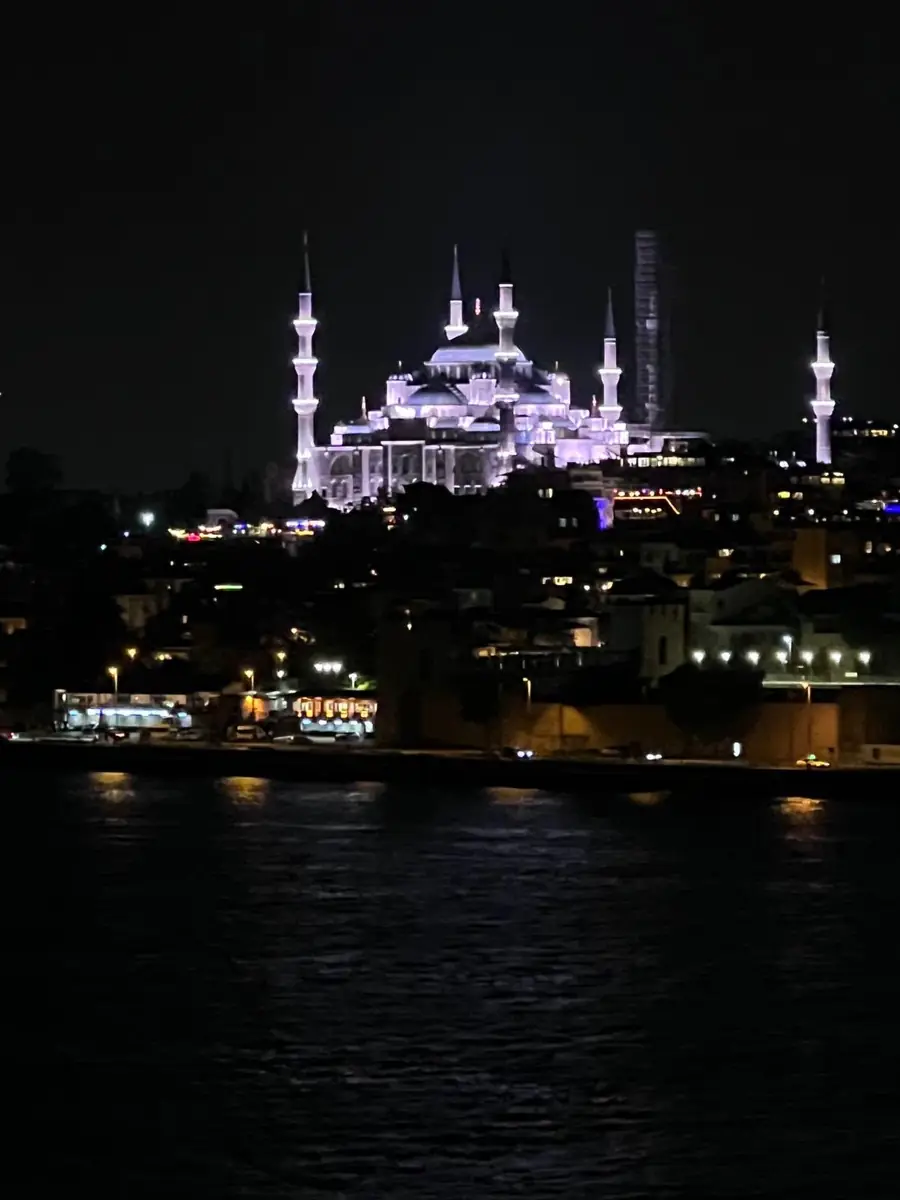
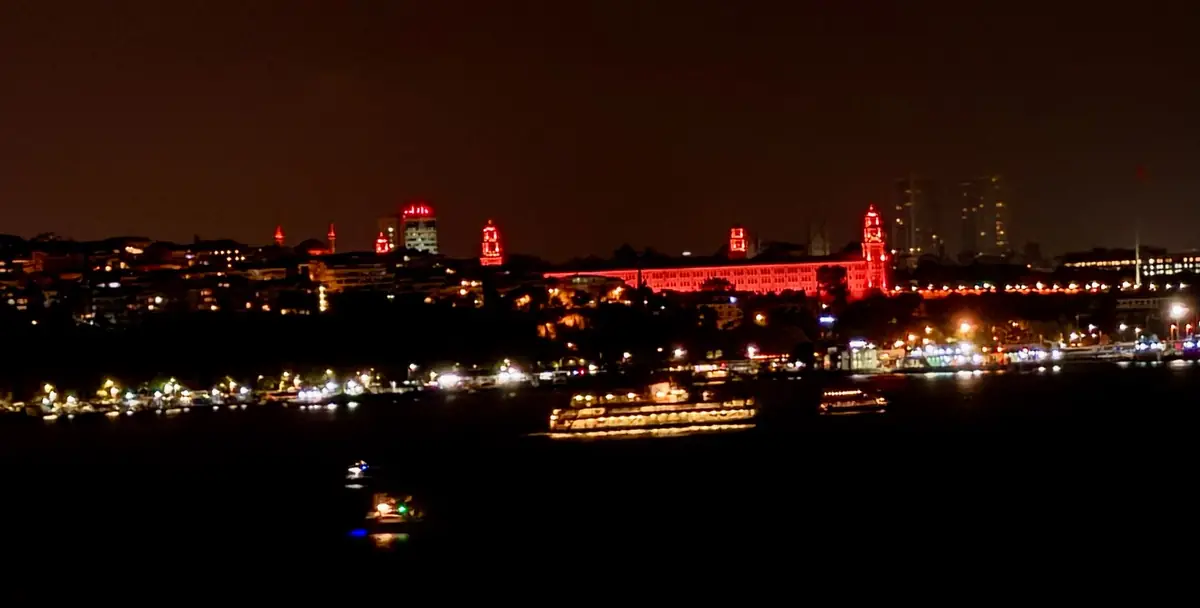
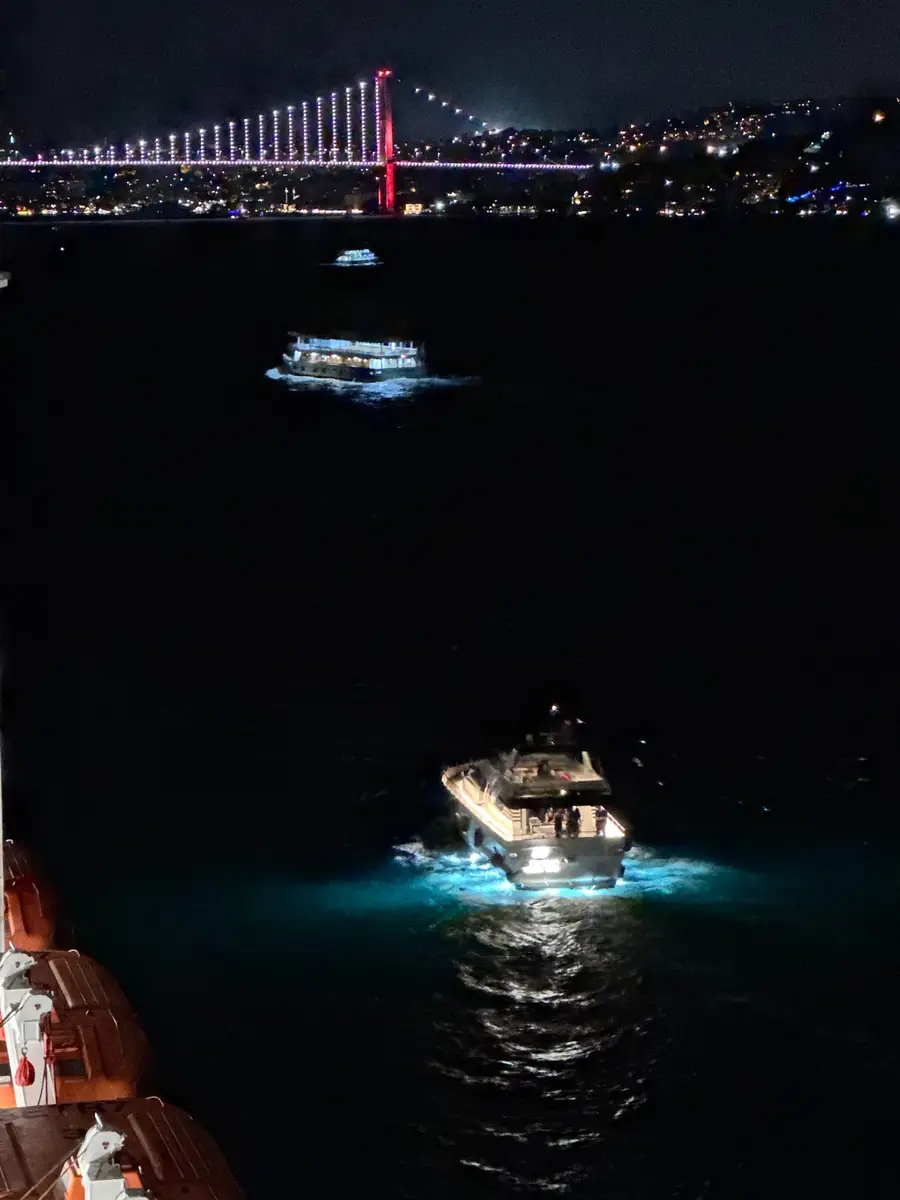
That evening, while we waited to set sail, we photographed Istanbul lit up from the ship.
Monday 25 AugustCorfu · A swim in the sea at Paleokastritsa
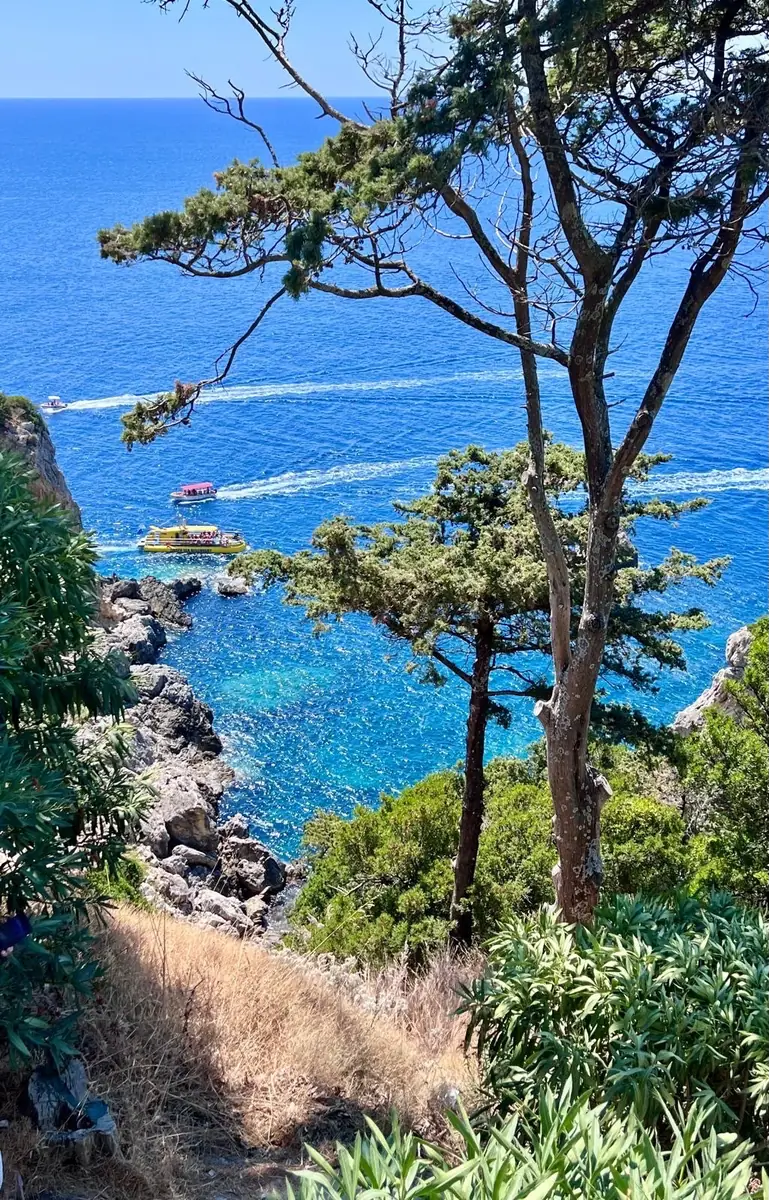
After the Sunday spent at sea, on Monday we arrived in Corfu at lunchtime. For this stop I had a wish that had been with me ever since I started studying the itinerary: to manage to swim in the sea. And that afternoon, on the beach at Paleokastritsa, I did it.
Can you see that chair on the rail in the photo? It’s called SEATRAC, and it’s thanks to that seat that I was able to get into the water. Once on the beach I transferred from my wheelchair to the chair. With a waterproof remote control I made it slide along the rail, from the shore right into the sea, until I could get into the water. On the way back I used the same remote control to return to the shore.
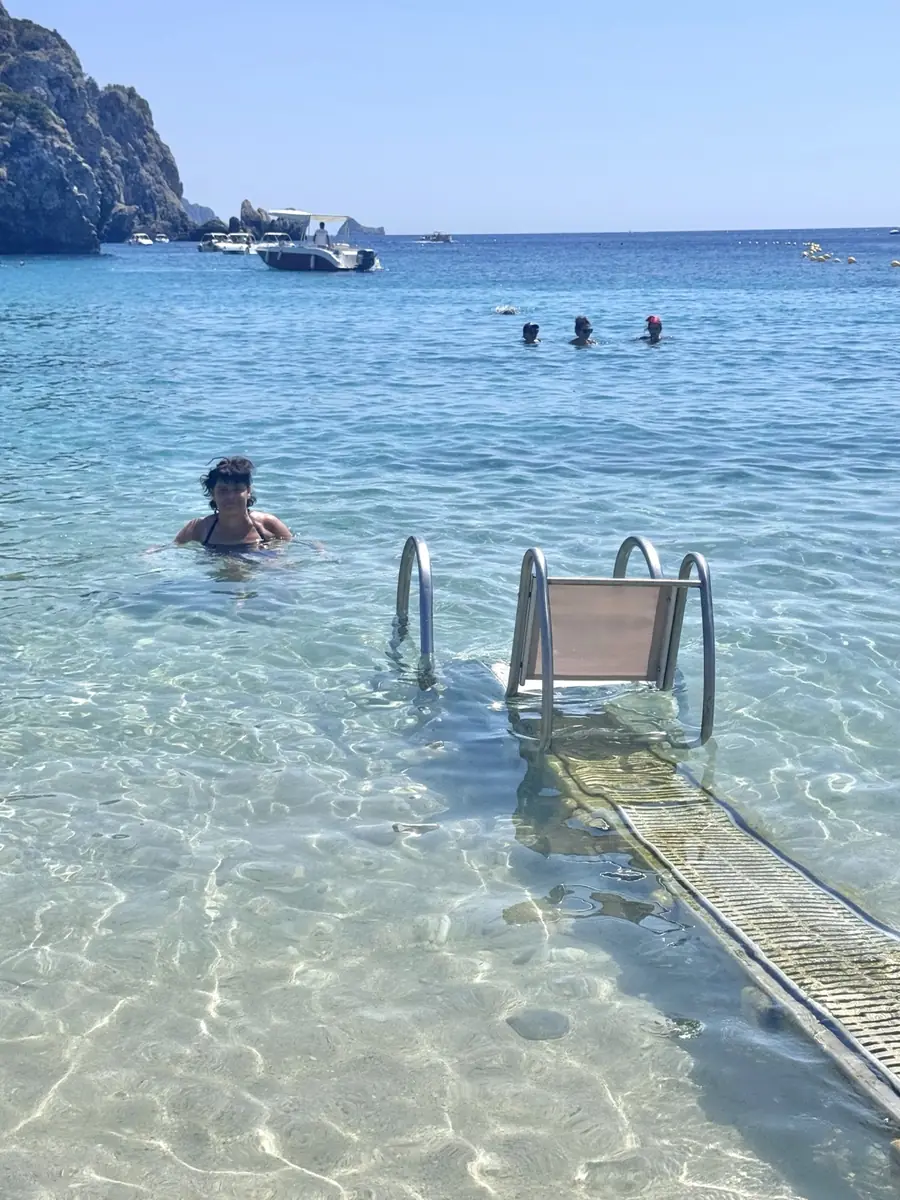
And here I am, finally bathing in the crystal-clear sea of Paleokastritsa! It’s the photo I chose to tell the story of this stop. Before leaving I wondered how I would ever reach the water. That afternoon I was in the sea, enjoying my swim in Corfu. 💙
After the swim we stopped for lunch at the beach club right next to the accessible beach at Paleokastritsa. There we also found a wheelchair-accessible toilet.
Tuesday 26 AugustBari Vecchia and the Basilica of San Nicola
In Bari we spent the morning on a walk through Bari Vecchia, the old town, all the way to the Basilica of San Nicola.
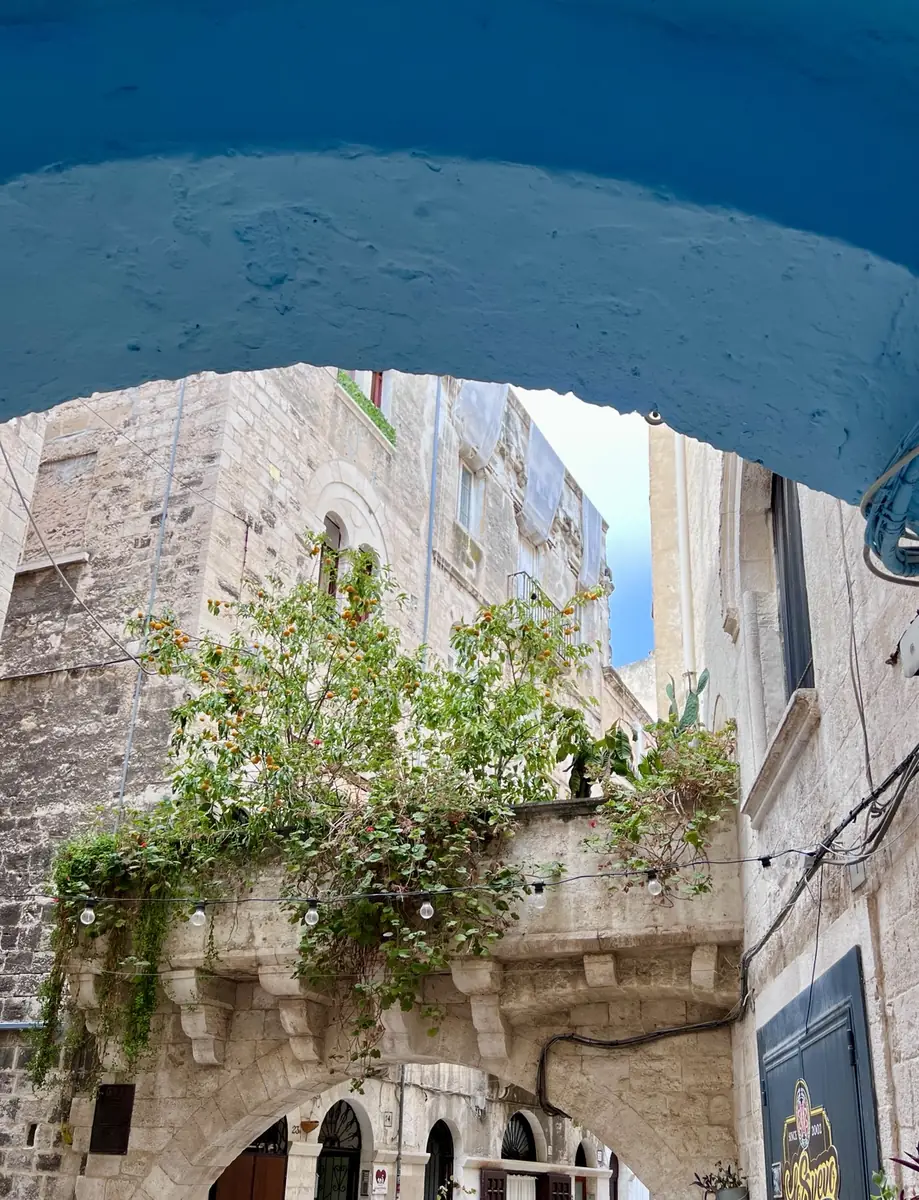
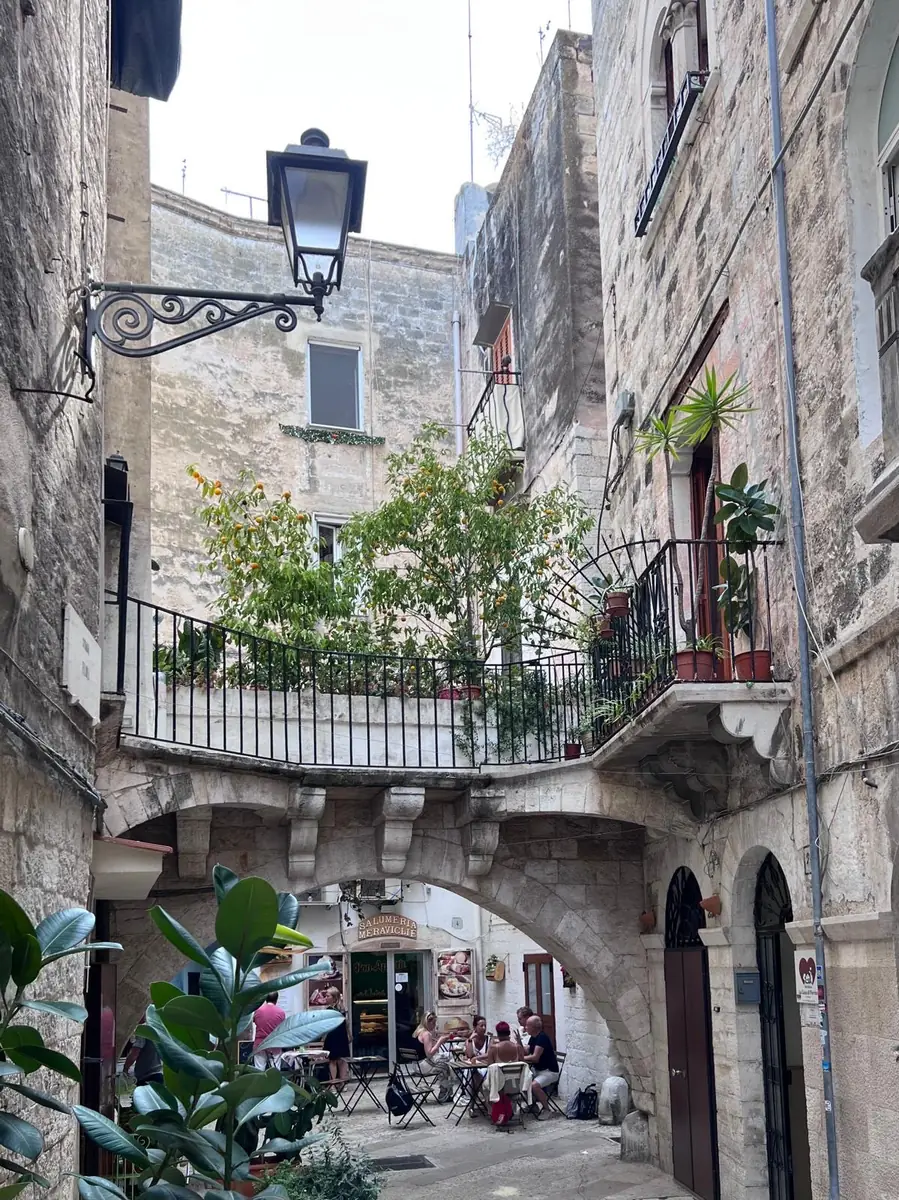
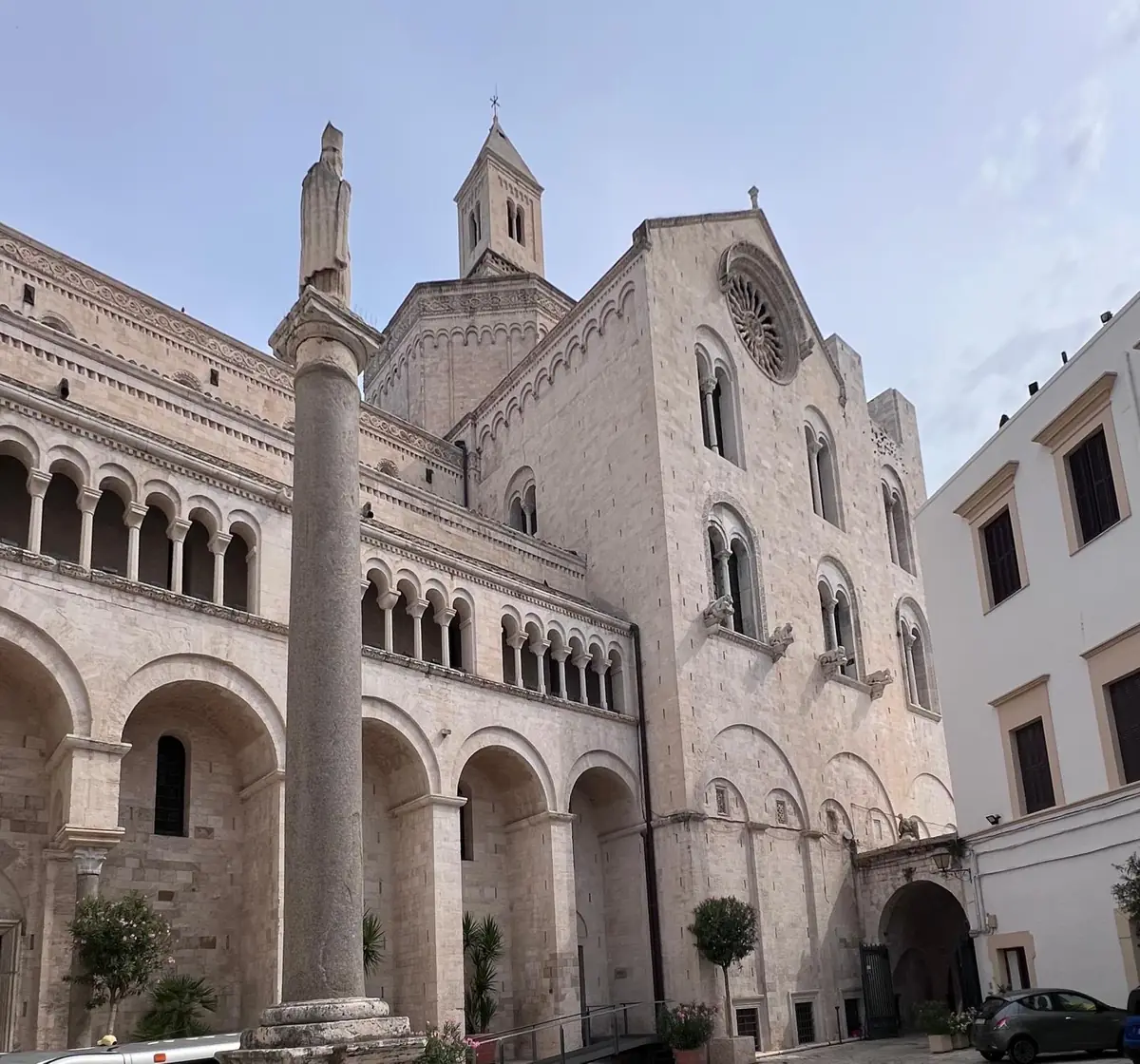
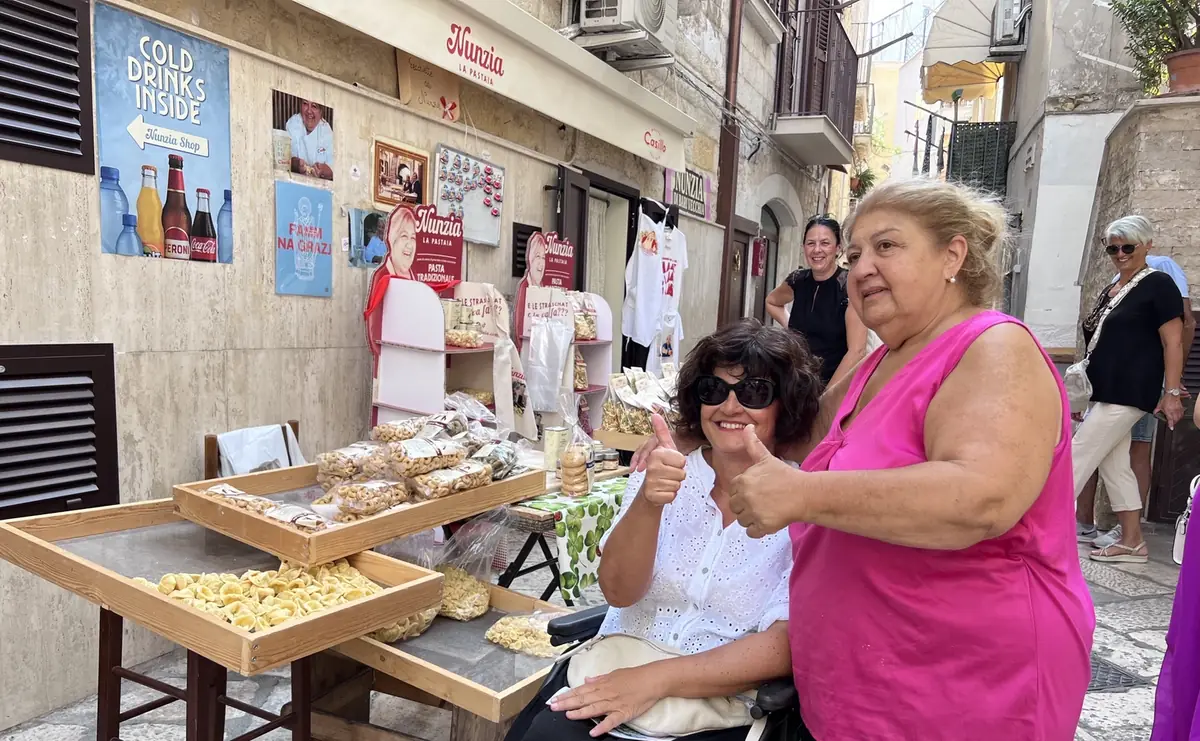
I was able to visit the inside of the basilica in my wheelchair. I want to mention it because, when I plan a trip, one of the first things I try to find out is whether I’ll be able to get in with my wheelchair. Reading about the experience of someone who has already been there helps me know before I go.
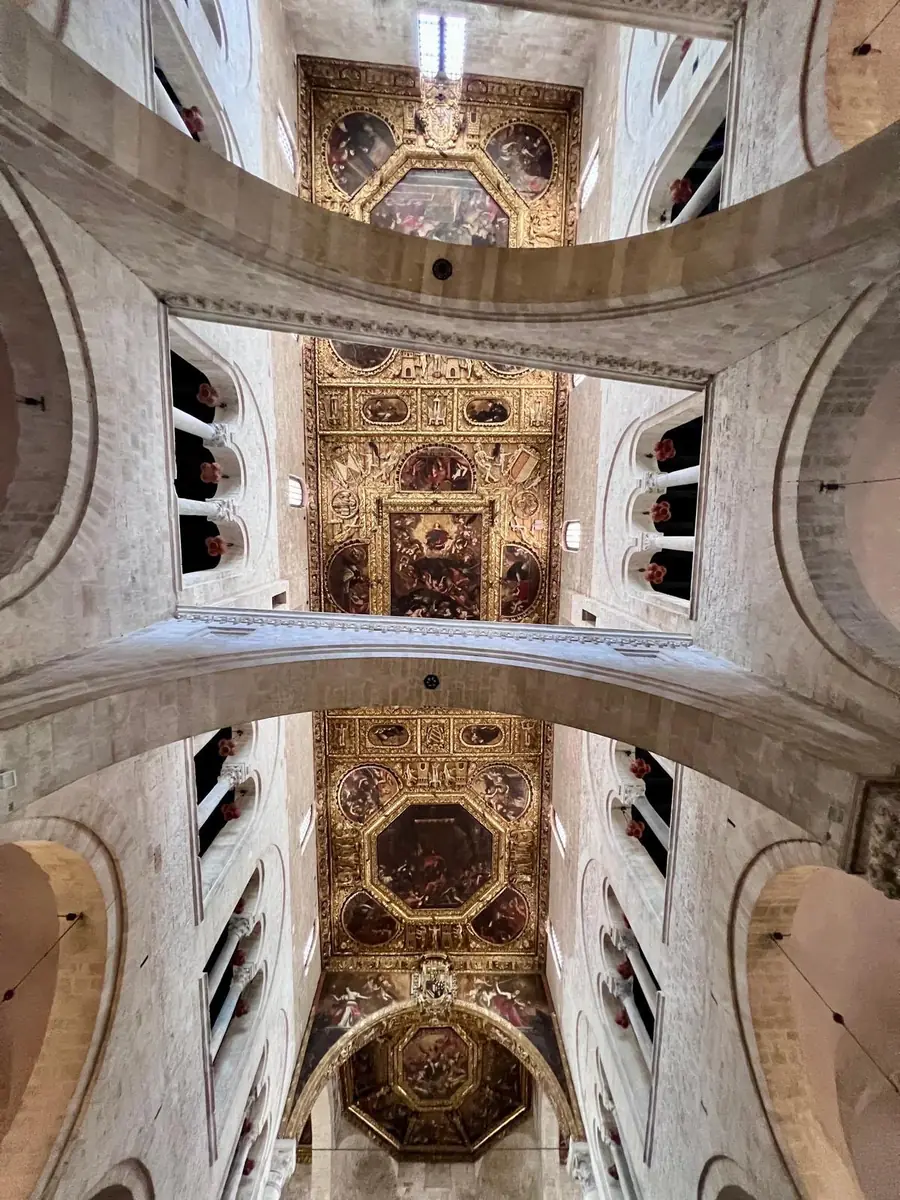
It was the last visit ashore of our holiday. In the early afternoon we set off again, and on the morning of Wednesday 27 August we arrived back in Trieste, at the same port we had left from ten days earlier.
Things to remember
The things to remember, gathered here so they are easy to find.
- Katakolon and Olympia. Our programme said “alongside or at anchor”. Only while at sea did we find out that we would dock alongside, because everything depended on a berth being free in the port. If the ship had stayed at anchor, I would not have been able to go ashore in my wheelchair.
- Acropolis of Athens. The stretch before the golf cart is uphill, on uneven stone. With my manual wheelchair Gabriele’s help was essential. Once we reached the cart, the staff took us to the lift.
- Ephesus. The guide was waiting for us at the port of Kuşadası. On the site the ground is uneven in places. With a little help I reached the Library of Celsus and was also able to visit the immersive museum.
- Istanbul. I was able to visit both the Blue Mosque and Hagia Sophia in my wheelchair. At Hagia Sophia, thanks to the guide, I was able to reach the first floor, in the area set aside for the prayers of Muslim worshippers. For the Basilica Cistern it’s worth checking on the day that the lift is working. During our stop it was broken. I was able to visit the Cistern of Theodosius in my wheelchair, and I found both the Grand Bazaar and the Spice Bazaar accessible.
- Corfu. During our visit, on the beach at Paleokastritsa I found the SEATRAC system. You need to transfer from your own wheelchair to the seat. From there I was able to control both going into the water and coming back to the shore myself, with the remote control.
- Bari. During the morning stop I was able to stroll through Bari Vecchia and go into the Basilica of San Nicola in my wheelchair.
Accessible toilets we found
- Olympia Accessible toilets within the archaeological site.
- Athens · Starbucks Coffee Accessible toilet in the centre, found before heading back to the port.
- Ephesus Wheelchair-accessible toilets at the entrance to the archaeological site; I used one during the visit.
- Istanbul · Hagia Sophia Public toilets at the entrance to the mosque: one of them is wheelchair accessible.
- Corfu · Paleokastritsa Wheelchair-accessible toilet in the beach club next to the accessible beach.
This story describes our experience in a wheelchair from 18 to 27 August 2025. Services, access and the conditions at each stop can change: when planning your trip, check the latest information for each place.
There are places I never thought I would be able to visit. Then I found myself at Olympia, I went up the Acropolis of Athens, and in Ephesus I looked up from right below the Library of Celsus. In Istanbul I went into the mosques I longed to see and in Corfu I swam in that crystal-clear sea. And all this when I didn’t yet have the Triride.
That’s why I wanted to tell you about this cruise. Never set yourself limits before you even know what is possible. If there’s a place you dream of seeing, take the time to work out how to get there. For me it meant finding out about going ashore, getting a hand on a stone slope, and discovering that on a beach in Corfu there was a chair that could take me right into the sea. That’s how those places, which seemed out of reach from home, became part of my travel memories.