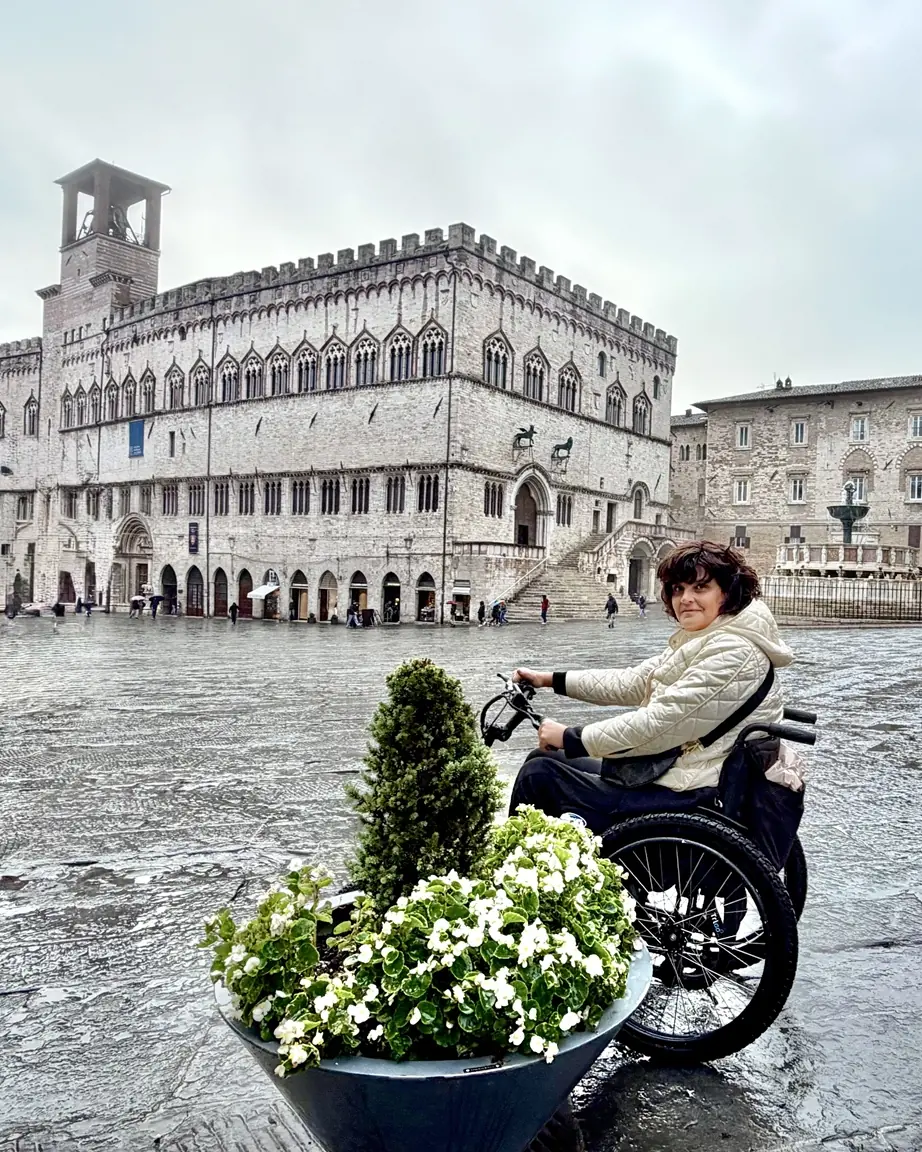
For this day trip we chose Perugia, with a plan that brought together a visit to the Casa del Cioccolato Perugina (the Perugina chocolate house), a lunch of Umbrian specialities and a stroll around the old town.
The weather wasn’t the best, so we spent less time walking outdoors and focused on indoor visits. Between the cathedral, Palazzo dei Priori and the Galleria Nazionale dell’Umbria, we still had plenty to discover.
Discovering the Casa del Cioccolato Perugina
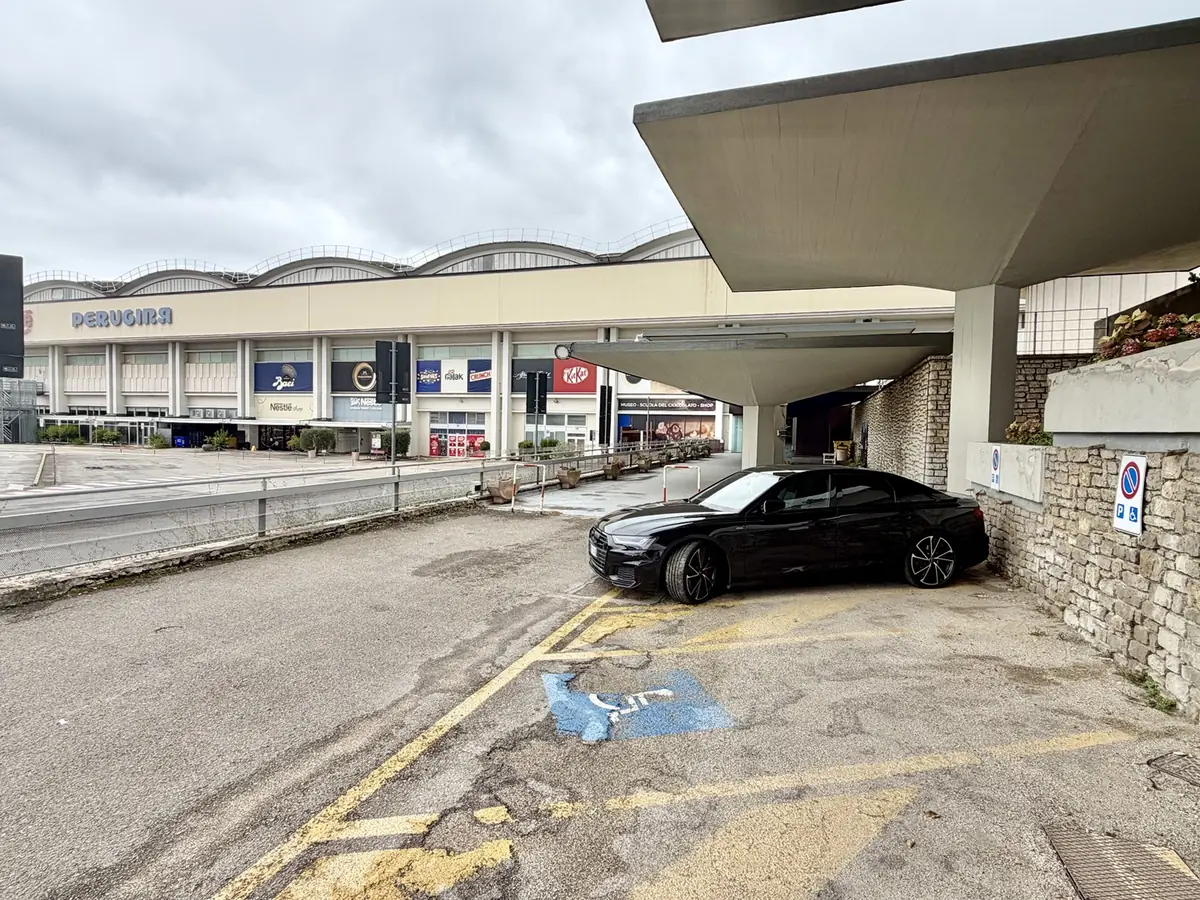
We left San Giovanni Valdarno at 8:30 and reached the Casa del Cioccolato Perugina, at Viale San Sisto 207/C, for the 10:30 tour.
The tour took us through the history of the company, with the museum and a film, before the tasting and the visit to the factory.
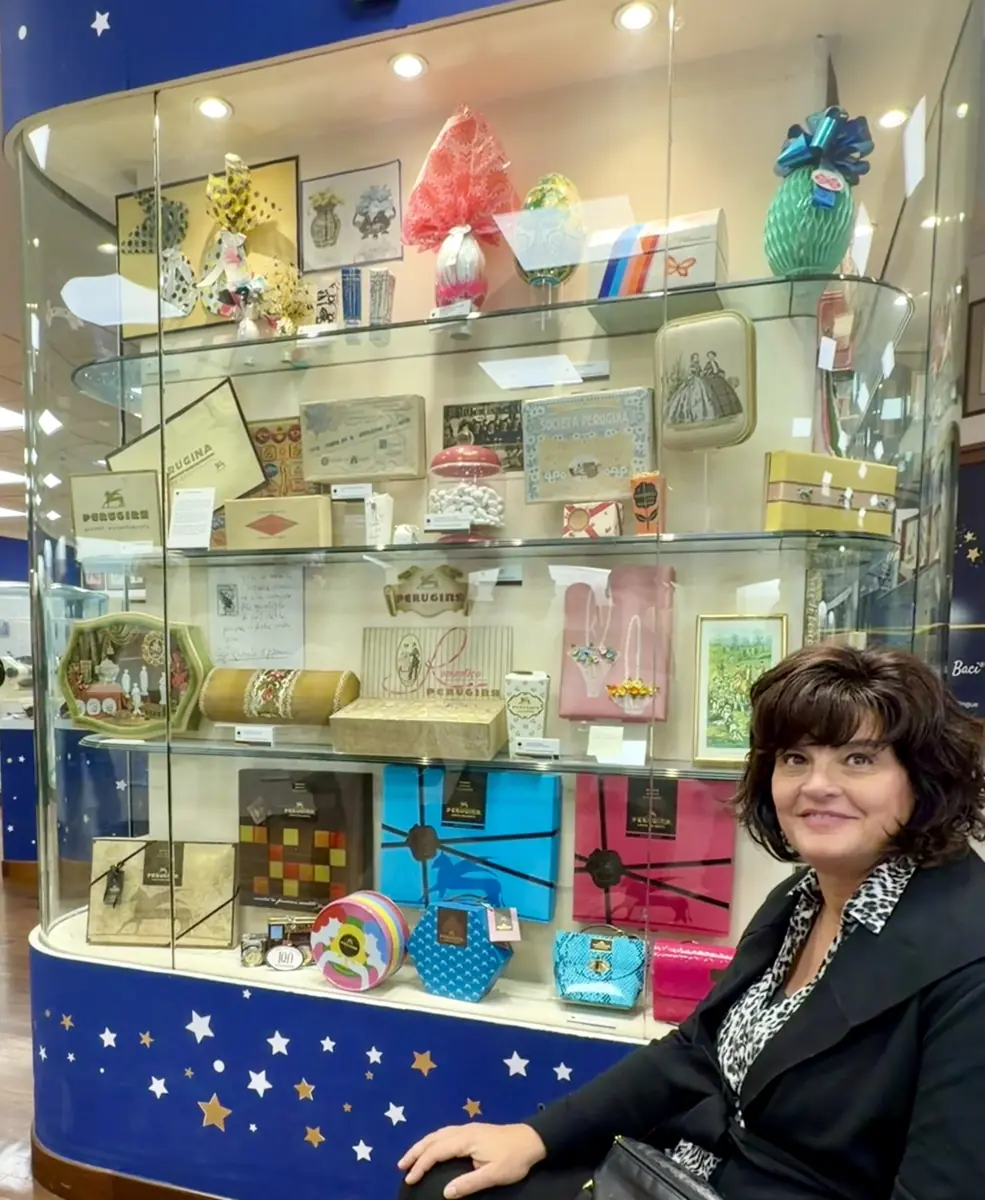
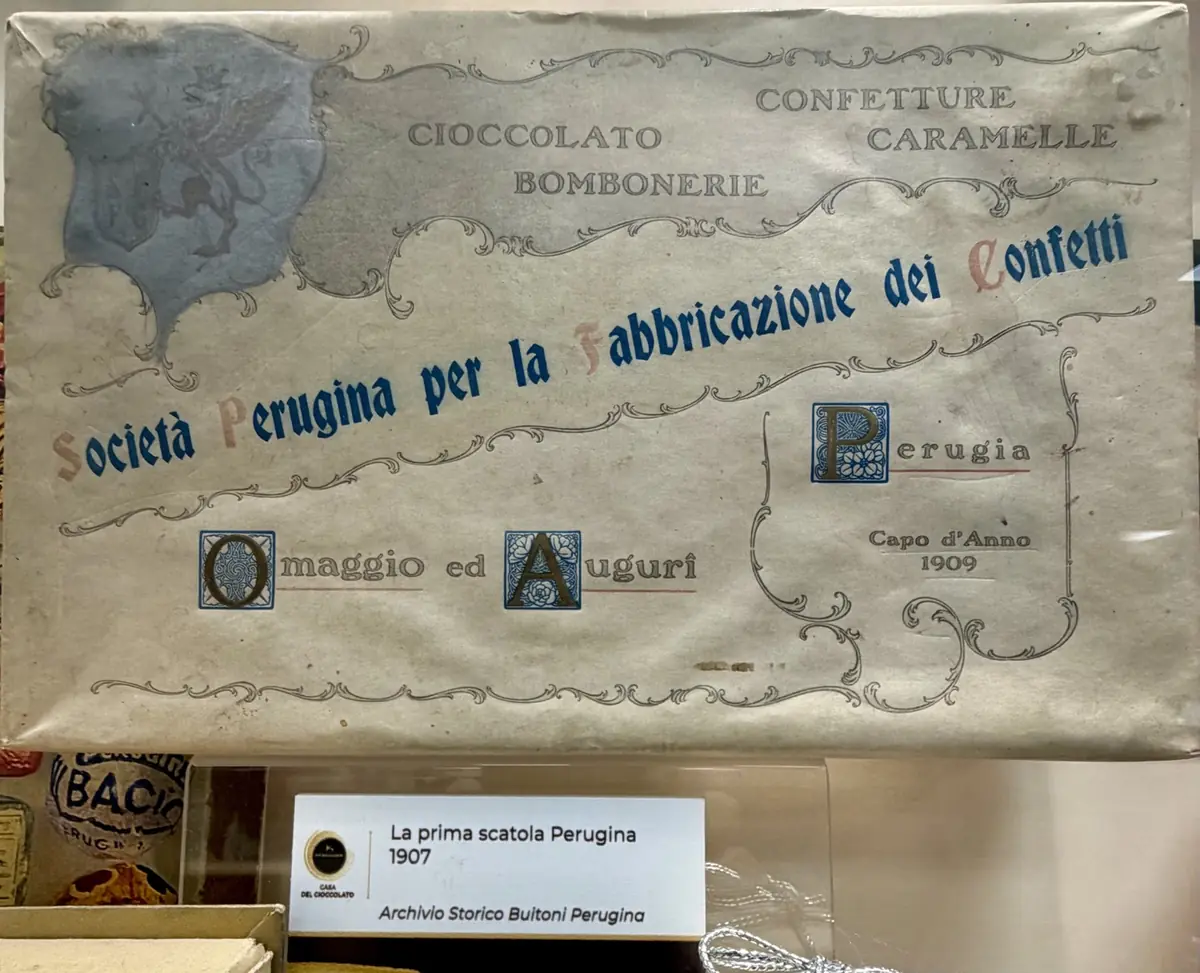
Of all the stories we heard, the one that struck me was that of Luisa Spagnoli and the birth of the Bacio. In 1922 she had the idea of using the chopped hazelnuts left over from other production to create a new chocolate, with a whole hazelnut on top and a dark chocolate coating.
Because its shape looked like a clenched fist, it was first called “Cazzotto” (punch). It was Giovanni Buitoni who suggested a sweeter name: “Bacio” (kiss).
A love story also blossomed between Luisa and Giovanni, alongside their working relationship.
And yes, she is the Luisa Spagnoli of fashion: her angora wool creations gave rise to the business that would become the famous clothing brand. An enterprising woman, ahead of her time, who also looked after her female workers and had a nursery built in the factory for their children.
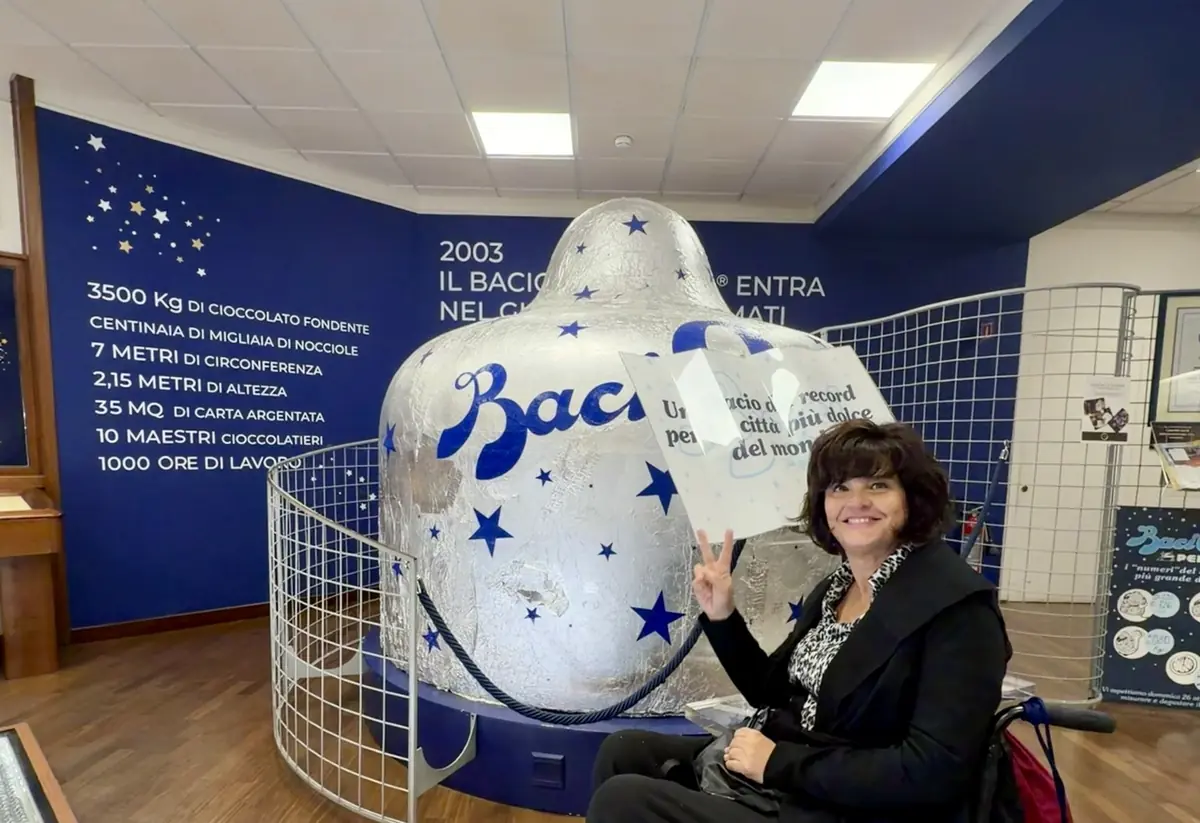
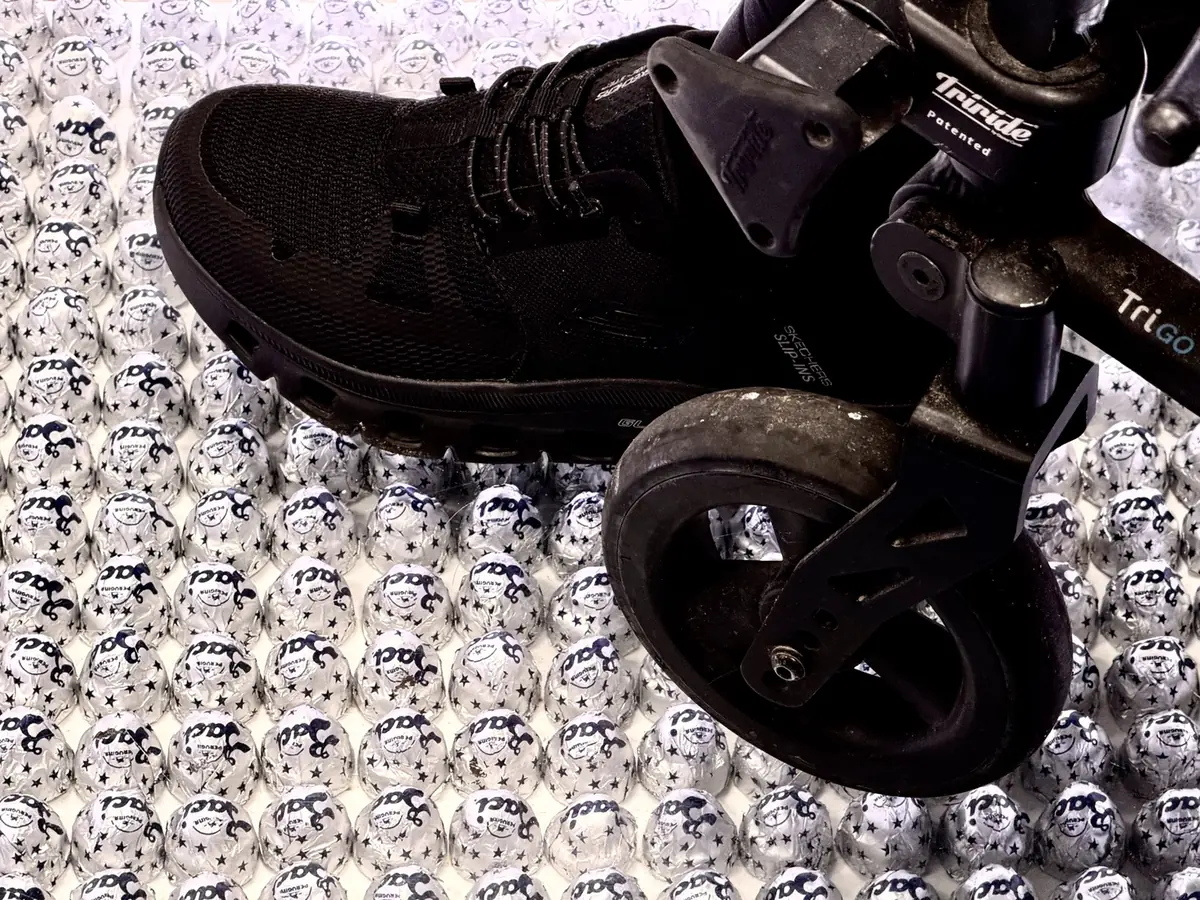
The tasting and the factory tour
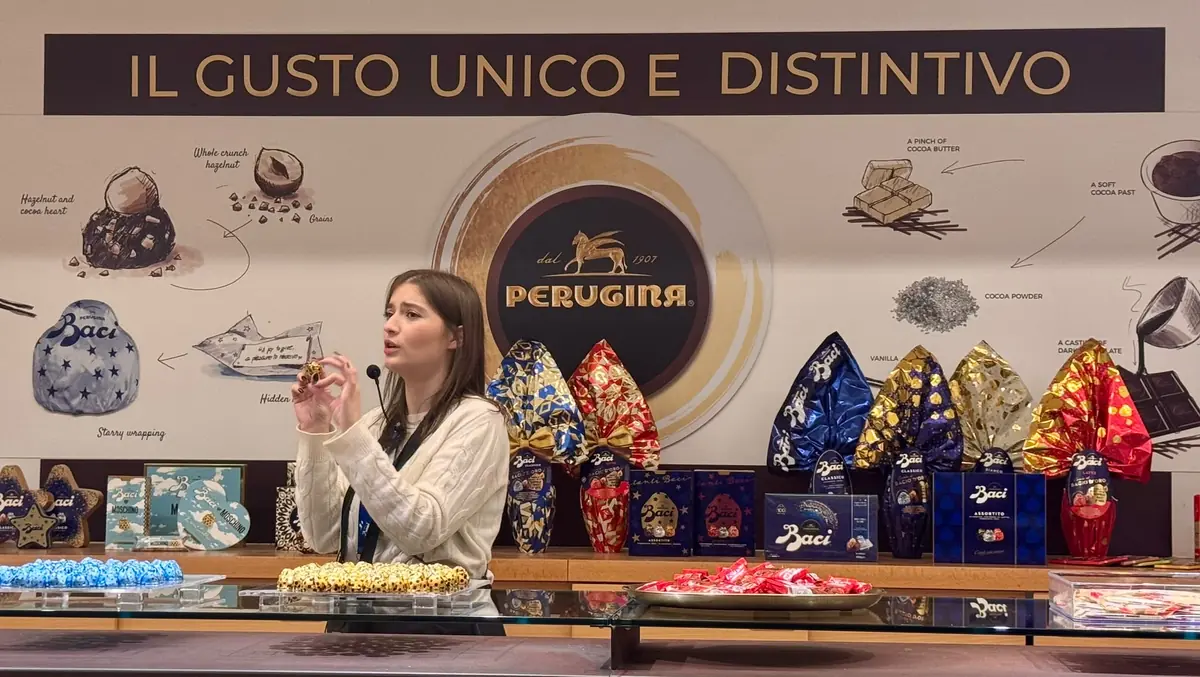
The visit went on with a chocolate tasting and then into the factory.
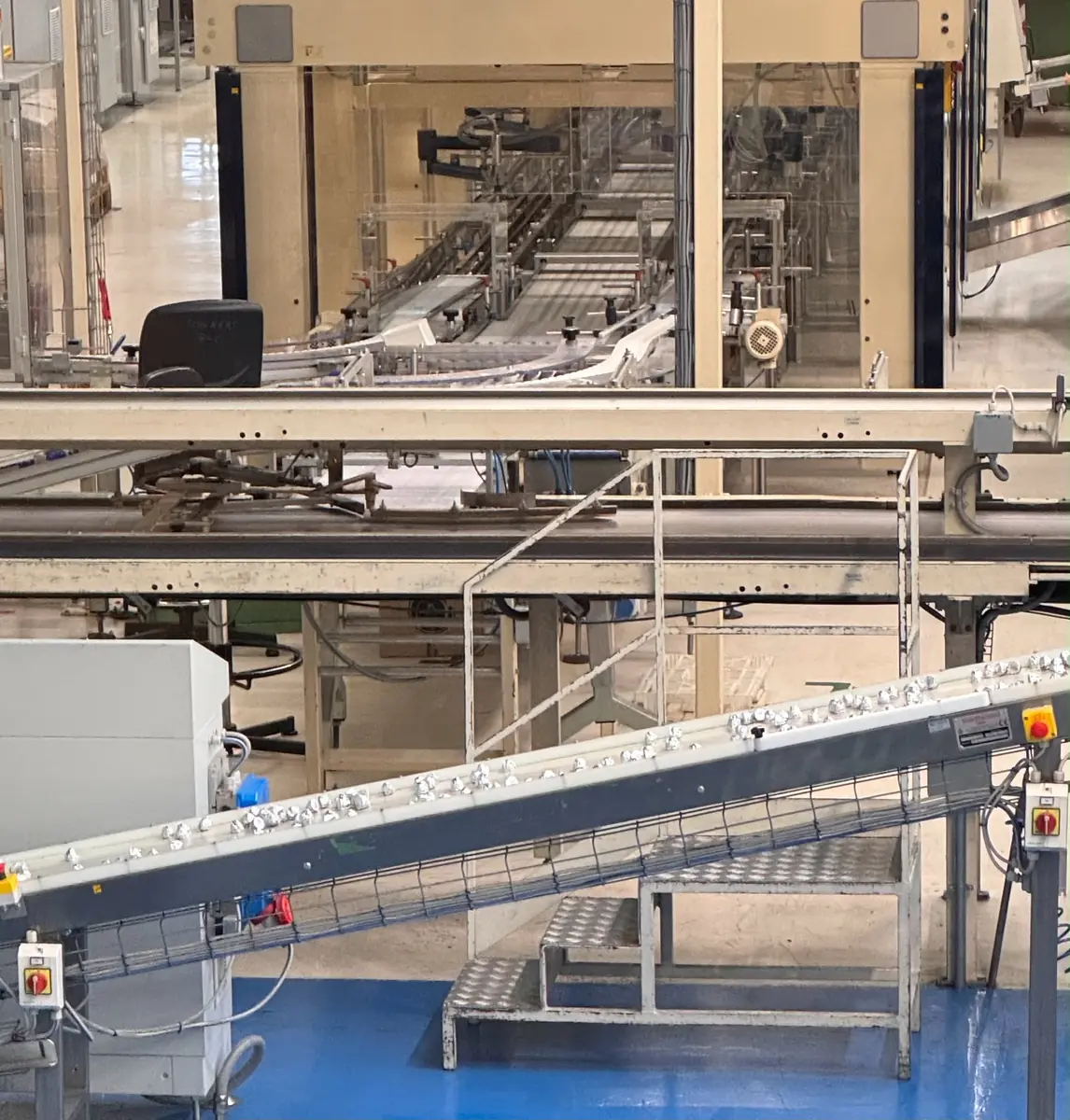
In my wheelchair I reached a gallery overlooking part of the production lines. Even though the factory route is not fully accessible, from there I was able to see some stages of production and I was happy with the visit.
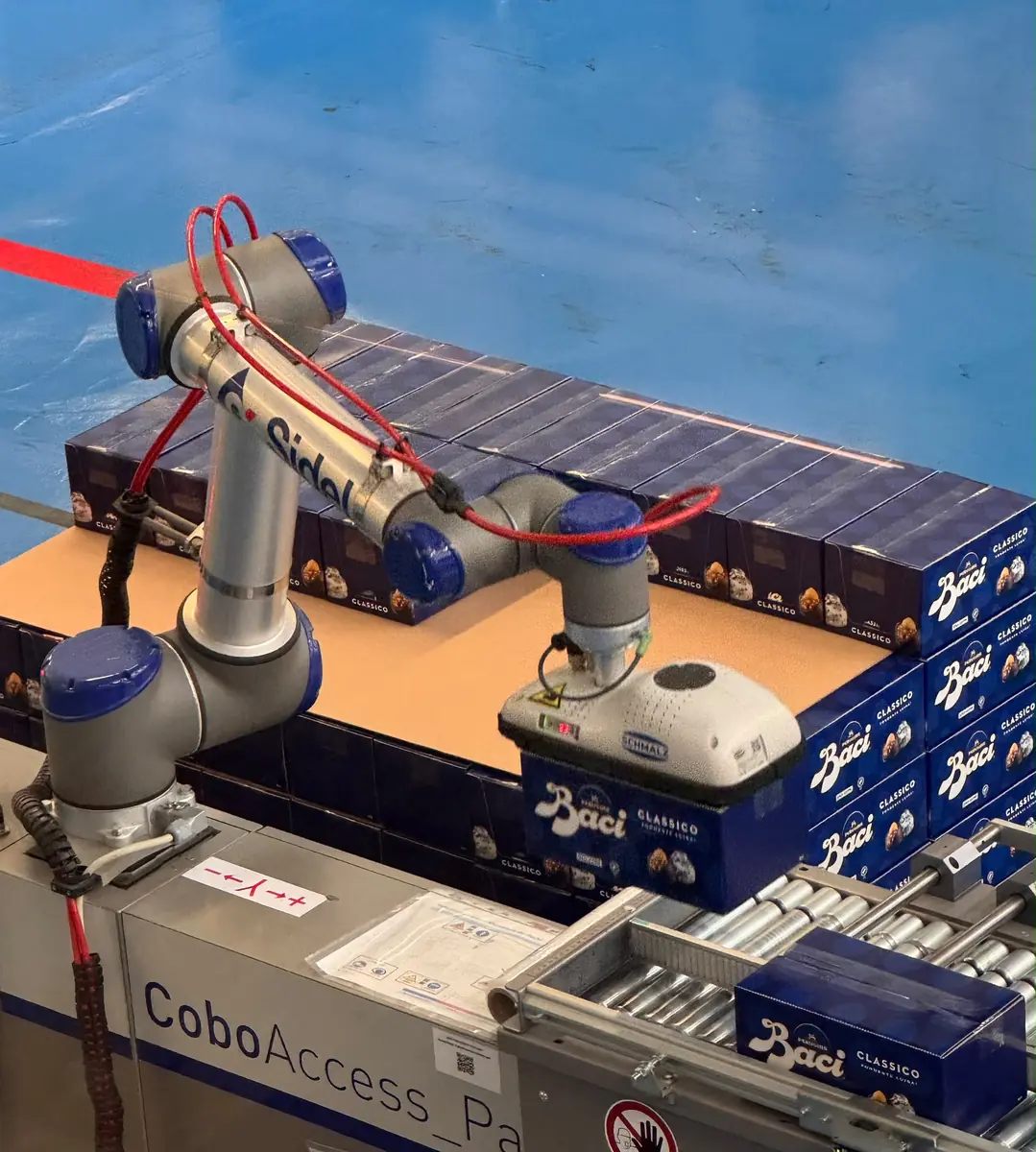
Before leaving we stopped at the shop for a few purchases: a bit of chocolate to take home was a must!
Accessibility · The Casa del Cioccolato Perugina
We found parking bays reserved for disabled people right next to the entrance. I also used the accessible toilet myself.
The visit is possible as far as the gallery overlooking part of the factory lines.
Good to know before you go
The raised walkway over the production lines is not accessible to people with reduced mobility or who use mobility aids, such as wheelchairs or crutches.
If anyone in your group uses mobility aids, this should be mentioned when booking, so that suitable assistance can be provided during the visit.
Parking and arriving in the centre
Around 12:15 we moved on towards the old town and left the car at the SABA Mercato Coperto car park, in Via Angusta.
From there we took the lifts up to Piazza Matteotti to start our walk.
Accessibility · From the car park to the centre
The car park is paid and has bays reserved for disabled people. The lifts let you reach the centre without taking the stairs; once outside we came across a few slopes and a small difference in level.
I saw the accessibility symbol near the toilets, but I didn’t use them and didn’t check the space inside.
Lunch at Trattoria Oberdan
We had booked a table at Trattoria Oberdan, at Via Guglielmo Oberdan 35/37.
We tried the strangozzi alla Norcina originaria with truffle (strangozzi are a local hand-rolled pasta), made with ricotta cream, sausage and porcini mushrooms, and the trippa alla Perugina (Perugia-style tripe), served with the traditional torta al testo, a flatbread baked on a griddle.
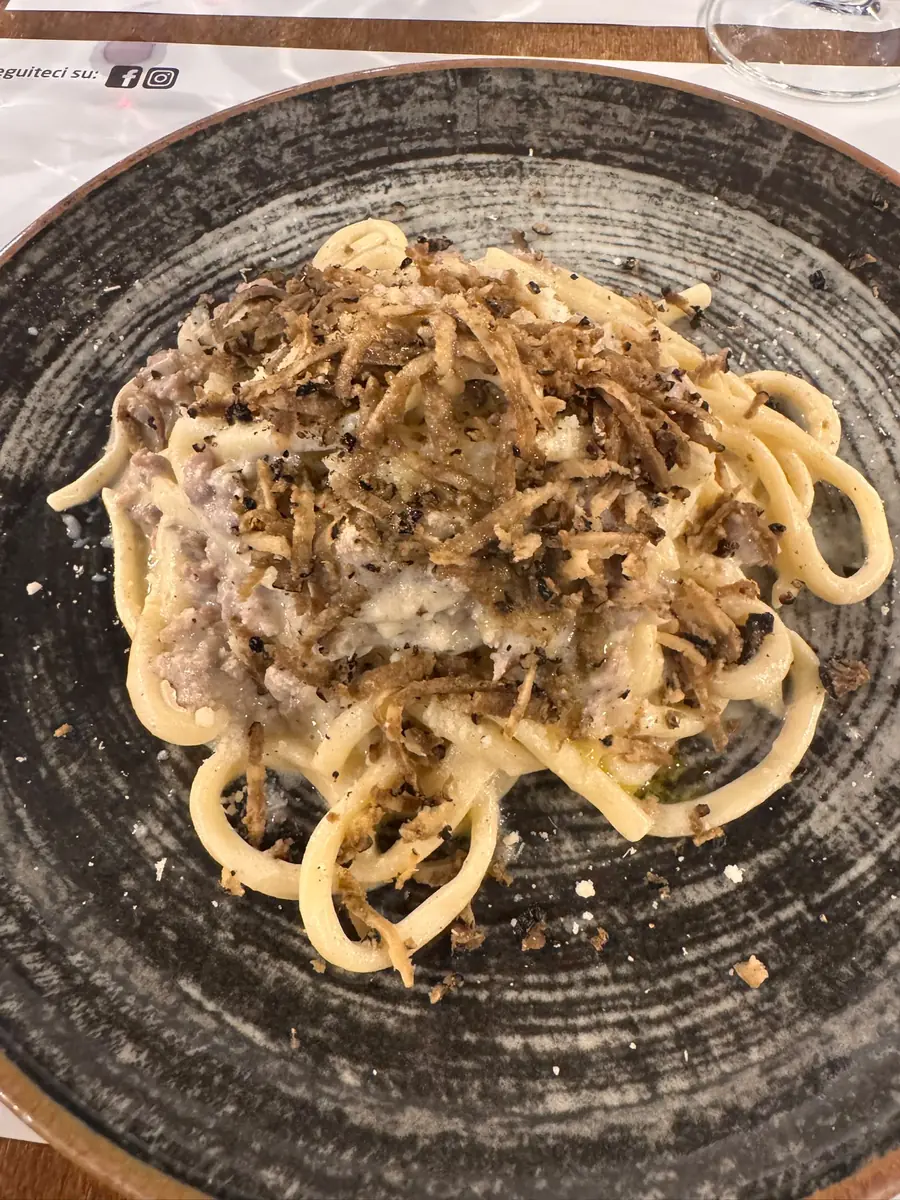
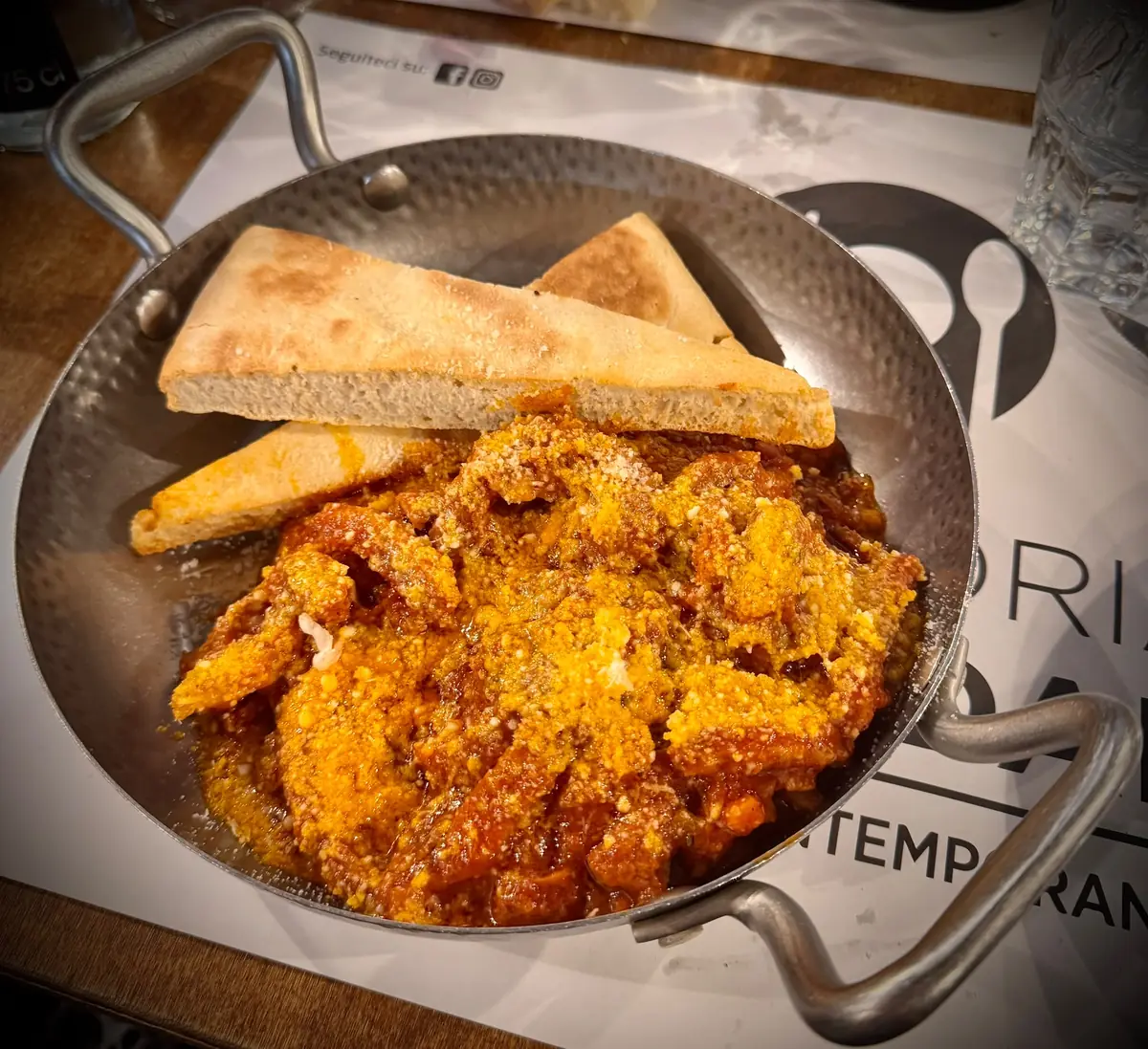
We loved the lunch. We even complimented the chef: after the scarpetta, our plates were so clean they looked as if they had already been washed!
Good to know before you go
There is a step at the entrance. We unhooked the Triride and I went in with my wheelchair, helped by my companion.
Accessibility · Trattoria Oberdan
The restaurant has an accessible toilet, which I used myself.
Corso Vannucci and Piazza IV Novembre
After lunch we went along Corso Vannucci, the main street of the old town, all the way to Piazza IV Novembre.
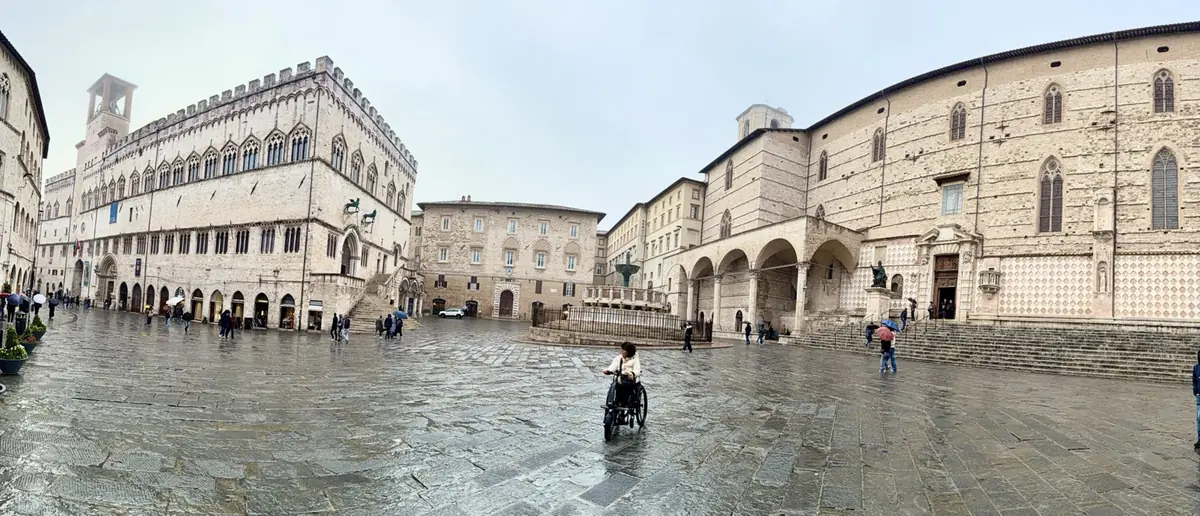
This is where you find some of Perugia’s most representative sights: the Fontana Maggiore, Palazzo dei Priori and the Cathedral of San Lorenzo.
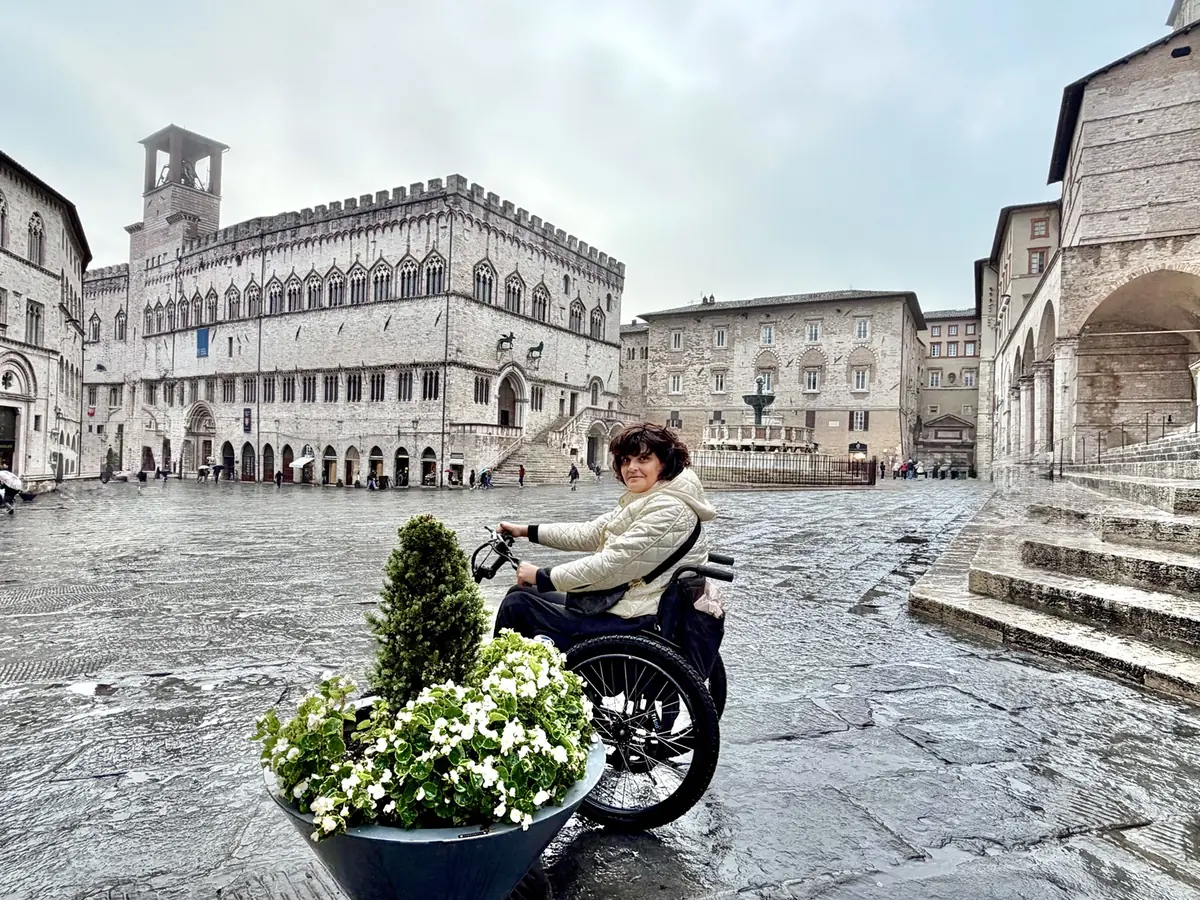
The fountain stands in the middle of the square, while the buildings around it tell the religious and civic history of the city. We stopped to look around before starting our afternoon visits.
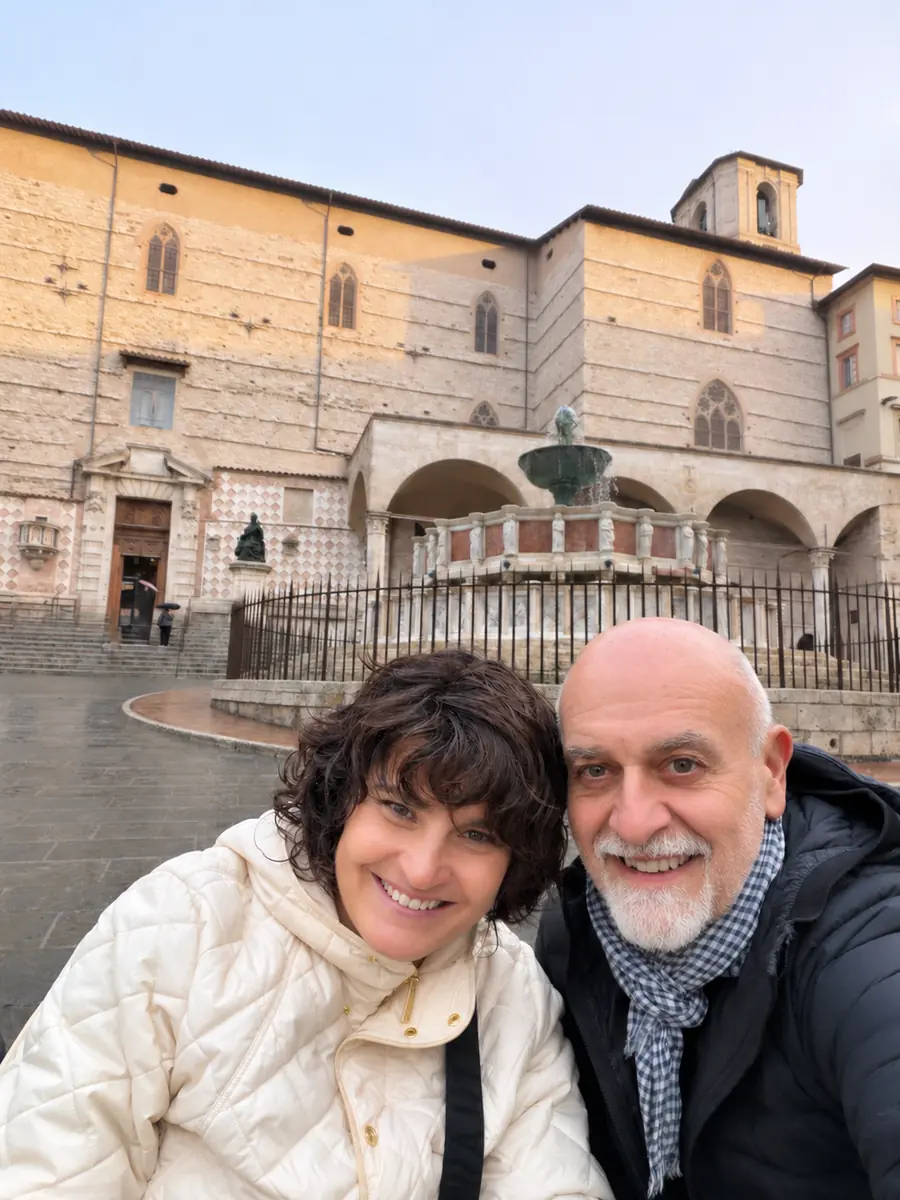
The Cathedral of San Lorenzo
We visited the Cathedral of San Lorenzo, going in through the cloister to the left of the main entrance.
Inside we admired Federico Barocci’s Deposition from the Cross, in the Chapel of San Bernardino. The painting shows the moment when Christ is lowered from the cross: the gestures of the figures and the colours make the scene especially intense.
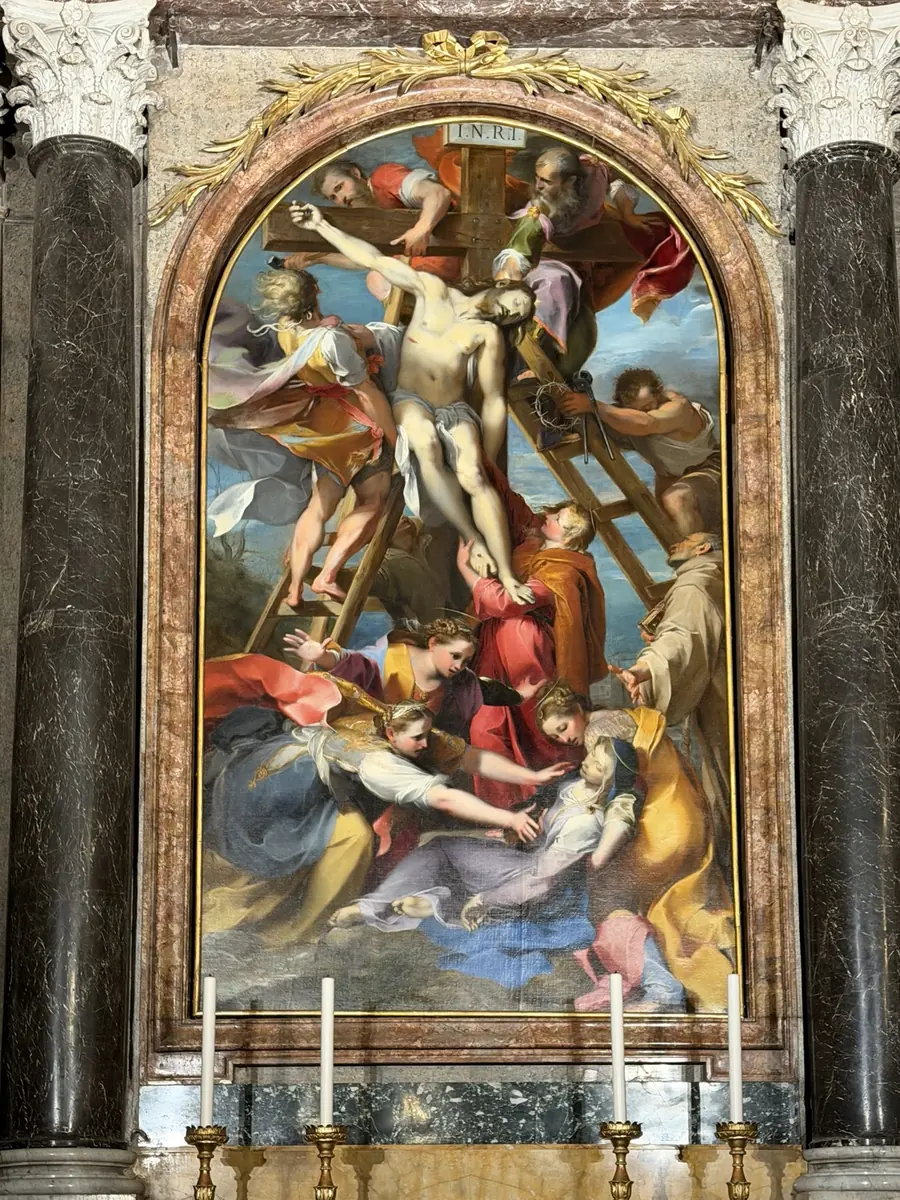
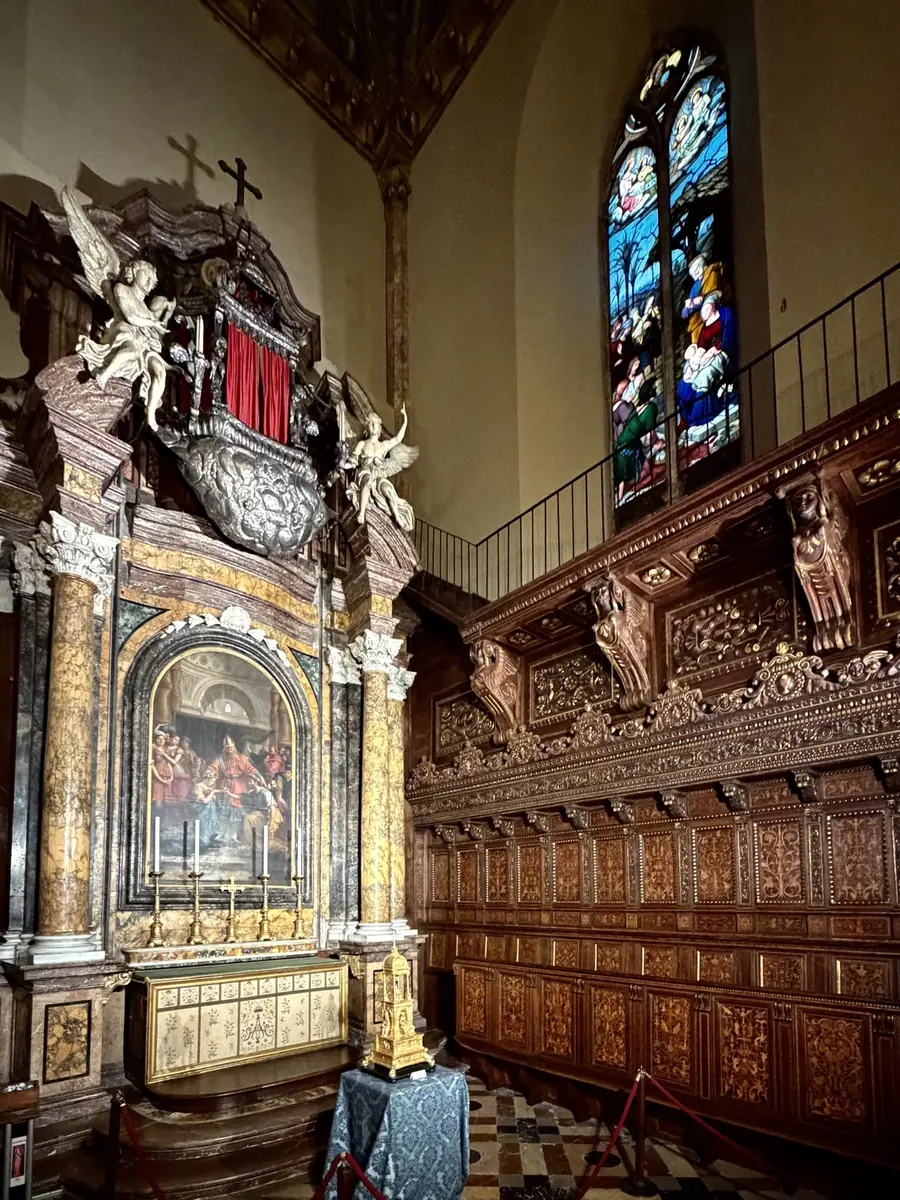
We also saw the Chapel of the Holy Ring, which holds what, according to tradition, is the Virgin Mary’s wedding ring.
We also stopped at the Madonna delle Grazie, known as the Mater Gratiae, an image very dear to the people of Perugia. The painting, dated to around 1515 and attributed by some scholars to Perugino and by others to his pupil Giannicola di Paolo, shows Mary standing, expecting Jesus, with her hands turned towards the viewer in a gesture of welcome and protection. It hangs on a pillar of the nave, enclosed in a wooden tabernacle from 1855.
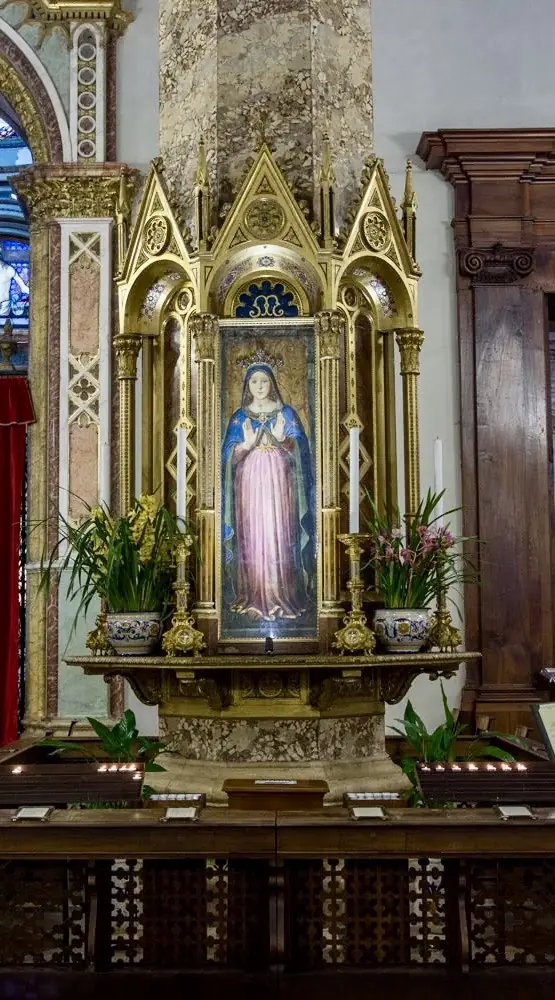
Accessibility · Getting into the cathedral
We used the entrance from the cloister, to the left of the main entrance. I was able to go in with the Triride attached.
Palazzo dei Priori
We went on to visit Palazzo dei Priori, one of the symbols of Perugia, overlooking Piazza IV Novembre and Corso Vannucci.
Inside we discovered the Sala dei Notari, a stop we hadn’t planned and which turned out to be a lovely surprise.
It is a large medieval hall, divided by eight imposing arches and decorated with frescoes telling Bible stories and fables, among coats of arms and ornamental patterns. Built to host the city’s assemblies, it takes its name from the notaries who later used it as the seat of their guild.
We stopped to look at the painted walls and the structure of the hall: a truly evocative space.
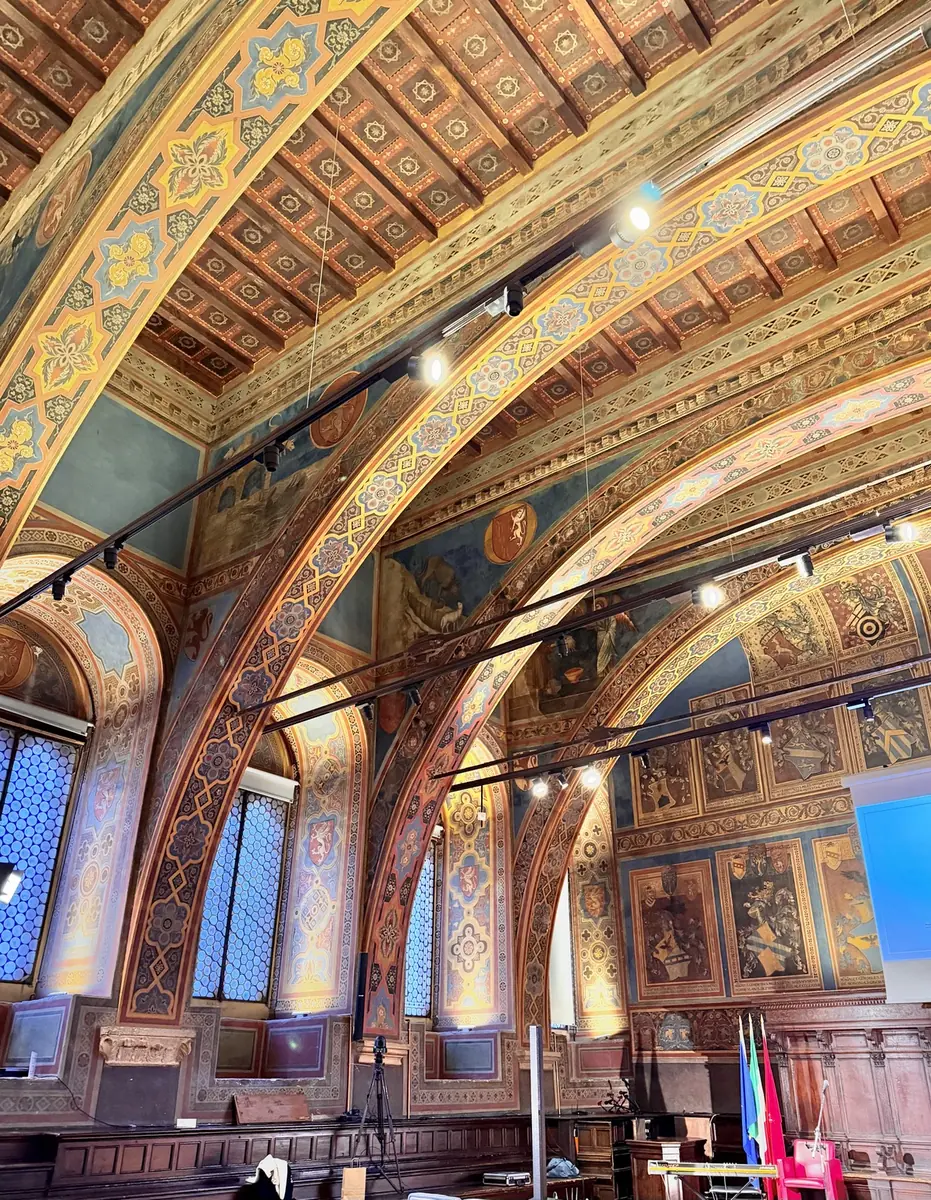
Accessibility · The Sala dei Notari
We reached the hall on the first floor using the lift in Palazzo dei Priori.
The Galleria Nazionale dell’Umbria
Also in Palazzo dei Priori, we visited the Galleria Nazionale dell’Umbria, Umbria’s national art gallery.
The museum holds one of the most important art collections in the region: paintings, sculptures and precious objects tell around eight centuries of history, from the Middle Ages to the present day. The heart of the collection is Umbrian Renaissance painting, with masterpieces by Perugino and Pinturicchio, alongside works by masters such as Piero della Francesca and Fra Angelico. The rooms let you discover the bond between art, Perugia and the surrounding land.
We lingered over Piero della Francesca’s Polyptych of Saint Anthony, made up of several painted panels. At the top stands the Annunciation, with a long colonnade that creates a striking sense of depth.
We then admired the works of Perugino, recognisable by the gentle expressions of his figures, his luminous landscapes and the harmony of his compositions, and those of Pinturicchio, full of bright colours and decorative details. Two leading figures of the Umbrian Renaissance, each with his own way of telling sacred stories.
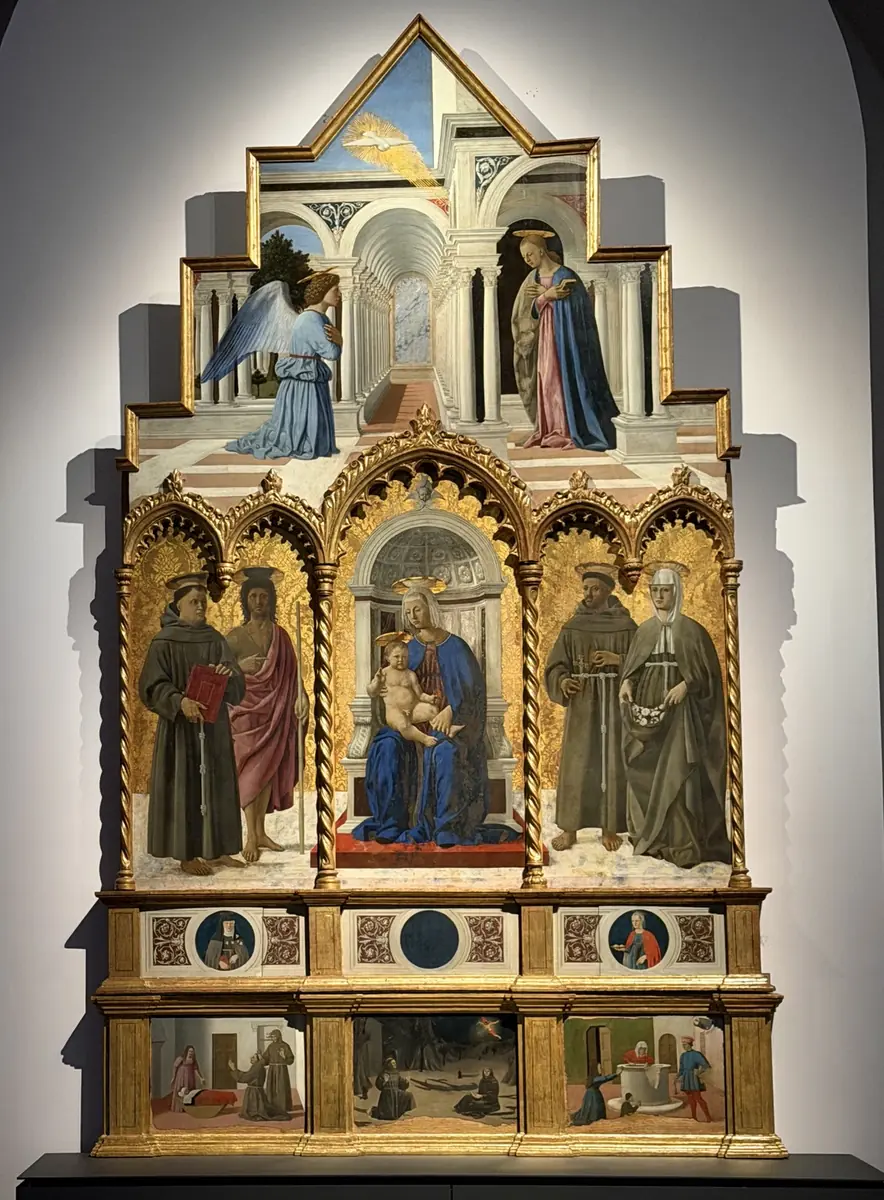
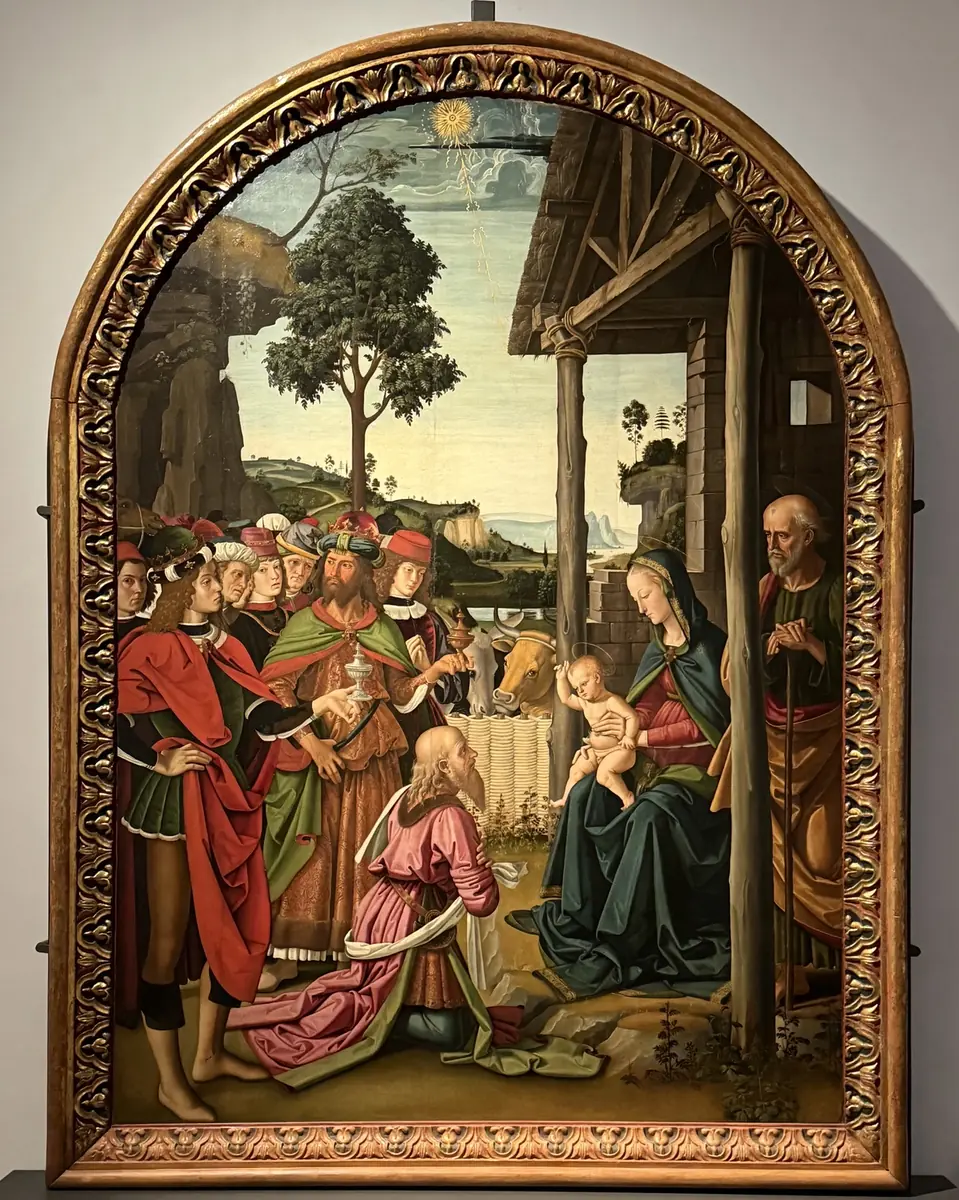
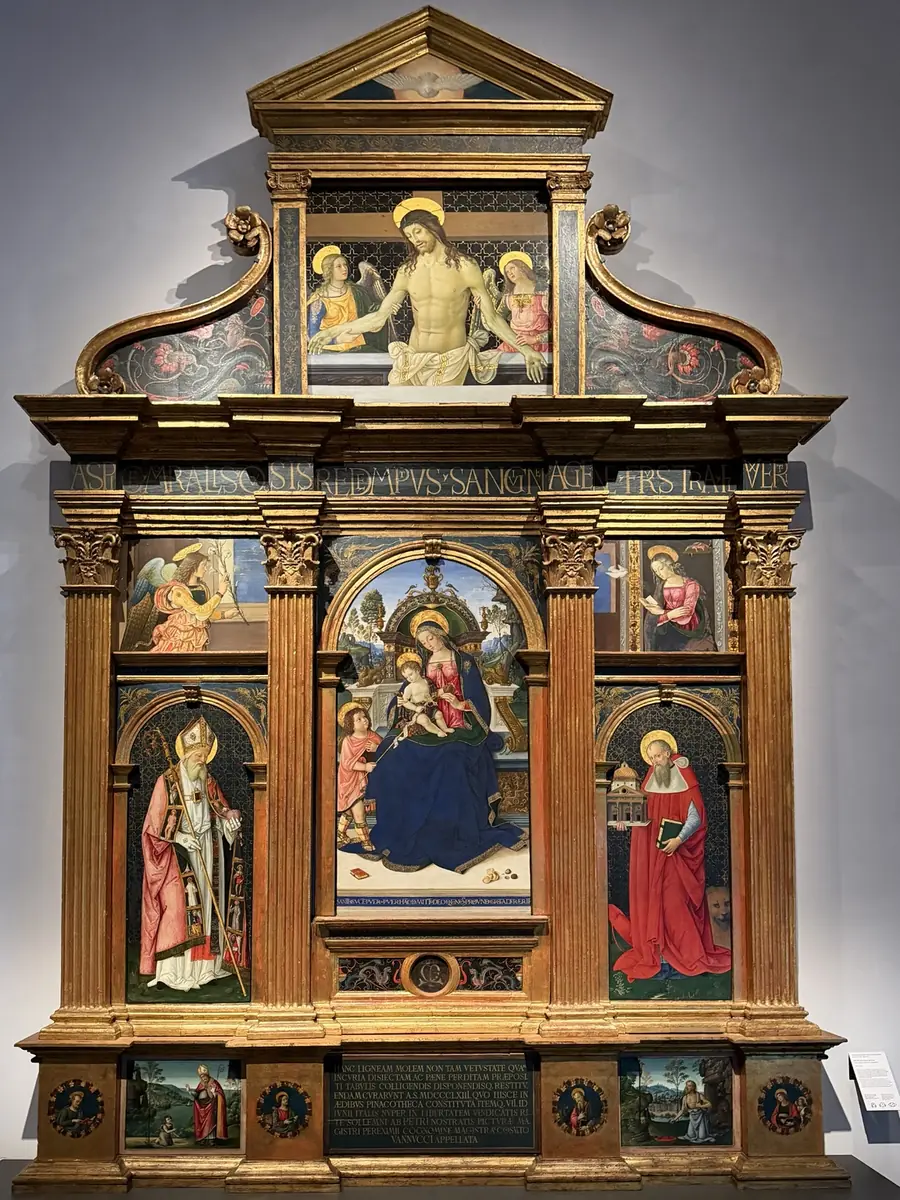
The route also took us into the Cappella dei Priori and the Sala Farnesiana, a large reception hall with decorations recalling the Farnese family and Pope Paul III.
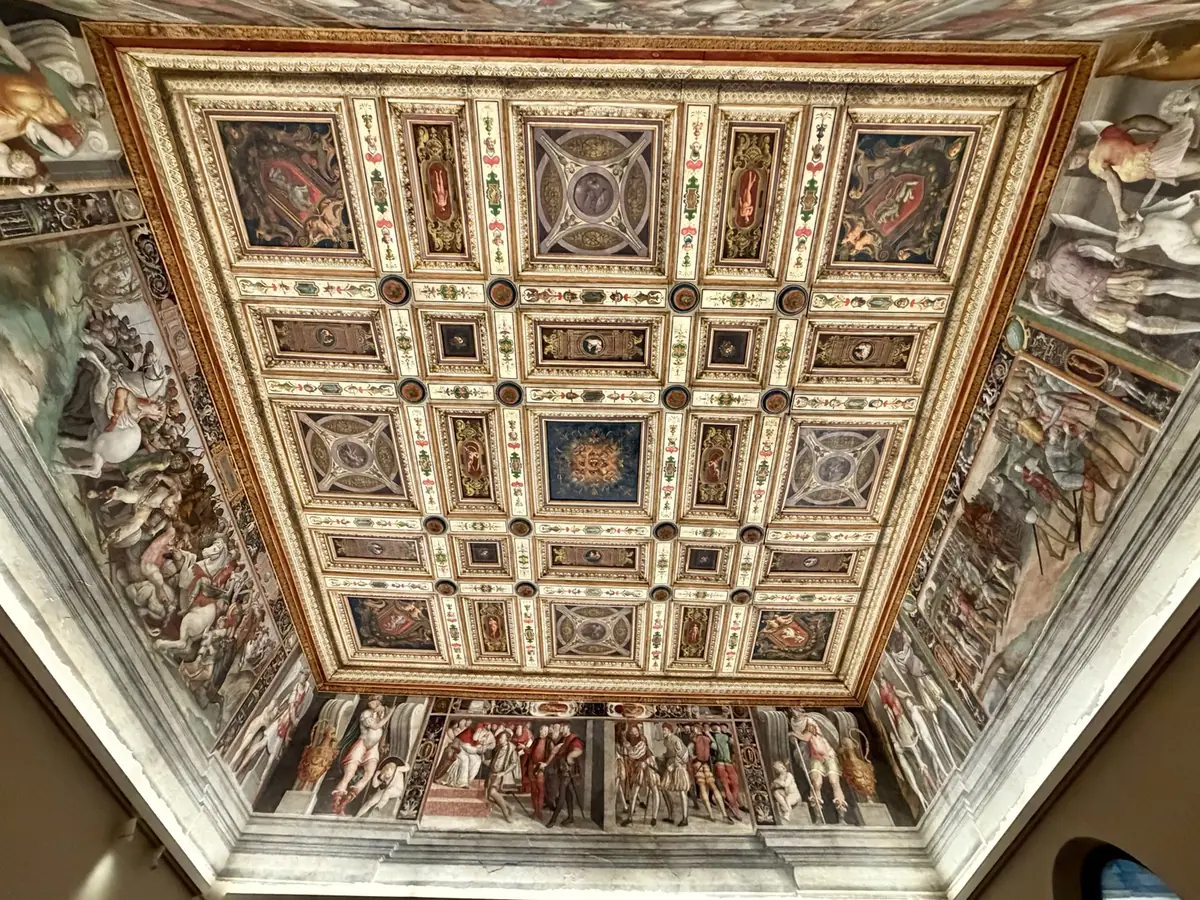
Among paintings and historic rooms, time flew by. A visit we really enjoyed.
Accessibility · The Galleria Nazionale dell’Umbria
The route is on two floors connected by lifts.
Good to know before you go
During our visit I was asked to leave the Triride at the entrance. We put it in the ticket office room and I carried on with just my wheelchair.
Shopping before heading home
Before going back to the car park we stopped to buy truffle sauce, strangozzi, local cured meats and other Umbrian specialities.
Once again, we managed to take home a few flavours of the day.
We reached the car park and set off home, after a lovely day out among chocolate, Umbrian cooking and visits in the old town.
My “no surprises” summary
The things to remember, gathered here so they are easy to find.
| Item | Rating | Good to know |
|---|---|---|
| Accessibility of the Casa del Cioccolato Perugina | 4 out of 5 | The factory route is not fully accessible, but from the gallery I could watch some stages of production and I was happy with the visit. |
| Parking and getting to the old town | 5 out of 5 | SABA Mercato Coperto car park, paid, with reserved bays and lifts up to Piazza Matteotti. Outside we came across a few slopes and a small difference in level. |
| Accessibility of Trattoria Oberdan | 4 out of 5 | A step at the entrance; we unhooked the Triride and I went in with my companion’s help. |
| Trattoria Oberdan toilet | 4 out of 5 | Accessible toilet, which I used myself. |
| Access to the Cathedral of San Lorenzo | 5 out of 5 | Entrance from the cloister, to the left of the main entrance, with the Triride still attached. |
| Access to the Sala dei Notari | 5 out of 5 | Reached with the lift in Palazzo dei Priori. |
| Accessibility of the Galleria Nazionale dell’Umbria | 5 out of 5 | Two floors connected by lifts. During our visit we were asked to leave the Triride in the ticket office room and carry on with just the wheelchair. |
| Umbrian specialities at Trattoria Oberdan | 5 out of 5 | Strangozzi alla Norcina originaria with truffle, and trippa alla Perugina served with the traditional torta al testo. |
Things to remember
- Casa del Cioccolato Perugina: at Viale San Sisto 207/C; parking bays reserved for disabled people right next to the entrance.
- Factory tour: in a wheelchair you can reach the gallery overlooking part of the production lines, from where I could see some stages of production and was happy with the visit. The raised walkway over the lines is not accessible to people with reduced mobility or who use mobility aids, such as wheelchairs or crutches.
- Booking at Perugina: mention anyone who uses mobility aids, so that suitable assistance can be provided during the visit.
- SABA Mercato Coperto car park: in Via Angusta, paid, with reserved bays and lifts up to Piazza Matteotti. Outside we came across a few slopes and a small difference in level.
- Car park toilets: marked with the accessibility symbol, but not used or checked personally.
- Trattoria Oberdan: a step at the entrance; we unhooked the Triride and I went in with my companion’s help.
- Cathedral of San Lorenzo: we used the entrance from the cloister, to the left of the main entrance, keeping the Triride attached.
- Sala dei Notari: reached with the lift in Palazzo dei Priori.
- Galleria Nazionale dell’Umbria: two floors connected by lifts. During our visit we were asked to leave the Triride in the ticket office room and carry on with just the wheelchair.
- Accessible toilets I used myself: Casa del Cioccolato Perugina and Trattoria Oberdan.
Toilets we found
- Casa del Cioccolato Perugina Accessible toilet, which I used myself.
- Trattoria Oberdan Accessible toilet, which I used myself.
- SABA Mercato Coperto car park Toilets marked with the accessibility symbol, but not used or checked personally.
Overall experience
5 hearts out of 5This story describes our experience with a wheelchair and Triride and the personal checks described in it. Services, access and parking conditions can change: when planning your visit, check the latest information for each place.